A workflow taught by Adobe Certified Instructors at Adobe Video World.
The teleport effect makes a person vanish from one spot and appear in another, a sci-fi staple that’s achievable with a clean plate and some compositing flair. Built on the invisibility trick plus particles and distortion, it’s a satisfying effect to master. This guide covers creating a convincing teleportation effect in After Effects.
How Teleportation Works
The teleport effect combines a vanish at one location with an appearance at another. Like the invisibility effect, it relies on a clean plate to make the person disappear, then reverses the process to make them materialize elsewhere.
The core is the same clean-plate compositing, dressed up with effects at the moment of transport. Filming the person present, then absent, lets you blend between them, while particles and distortion at the transition sell the supernatural teleportation.
Lock the Camera and Film
As with all such effects, a static camera is essential. Mount it on a tripod and film a clean plate of the empty scene, then film the person standing where they’ll teleport from, and separately where they’ll appear.
Keeping the camera and lighting locked across all takes ensures the composites align. With a clean plate and footage of the person in both the start and end positions, you have everything needed to build the vanish and the reappearance.
Make the Person Vanish
Use the clean plate to erase the person at the start position. Masking the empty background over them, animated to reveal the empty scene, makes them disappear, just like the invisibility effect.
Timing the vanish to happen quickly, often in a single frame or a fast transition, suits teleportation’s instant nature. The person blinks out of existence as the clean plate replaces them, the first half of the teleport.

Make the Person Appear
At the destination, reverse the process so the person materializes. Revealing the footage of them in the new position, transitioning from the empty clean plate, makes them appear out of nowhere, completing the teleport.
Syncing the appearance to the vanish — they disappear here as they appear there — creates the teleportation. The two composites, timed together, move the person instantly from one spot to another, the essence of the effect.

Add Particles at the Transition
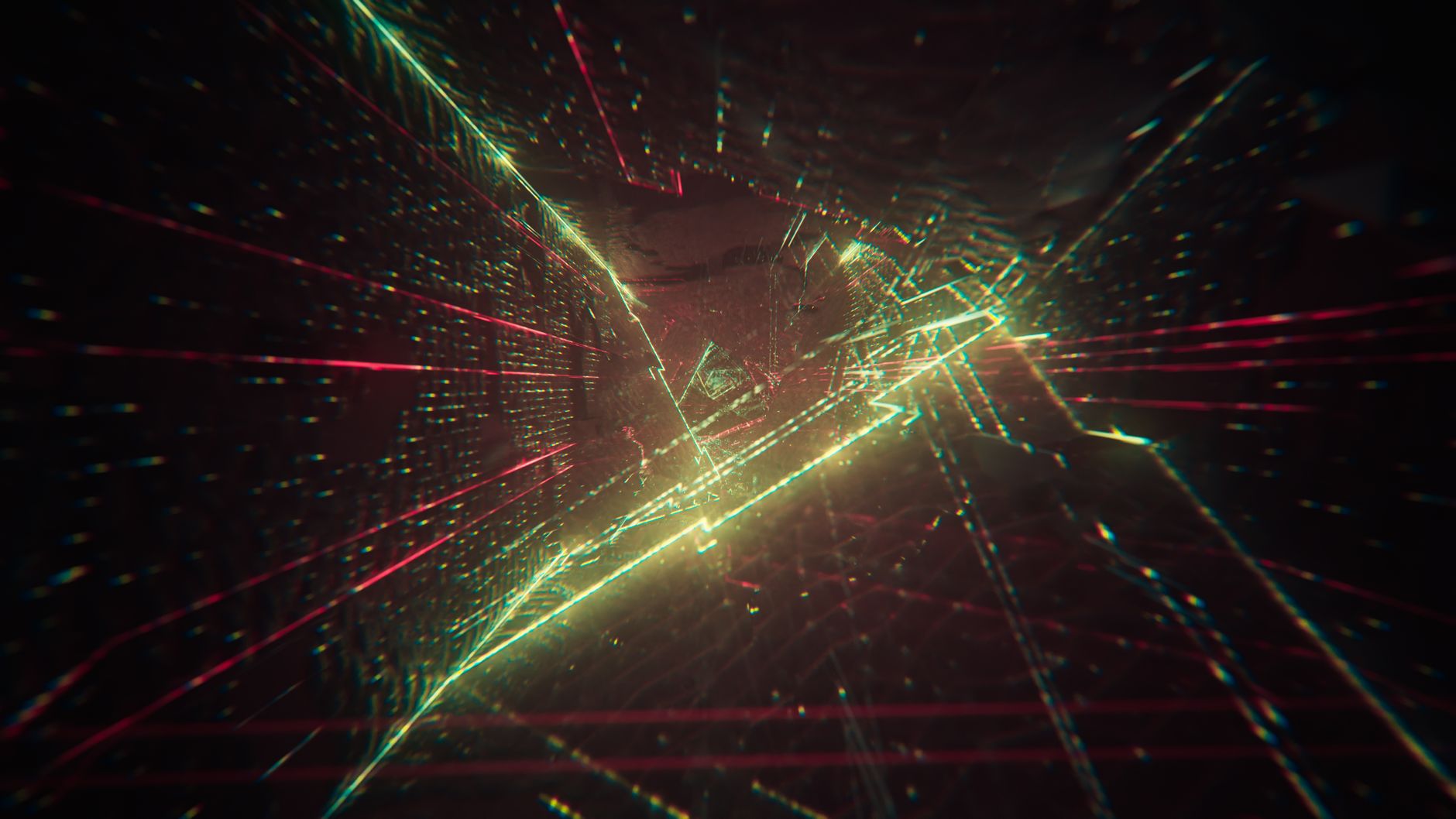
The supernatural look comes from effects at the moment of transport. Adding particles — sparkles, energy, or dissolving fragments — as the person vanishes and reappears makes the teleport feel like a real sci-fi event.
These particles bridge the vanish and the appearance, giving the transport a visible energy. A burst of glowing particles at both locations, timed to the disappearance and materialization, transforms a simple cut into a magical teleportation.
Add Distortion and Glow
More effects enhance the transition. A distortion ripple, a flash of light, or a glow at the moment of teleport adds energy and spectacle, making the effect feel powerful.
Layering a brief distortion as the person dematerializes, a bright flash, and a glow gives the teleport visual punch. These embellishments, kept quick and impactful, turn the basic composite into a dramatic, convincing transport effect.
Choose Your Teleport Style
Teleportation can look many ways — a clean dissolve, a particle scatter, an energy beam, or a glitchy digital transport. Choosing a style and building the effects around it gives your teleport a consistent, intentional look.
A particle dissolve feels mystical, while a glitchy distortion feels technological, so the style shapes the meaning. Deciding on the look you want, then crafting the particles, distortion, and timing to match, makes the teleport feel like a deliberate part of your story’s world.
Add Sound Design
Sound completes the teleport. A whoosh, an energy zap, or a sci-fi transport sound synced to the vanish and appearance reinforces the effect, since the audio is half of what sells a supernatural event.
The right sound makes the teleport feel powerful and real, just as it does for any effect. Syncing impactful audio to the transition, using our sound design techniques, gives the teleportation the sonic punch that completes the illusion.
Teleport Effect Best Practices
- Lock the camera and film a clean plate plus both positions.
- Vanish the person with the clean plate, then materialize them.
- Add particles, distortion, and glow at the transition.
- Choose a consistent style and sync sound design.
Common Teleport Mistakes
- Camera or lighting changes that break the composites.
- A vanish and appearance that aren’t timed together.
- No particles or effects, leaving it a plain cut.
- Forgetting the sound that sells the transport.
A Real Teleport Example
Picture a person teleporting across a room. You lock the camera, film the empty room as a clean plate, then film the person standing on the left and again on the right. Masking the clean plate, you make them vanish on the left in a single frame as a burst of glowing particles scatters where they stood, then materialize on the right as the particles reform.
A quick distortion ripple and a flash at both spots, synced to a sci-fi whoosh, ties it together. Because the locked camera kept the room identical across takes, the composites are invisible, and the person appears to blink instantly across the space — the full teleport built from clean plates, particles, and tight timing.
Teleport Variations and Style
Teleportation can take many visual forms to suit your story’s world. A particle dissolve feels mystical and magical, a vertical beam evokes classic sci-fi transport, a glitchy digital scatter suggests advanced technology, and a smoky vanish feels supernatural, each conveying a different kind of power.
Committing to one style and building the particles, distortion, and color around it makes the teleport feel intentional and consistent. Combined with the right sound design, a coherent teleport style becomes a signature element of your sci-fi or fantasy world rather than a generic disappear-reappear gag.
The same masking and tracking that sells a teleport also drives the portal effect in After Effects.
Sci-fi energy distortion ties teleport shots to creating a force field in After Effects.
Splitting a locked-off plate to duplicate a person is a close cousin of the After Effects clone effect.
Key Takeaways
- Teleportation vanishes a person and appears them elsewhere.
- Use a clean plate to erase and materialize the person.
- Add particles, distortion, and glow at the transition.
- Choose a style and sync impactful sound design.
Frequently Asked Questions
How do I create a teleport effect in After Effects?
Lock the camera and film a clean plate plus the person in both positions. Use the clean plate to vanish them at the start and materialize them at the destination, timed together, then add particles, distortion, glow, and sound at the transition.
How do I make a teleport look convincing?
Time the vanish and appearance together, add particles and a distortion or glow at the moment of transport, choose a consistent style (particle scatter, energy, or glitch), and sync impactful sound design to the transition.
What’s the difference between teleport and invisibility effects?
Both use a clean plate to make a person vanish. The teleport effect adds an appearance elsewhere, plus particles and distortion at the transition, so the person moves instantly between locations rather than simply disappearing.
Sources: Wikipedia’s overview of teleportation in fiction.
Beam them up at Adobe Video World
Train hands-on with Adobe Certified Instructors across 100+ Premiere Pro & After Effects sessions.