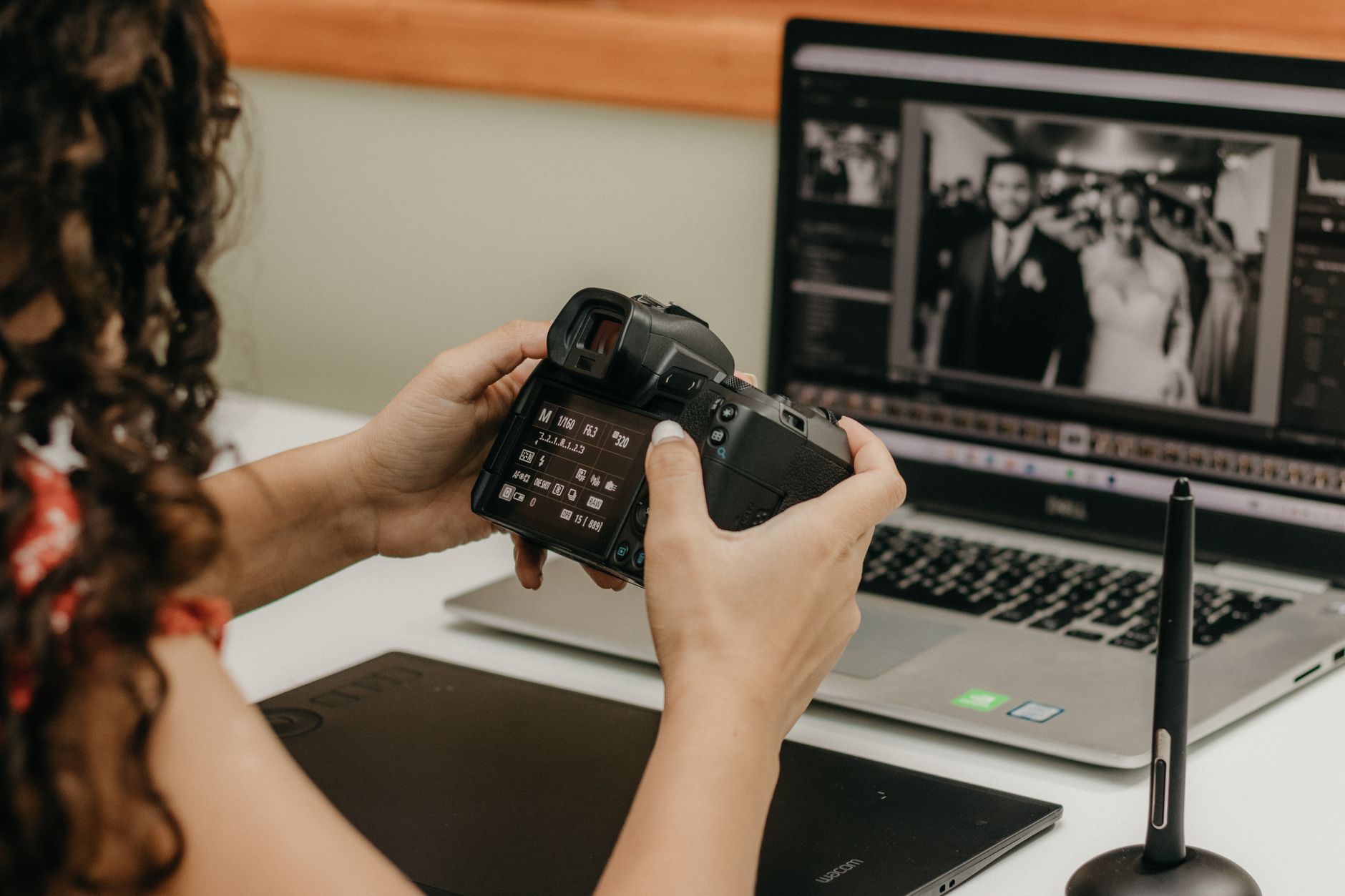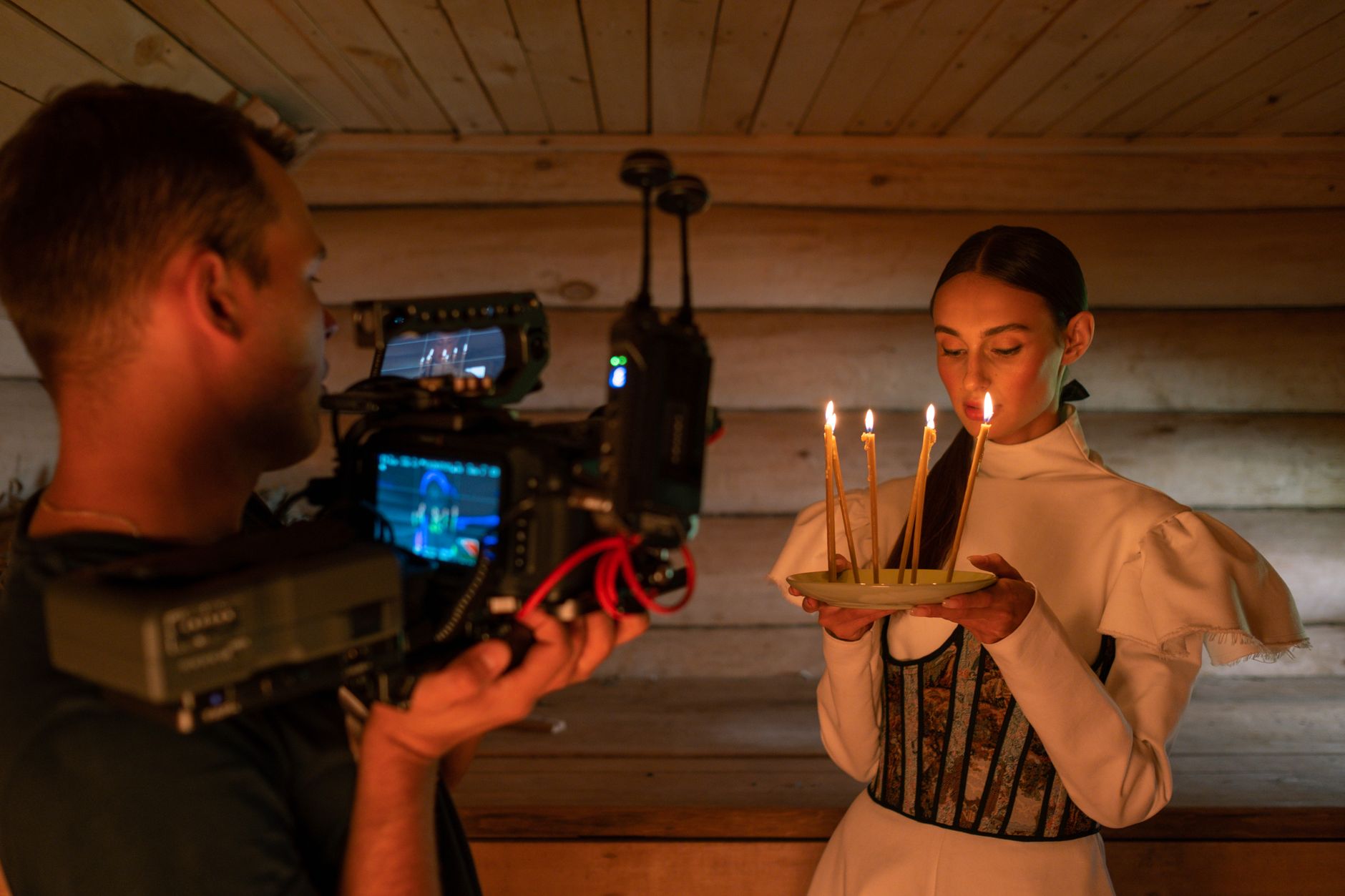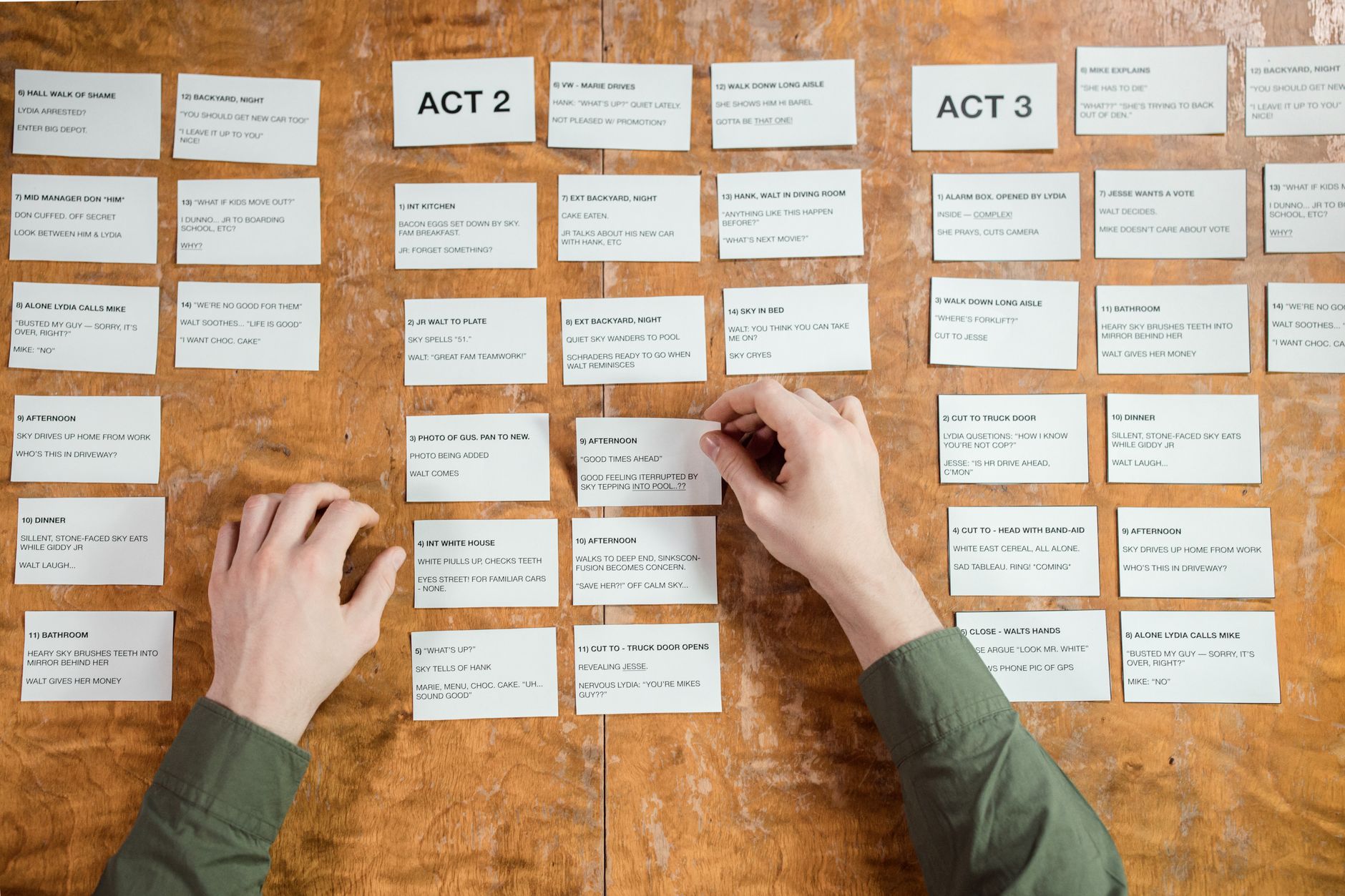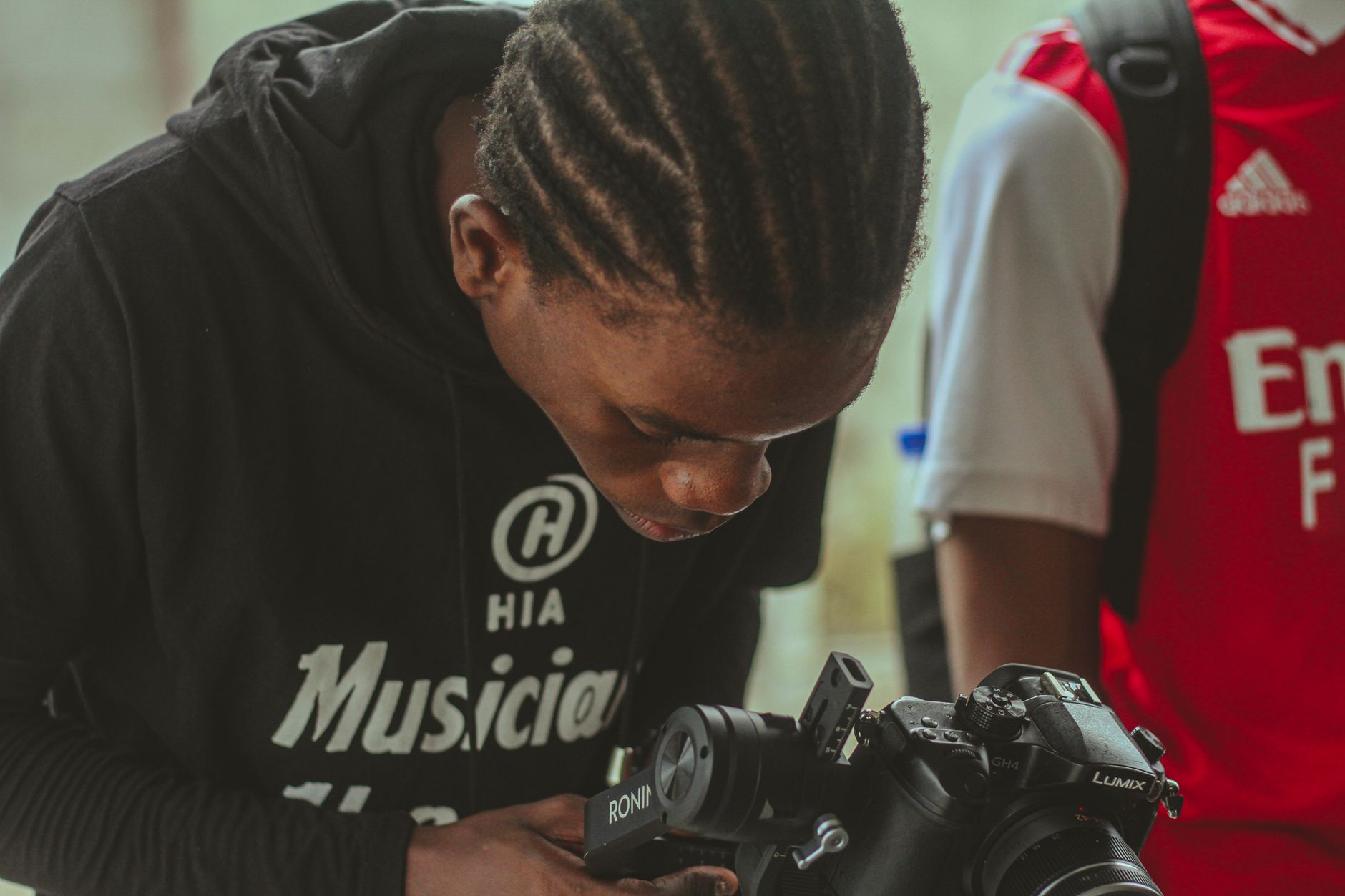
A workflow taught by Adobe Certified Instructors at Adobe Video World.
Becoming a better video editor is a journey of practice, study, and developing your eye. Whether you’re starting out or improving, the right approach accelerates your growth. This guide covers how to get better at video editing — the habits, practice, and learning that develop the skills and instincts of a great editor.
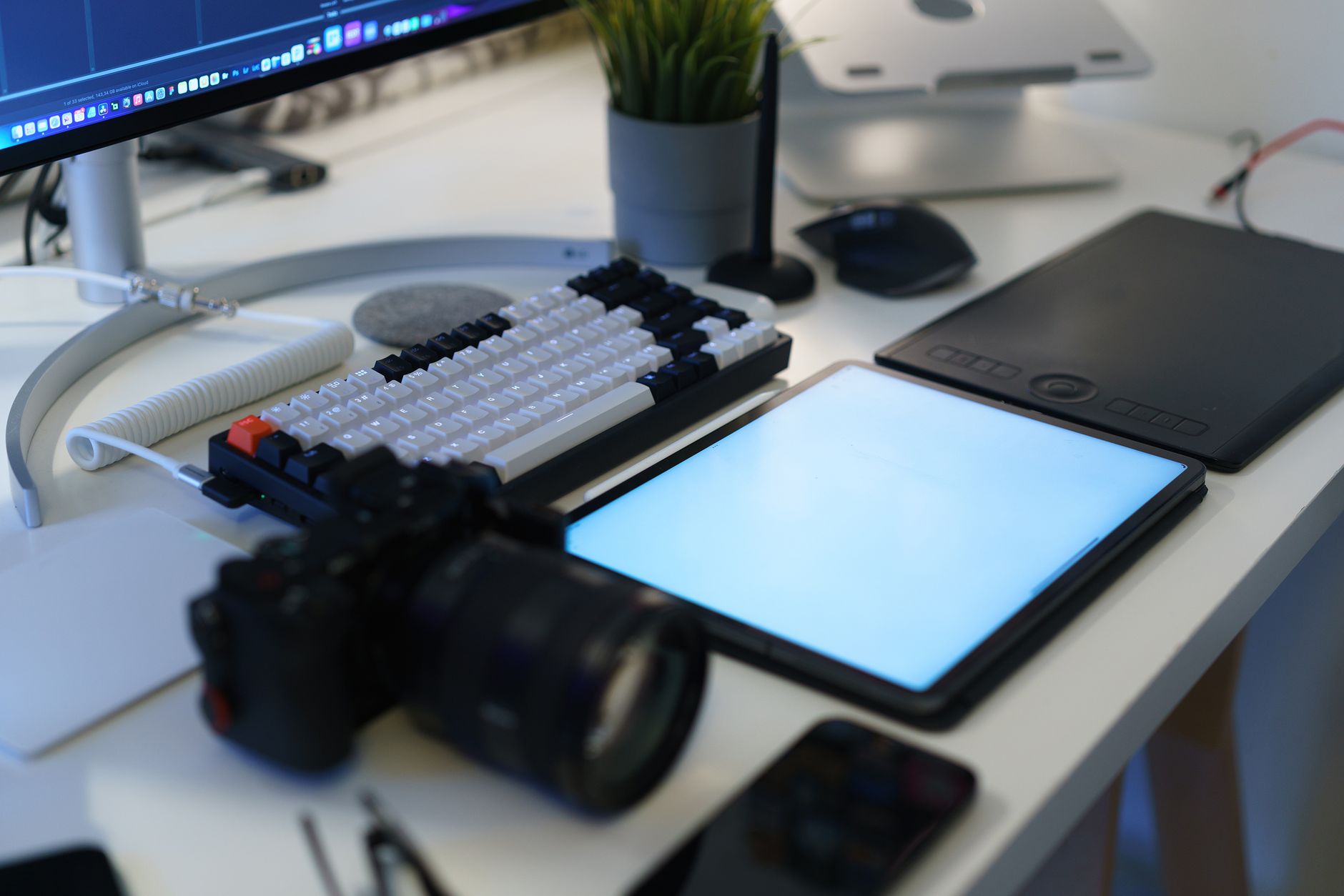
Practice Deliberately
Skill comes from practice, but deliberate practice accelerates it. Editing regularly, challenging yourself with new techniques and projects, and pushing beyond your comfort zone develops your abilities faster than passive repetition.
Simply editing isn’t enough; focused practice on specific skills drives improvement. Setting yourself challenges, trying techniques you haven’t mastered, and editing often with intention builds the abilities and speed that make a skilled editor over time.
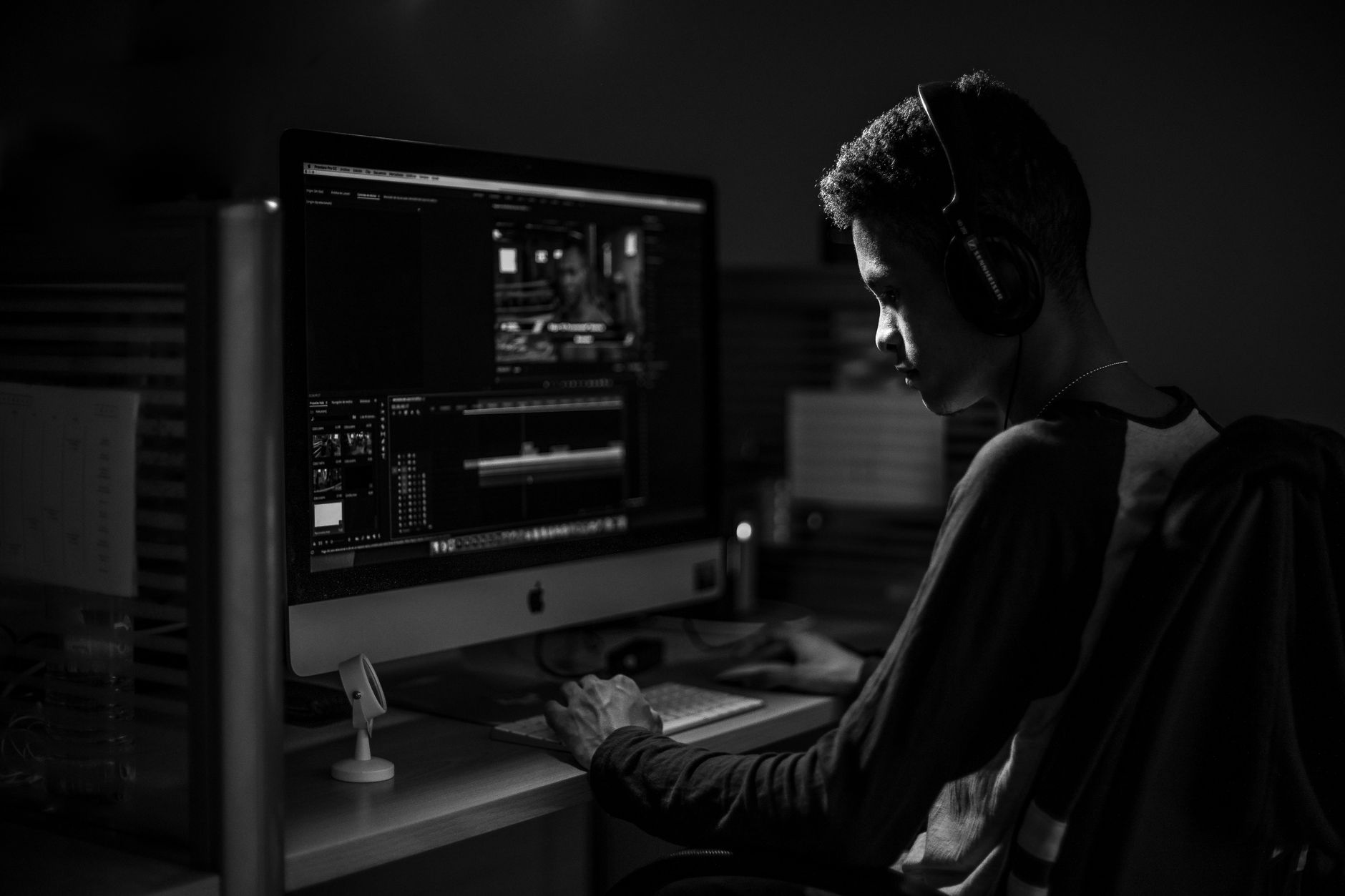
Study Great Editing
Learning from the best sharpens your eye. Studying well-edited films, videos, and content — analyzing the cuts, pacing, and choices — trains your sense of what works and exposes you to techniques and approaches to emulate.
Watching with an editor’s eye, asking why a cut works or how a sequence builds, teaches you constantly. Studying great editing across genres, and trying to understand and recreate what you admire, develops the instincts that distinguish skilled editors.
Learn Your Software Deeply
Mastering your tools removes friction. Learning your editing software deeply — its features, shortcuts, and capabilities — lets you work faster and focus on creativity rather than fighting the interface.
Software fluency frees your attention for the editing itself. Investing time to learn your tools thoroughly, so the technical side becomes second nature, lets you execute your creative vision smoothly, which is essential for growing as an editor.

Learn the Fundamentals
Strong fundamentals underpin all good editing. Understanding pacing, storytelling, continuity, and the principles of editing gives you the foundation that techniques build on.
Beyond software, the craft of editing rests on these fundamentals. Studying the principles of pacing, storytelling, and visual language, and applying them deliberately, develops the deep understanding that separates technically capable editors from genuinely skilled ones.

Seek Feedback
Feedback accelerates growth. Sharing your work and seeking honest critique from other editors, mentors, or communities reveals blind spots and areas to improve that you can’t see yourself, guiding your development.
Constructive feedback, though sometimes hard to hear, is invaluable for improvement. Actively seeking critique on your edits, and learning from it rather than defending your choices, exposes weaknesses and accelerates your growth as an editor.
Finish Projects
Completing projects teaches more than starting them. Finishing edits, including the unglamorous polishing and problem-solving, builds real skills and discipline that half-finished experiments don’t, so seeing projects through matters.
The full process of completing a video, with all its challenges, develops your abilities comprehensively. Pushing through to finish projects, rather than abandoning them when they get hard, builds the skills, discipline, and portfolio that mark a developing editor.
Be Patient and Persistent
Mastery takes time, so patience and persistence matter. Recognizing that editing skill develops gradually, staying motivated through the learning curve, and persisting through challenges is what carries you toward genuine expertise.
Improvement is a long-term journey, not an overnight transformation. Staying patient with your progress, persistent through difficulties, and committed to continual learning is what ultimately develops the deep skill and instinct of a great editor over time.
Improving Your Editing Best Practices
- Practice deliberately, challenging yourself with new techniques.
- Study great editing and learn your software deeply.
- Master the fundamentals of pacing and storytelling.
- Seek feedback, finish projects, and stay persistent.
Common Improvement Mistakes
- Practicing passively without challenging yourself.
- Neglecting fundamentals for flashy techniques.
- Avoiding feedback that would reveal weaknesses.
- Abandoning projects instead of finishing them.
A Real Improvement Example
Picture an editor frustrated by slow, mediocre work. They commit to a plan: editing a short project every week to practice deliberately, studying one well-edited video each day and analyzing its choices, learning a batch of keyboard shortcuts, and posting their work for honest feedback. Within months, their speed, eye, and confidence have transformed.
That growth came not from talent but from a deliberate, consistent approach — practice, study, software mastery, and feedback combined. The journey to better editing is built from exactly these habits, applied persistently over time, which is why anyone willing to practice deliberately and learn from critique can become a genuinely skilled editor.
Learn from a Community
Surrounding yourself with other editors accelerates growth enormously. Joining communities, watching tutorials, attending events, and connecting with peers exposes you to new techniques, feedback, and inspiration that solo practice can’t provide, while also keeping you motivated through the long learning curve.
Learning alongside others, sharing work, and absorbing the collective knowledge of a community speeds your development far beyond what isolation allows. Engaging with the broader world of editors and creators, including events like Adobe Video World, is one of the most effective ways to keep improving and stay inspired in your craft.
Develop Your Unique Style
As your skills mature, developing a personal style sets you apart. Beyond technical competence, finding your own voice — your pacing, your aesthetic, your storytelling sensibility — is what distinguishes a memorable editor, and it emerges gradually through experience and self-awareness.
This style develops not by copying others but by absorbing influences and discovering what feels authentic to you. Combined with the fundamentals from across our guides, cultivating your own distinctive approach over time is the final stage of growth, turning a skilled technician into an editor with a recognizable, valued creative voice.
Editing as a Lifelong Craft
Video editing is a craft you can keep developing throughout a career, with always more to learn as techniques, tools, and storytelling evolve. Embracing this lifelong learning, rather than seeing skill as a fixed destination, keeps you growing and engaged.
This perspective means staying curious, continually studying, and adapting to new approaches and technology. The best editors remain students of their craft, always refining their eye and expanding their abilities, which is what sustains a long, fulfilling career.
Combining ongoing practice, study, community, and openness to growth ensures you keep improving for years. Treating editing as a craft to master gradually, with no final endpoint, is both a realistic view of skill development and the mindset that produces genuinely great editors over time.
Learning to spot the editing mistakes that quietly hold creators back is one of the fastest ways to raise the quality of your videos.
Choosing software is part of growing, and weighing Premiere Pro vs DaVinci Resolve clarifies where each one excels.
Key Takeaways
- Practice deliberately and study great editing.
- Learn your software deeply and master the fundamentals.
- Seek feedback and finish your projects.
- Be patient and persistent on the journey to mastery.
Frequently Asked Questions
How do I get better at video editing?
Practice deliberately by challenging yourself with new techniques, study great editing to train your eye, learn your software deeply, master the fundamentals of pacing and storytelling, seek honest feedback, finish your projects, and stay persistent.
How long does it take to get good at video editing?
Mastery takes time and varies by person, but consistent deliberate practice accelerates it. Improvement is a long-term journey, so staying patient through the learning curve and persistent through challenges is what develops genuine skill over time.
What’s the best way to improve editing skills?
Combine deliberate practice, studying great editing analytically, learning your software and the fundamentals deeply, seeking honest feedback, and finishing real projects. Practicing with intention and learning from critique drives the fastest improvement.
Sources: Wikipedia’s overview of deliberate practice.
Level up your editing at Adobe Video World
Train hands-on with Adobe Certified Instructors across 100+ Premiere Pro & After Effects sessions.