A workflow taught by Adobe Certified Instructors at Adobe Video World.
A force field — a glowing energy shield or barrier — is a classic sci-fi effect for protective bubbles, deflected attacks, and futuristic technology. Built from glowing shapes, distortion, and impact ripples, it’s a rewarding effect to create. This guide covers building a convincing force field in After Effects, from the barrier to the impact reactions.

What a Force Field Looks Like
A force field is a semi-transparent energy barrier, usually glowing and slightly distorting what’s behind it. It shimmers with energy, ripples when struck, and often has a geometric or hexagonal pattern suggesting structured energy.
The defining qualities are translucency, a glowing edge, subtle distortion, and reactive ripples on impact. Recreating these — a faint energy surface that bends light and reacts to hits — is what makes a force field read as a powerful protective barrier.

Create the Barrier Shape
Start with the field’s shape — a sphere, dome, wall, or bubble. Building a shape or solid in the form of the barrier, made semi-transparent, establishes the energy surface the rest of the effect builds on.
The shape defines where the field is, often a translucent dome or sphere around a subject. Keeping it semi-transparent so the scene shows through, while suggesting a curved energy surface, creates the foundation of the protective barrier.
Add a Glow and Edge
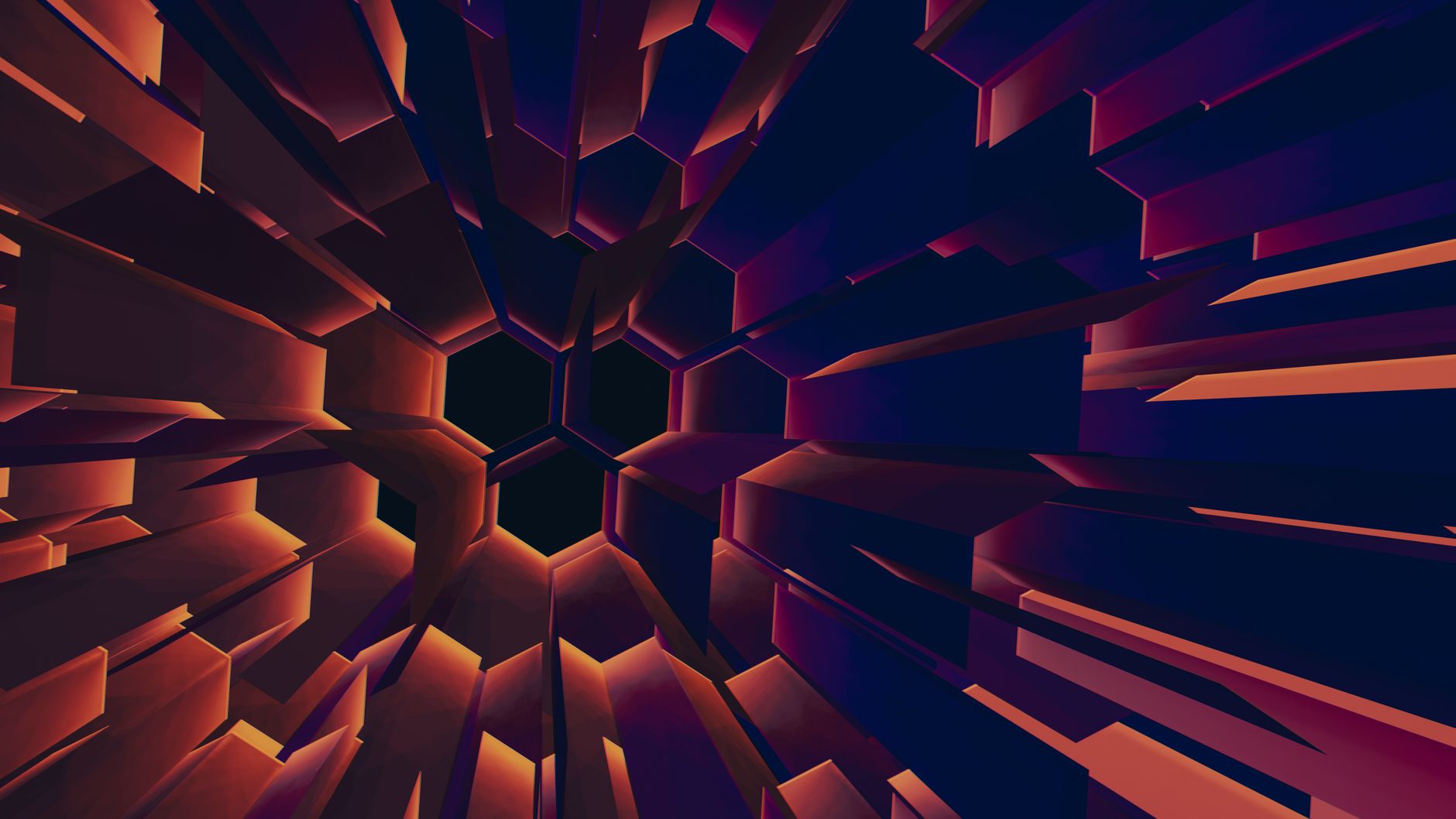
Energy fields glow, especially at their edges. Adding a glow and a brighter rim to the barrier makes it radiate energy, with the edge often more intense where the field curves away from the viewer.
This glowing edge is key to the energy look, suggesting the field is brightest at its boundary. A colored glow — blue, cyan, or any energy hue — radiating from the barrier’s surface and edge gives it the luminous, powered quality of a force field.
Add a Pattern
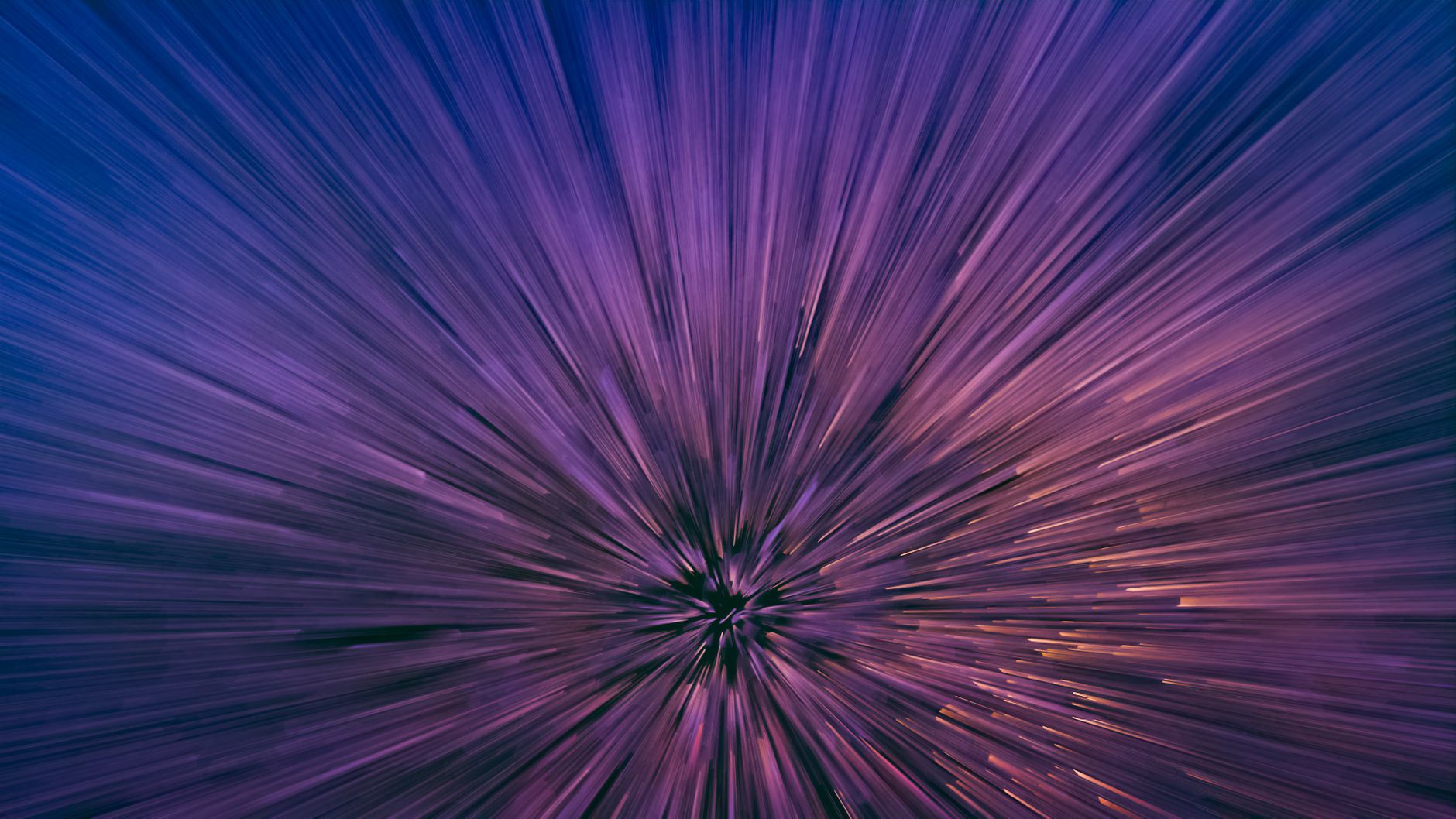
Many force fields have a structured pattern. Adding a hexagonal, grid, or geometric texture to the barrier, faintly visible, suggests engineered energy and adds the high-tech detail seen in sci-fi shields.
This pattern, kept subtle and following the barrier’s curve, reinforces the technological feel. A faint hexagonal grid is a classic choice, implying the field is made of interlocking energy cells, which adds believability and detail to the shield.

Add Distortion
A force field bends the light passing through it. Adding subtle distortion to the area behind the barrier makes what’s seen through it shimmer and warp slightly, selling the idea of an energy surface affecting light.
This refraction, even if subtle, is what makes the field feel like a real energy barrier rather than a flat overlay. Distorting the background within the field’s shape, animated gently, gives the force field a tangible, light-bending presence.
Animate Impact Ripples
The most dynamic moment is when something strikes the field. Animating a ripple or flash spreading from the point of impact, with the barrier brightening and distorting more, shows the field absorbing or deflecting an attack.
These impact reactions bring the force field to life dramatically. A bright ripple radiating from where a projectile hits, timed to the impact, demonstrates the field’s power and makes the protective barrier feel active and responsive.
Animate the Energy
A static field looks lifeless, so add constant subtle motion. Animating the glow pulsing, the pattern shifting, or energy flowing across the surface gives the force field a living, powered quality even when nothing is striking it.
This continuous animation, using techniques like wiggle on the glow or a drifting pattern, suggests the field is actively generating energy. The subtle, ongoing movement is what makes the barrier feel powered and alive rather than a frozen graphic.
Force Field Best Practices
- Build a semi-transparent barrier shape with a glowing edge.
- Add a subtle hexagonal or grid pattern for a tech feel.
- Distort the background behind the field for refraction.
- Animate impact ripples and constant energy motion.
Common Force Field Mistakes
- A solid, opaque barrier that doesn’t read as energy.
- No distortion, leaving it a flat overlay.
- A static field with no energy motion.
- Impact ripples that aren’t timed to the hits.
A Real Force Field Example
Imagine a hero raising a glowing dome shield as projectiles rain down. You build a translucent blue sphere around them, add a bright glowing edge and a faint hexagonal pattern that follows its curve, and subtly distort the background seen through it so it shimmers like energy. A gentle pulse keeps it alive even at rest.
Then, as each projectile strikes, you animate a bright ripple radiating from the impact point while the field flares and distorts harder. The shield reads as a powerful, living energy barrier absorbing the attack — exactly the combination of translucency, glow, refraction, and reactive ripples that makes a force field convincing.
Force Fields and Their Surroundings
A convincing force field affects more than itself — it casts colored light on nearby surfaces and the subject inside it, especially in darker scenes. Adding a faint wash of the field’s color onto the protected character and the ground grounds the barrier in the scene rather than floating it on top.
On impact, that cast light should flare brighter momentarily, reinforcing the energy release. Accounting for how the field interacts with its environment, alongside the glow and distortion on the barrier itself, is the detail that separates an integrated, believable shield from an obvious overlay.
Animate the Field On and Off
A force field is most dramatic when it powers up and down rather than simply existing. Animating the barrier forming — expanding outward from a point or assembling from its hexagonal pattern as it activates — gives it a satisfying, powered entrance, and reversing that for shutdown.
Timing these activations to the character’s action and a powering-up sound, using our keyframe easing, sells the technology. A field that snaps into being to block an attack, then fades once the threat passes, feels far more dynamic and intentional than one that’s always on.
The same glow and energy techniques that build a shield power creating a laser beam in After Effects.
The same energy-and-light toolkit behind a shield applies directly to creating a muzzle flash in After Effects.
Superhero shots often combine a glowing aura with creating a levitation effect in After Effects.
Key Takeaways
- A force field is a glowing, translucent, light-bending barrier.
- Build a semi-transparent shape with a glowing edge and pattern.
- Distort the background and animate constant energy.
- Animate ripples on impact to show the field reacting.
Frequently Asked Questions
How do I create a force field in After Effects?
Build a semi-transparent barrier shape, add a glow and brighter edge, include a subtle hexagonal pattern, distort the background behind it for refraction, and animate impact ripples and constant subtle energy motion to bring it to life.
How do I make a force field react to impacts?
Animate a bright ripple or flash spreading from the point of impact, with the barrier brightening and distorting more, timed precisely to when something strikes it. This shows the field absorbing or deflecting the attack.
Why does my force field look flat?
It likely lacks distortion or energy motion. Add subtle refraction to the background seen through the field, a glowing edge, and constant animation like a pulsing glow or shifting pattern so it reads as living energy, not a flat shape.
Sources: Adobe’s guide to the generate effects in After Effects.
Build energy shields at Adobe Video World
Train hands-on with Adobe Certified Instructors across 100+ Premiere Pro & After Effects sessions.