A workflow taught by Adobe Certified Instructors at Adobe Video World.
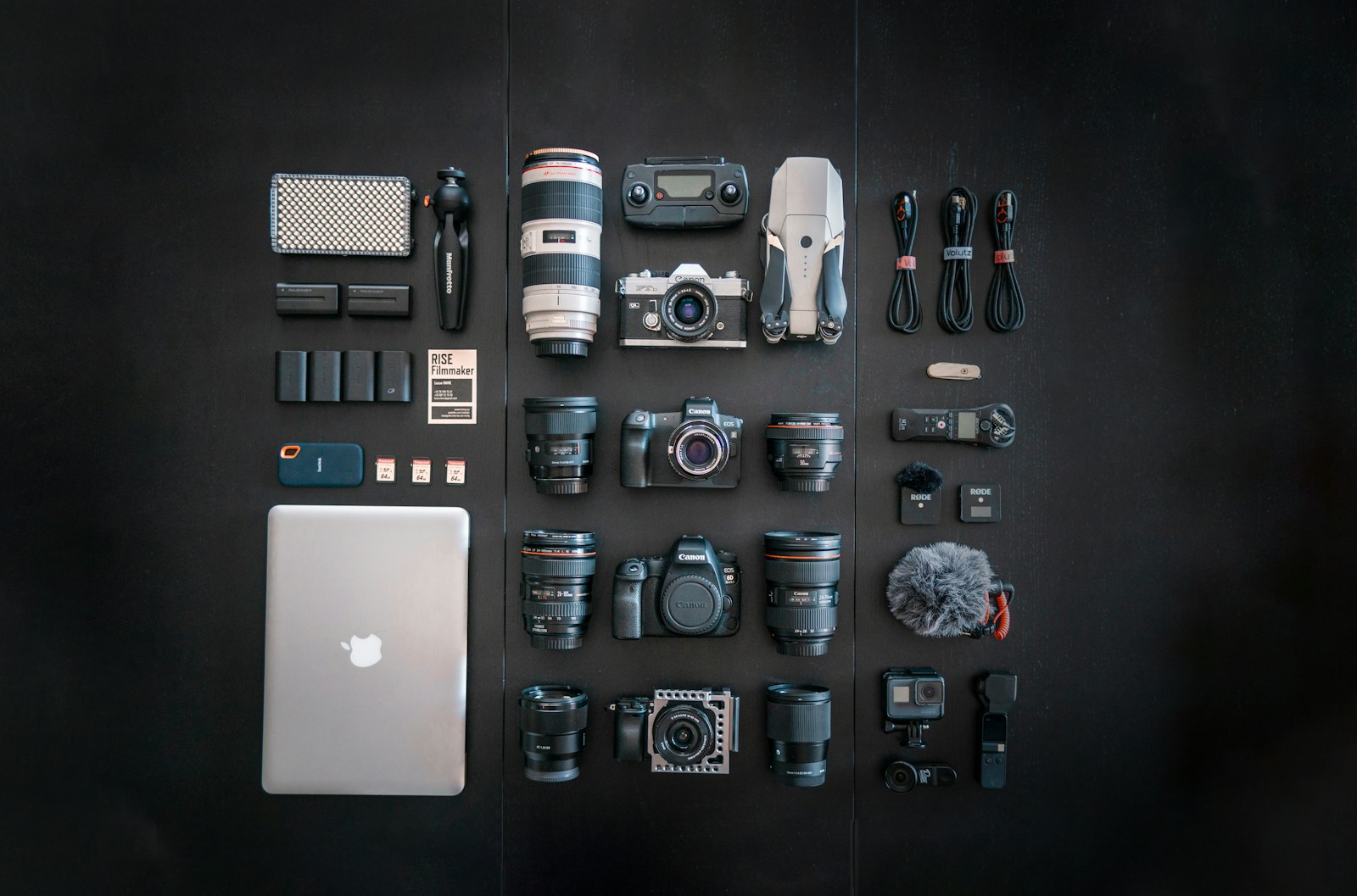
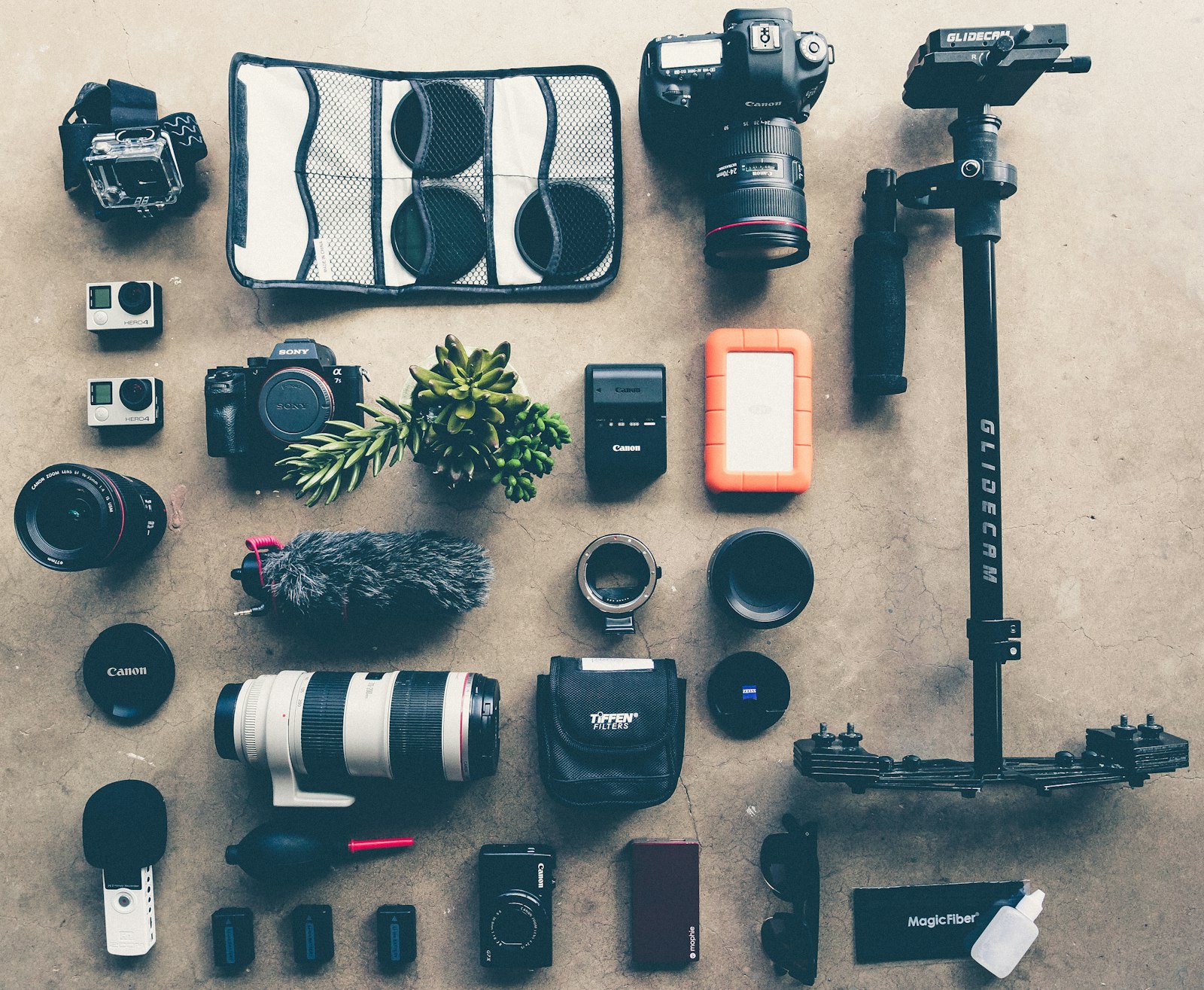
Beyond the camera, lens, and audio, a range of accessories make shooting video smoother, more professional, and more reliable. Knowing which accessories matter helps you build a practical kit without wasting money. This guide covers the essential camera accessories for video that solve real problems and improve your shooting.
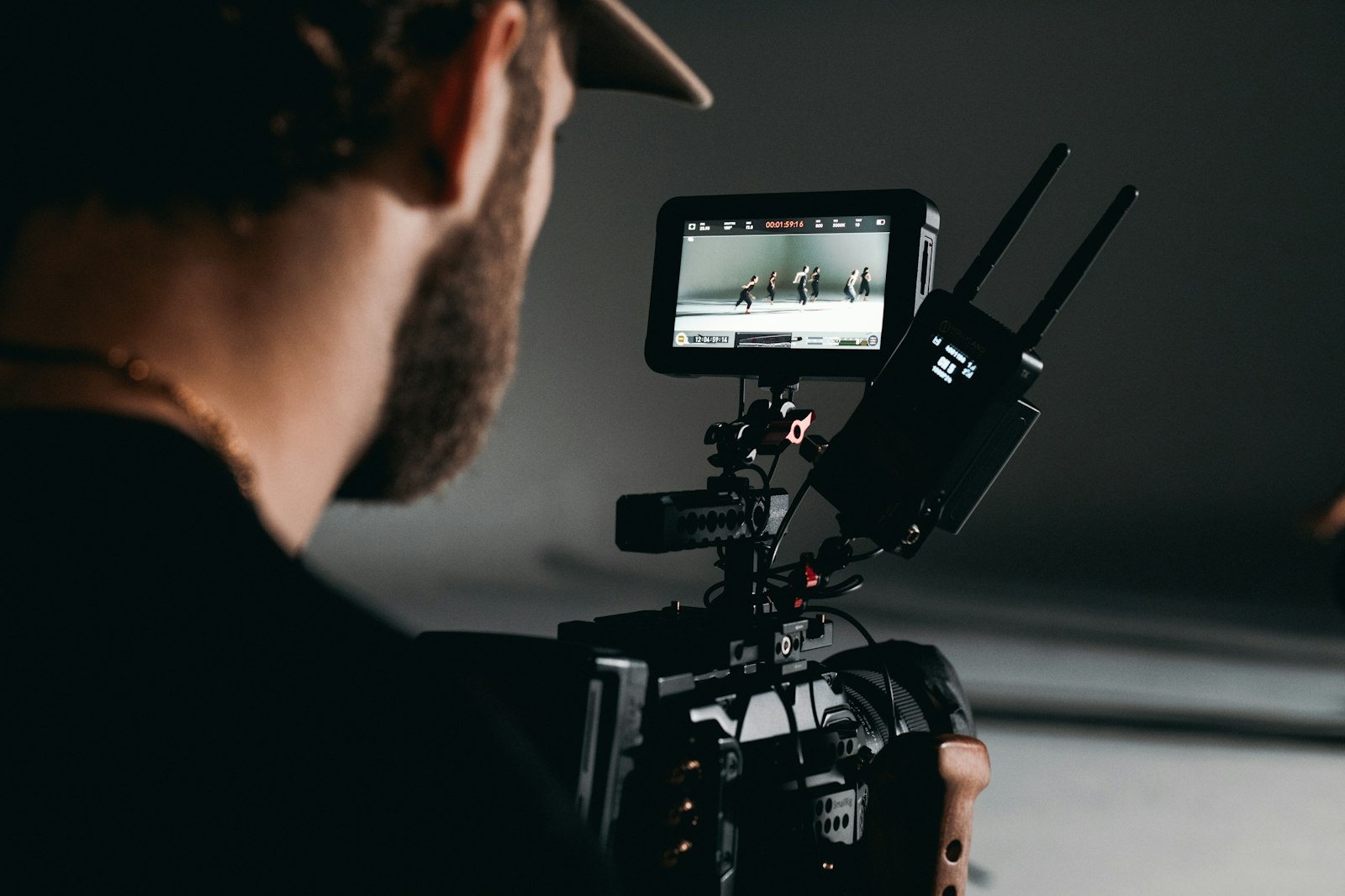
Why Accessories Matter
The right accessories solve practical problems that otherwise disrupt shooting — running out of power, controlling light, monitoring your shot, and more. Building a thoughtful set of accessories makes your filming smoother, more reliable, and more professional.
While it’s easy to over-accessorize, the right additions genuinely improve your work. Focusing on accessories that solve real problems you face, rather than gadgets you won’t use, builds a practical kit that supports better, more reliable video.
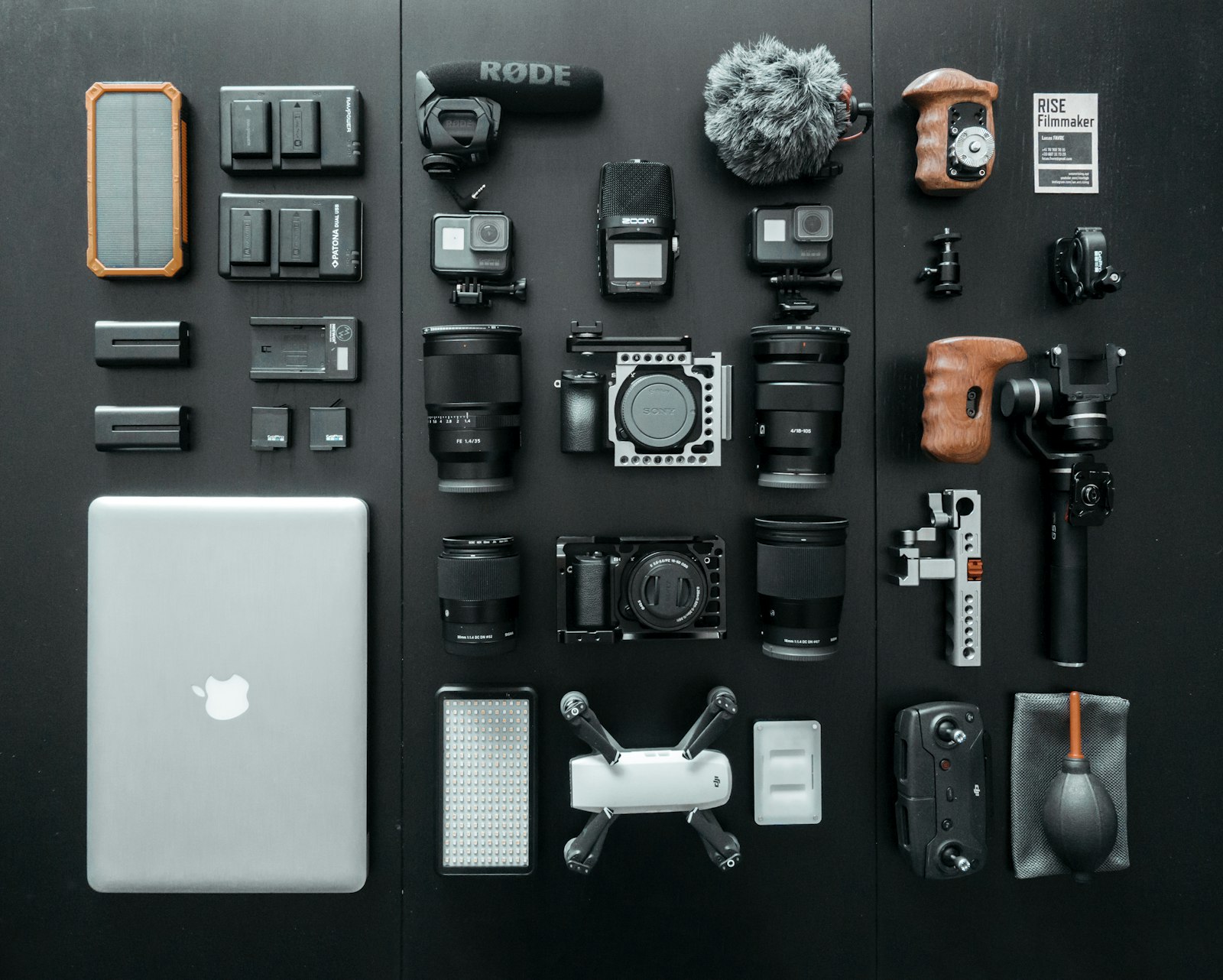
Extra Batteries and Power
Running out of power ends a shoot, so spare batteries are essential. Carrying extra batteries, and considering external power options for long shoots, ensures you never lose footage or a moment to a dead camera.
Cameras shooting video drain batteries quickly, making spares non-negotiable. Always carrying charged extra batteries, and power solutions for extended shooting, is one of the most important practical accessories for reliable filming.
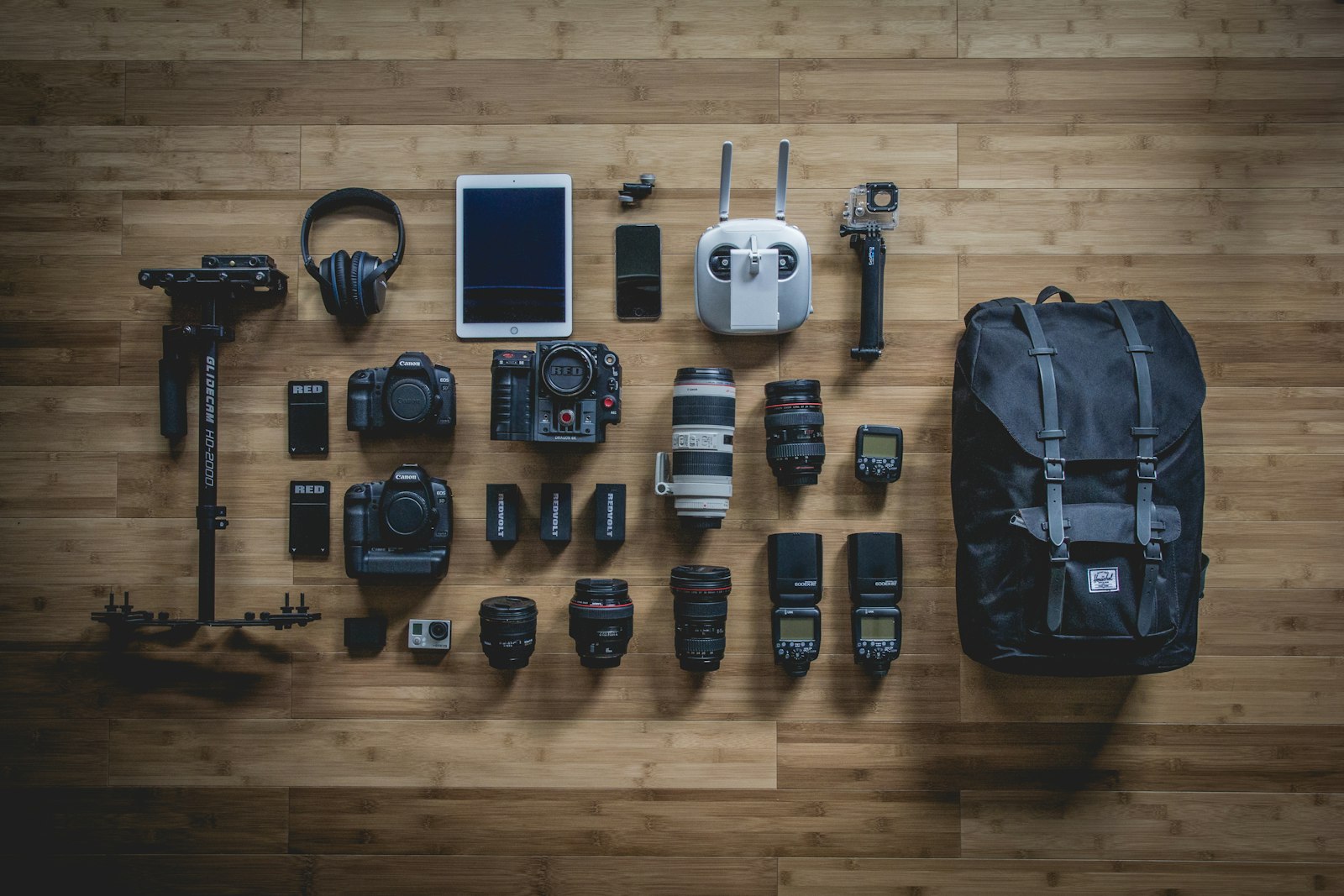
Memory Cards and Storage
Reliable storage protects your footage. Carrying multiple quality memory cards and portable drives to offload and back up footage ensures you have space and your recordings are safe.
Running out of card space or losing footage to a failure is avoidable with good storage habits. Spare cards and backup drives, used with the discipline from our media management guide, keep your shooting uninterrupted and your footage secure.
ND Filters
ND filters are essential for shooting video in bright light. By reducing light, they let you keep the correct shutter speed and aperture outdoors, achieving a cinematic look that’s impossible without them in sunlight.
For any outdoor video, ND filters solve the exposure challenge of bright conditions. Having a set of NDs or a variable ND, as our ND filter guide covers, is one of the most valuable accessories for cinematic outdoor shooting.
A Monitor or Viewfinder
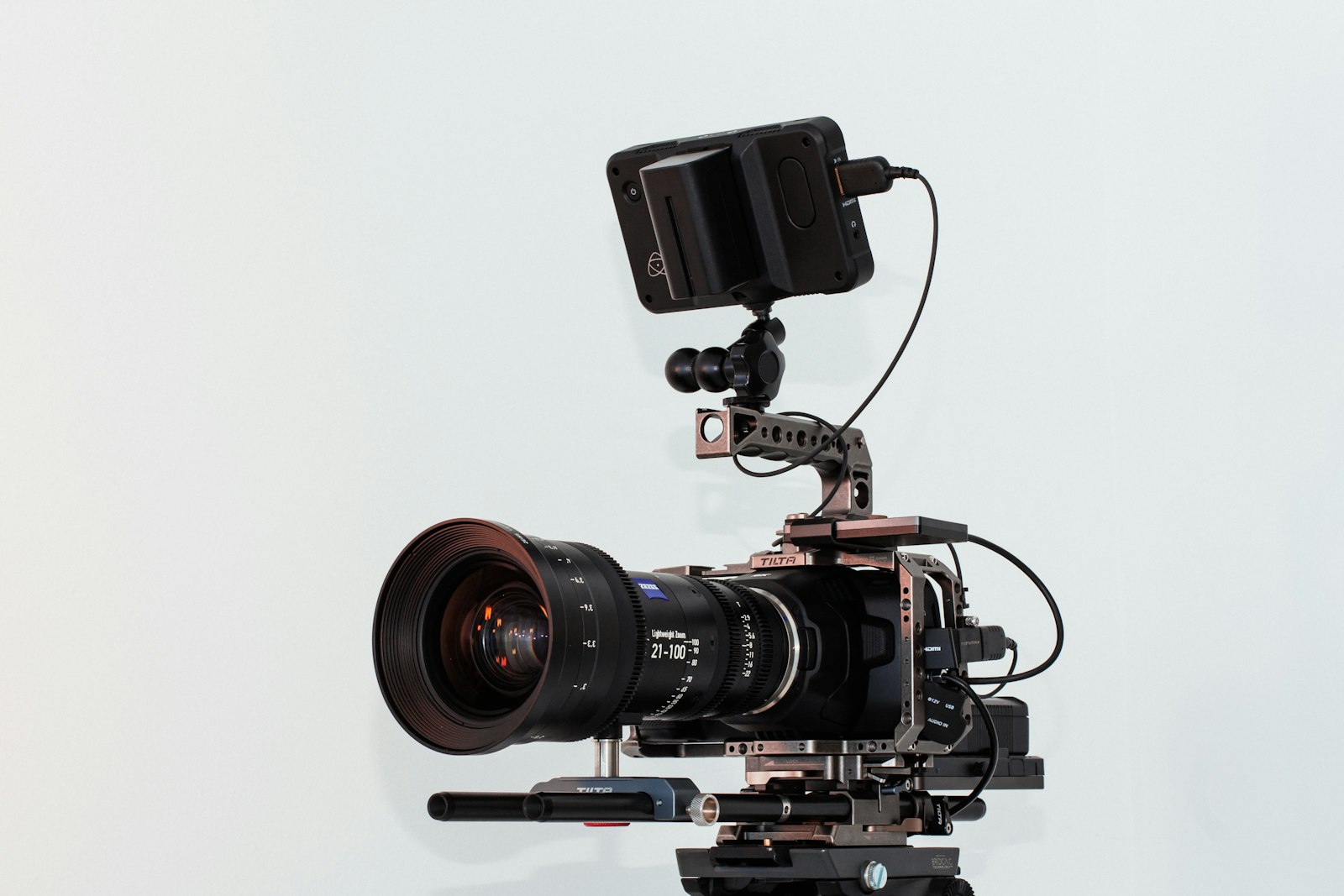
An external monitor helps you see your shot accurately. A larger monitor shows focus and framing clearly, aids exposure judgment, and makes shooting easier than relying on a small camera screen, especially for run-and-gun and gimbal work.
Seeing your shot clearly is important for nailing focus and framing, which a small screen makes hard. An external monitor, while not essential for everyone, is a valuable accessory that improves how well you can judge and capture your shots.
A Cage and Rigging
A camera cage protects the camera and provides mounting points. Cages let you attach accessories — monitors, microphones, handles, lights — and add protection and ergonomics, useful for more complex setups.
For shooters using multiple accessories, a cage organizes and secures everything around the camera. While not needed for simple setups, a cage and rigging make a multi-accessory rig manageable and protect your gear, useful as your kit grows.
Support and Stabilization
Support gear is essential for steady, professional footage. A tripod for stability, a gimbal for movement, and other supports give you the tools for both static and dynamic shots.
These support accessories, covered in our dedicated guides, are among the most impactful for footage quality. Building a kit with the right support for your shooting — steady tripod work and smooth gimbal movement — is essential for professional video.
Camera Accessories Best Practices
- Always carry spare batteries and power.
- Bring multiple memory cards and backup storage.
- Use ND filters for bright outdoor shooting.
- Add a monitor, cage, and support gear as needed.
Common Accessory Mistakes
- Running out of battery or card space mid-shoot.
- Shooting outdoors without ND filters.
- Over-accessorizing with gadgets you won’t use.
- Neglecting support gear for steady footage.
A Real Accessory Kit Example
Picture packing for a day of run-and-gun documentary shooting. You bring spare batteries and a power bank so the camera never dies, several tested memory cards plus a drive to offload at lunch, a variable ND for the bright exteriors, an external monitor to nail focus, and a gimbal for moving shots. Each accessory solves a specific problem you know you’ll face.
Because the kit is built around real needs rather than gadgets, the day runs smoothly with no dead batteries, no full cards, and no blown-out exposures. That problem-solving approach to accessories — gear that addresses actual obstacles — is exactly how you build a practical kit that makes shooting reliable and professional.
Don’t Over-Accessorize
It’s easy to fall into buying gadgets that promise to improve your work but mostly add weight and complexity. The most effective kits are lean, built around accessories that solve problems you actually encounter, while gear you ‘might use someday’ often stays in the bag, slowing you down.
Adding accessories as genuine needs arise, rather than preemptively buying everything, keeps your kit practical and your budget sensible. Focusing your spending on the essentials — power, storage, light control, and support — that consistently improve your shooting, as our gear guides cover, beats chasing every new gadget.
Maintain and Pack Your Gear
A well-organized, maintained kit is as valuable as the gear itself. Keeping accessories charged, cards formatted and tested, and everything packed in a logical, protected way means you can grab your kit and shoot without scrambling or discovering a dead battery on location.
A good bag with organized compartments protects your gear and speeds your setup, while a pre-shoot checklist prevents forgetting essentials. Treating your kit with the same care you’d apply to media in our media management guide ensures your accessories are always ready when a shoot demands them.
Build Your Kit Around Your Work
The ideal accessory kit reflects the specific work you do, not a generic checklist. A studio shooter needs different accessories than a run-and-gun documentarian, so building your kit around your actual shooting situations ensures every item earns its place.
This tailored approach prevents both gaps in your kit and wasted money on gear you don’t use. Adding the accessories that solve the problems you genuinely face, while skipping those you don’t need, keeps your kit lean, practical, and effective.
Reviewing what slows you down or causes problems on shoots reveals which accessories would genuinely help. Combined with the essentials of power, storage, and support, a kit built around your real needs makes your specific work smoother and more professional.
If you’re choosing your first setup, our roundup of the best cameras for beginners getting into video explains what to prioritize on a limited budget.
Key Takeaways
- The right accessories make shooting smoother and more reliable.
- Spare batteries, cards, and storage are essential.
- ND filters are key for bright outdoor shooting.
- Add a monitor, cage, and support gear as your work needs.
Frequently Asked Questions
What camera accessories do I need for video?
The essentials are spare batteries and power, multiple memory cards and backup storage, ND filters for bright outdoor shooting, and support gear like a tripod and gimbal. A monitor and cage help as your setups grow more complex.
Are ND filters an essential accessory?
For outdoor video, yes — ND filters let you keep the correct shutter speed and aperture in bright light for a cinematic look, which is impossible in sunlight without them. They’re among the most valuable accessories for outdoor shooting.
Do I need a camera cage?
Only for more complex setups using multiple accessories. A cage protects the camera and provides mounting points for monitors, mics, handles, and lights. For simple setups, it’s not necessary, but it helps as your kit grows.
Sources: Wikipedia’s overview of camera accessories.
Kit out your camera at Adobe Video World
Train hands-on with Adobe Certified Instructors across 100+ Premiere Pro & After Effects sessions.