A workflow taught by Adobe Certified Instructors at Adobe Video World.
A good tripod is essential for steady, professional video, and choosing one means understanding the features that matter for filmmaking — especially the fluid head. The right tripod depends on your camera and shooting style. This guide covers choosing a video tripod and supports for smooth, stable footage.
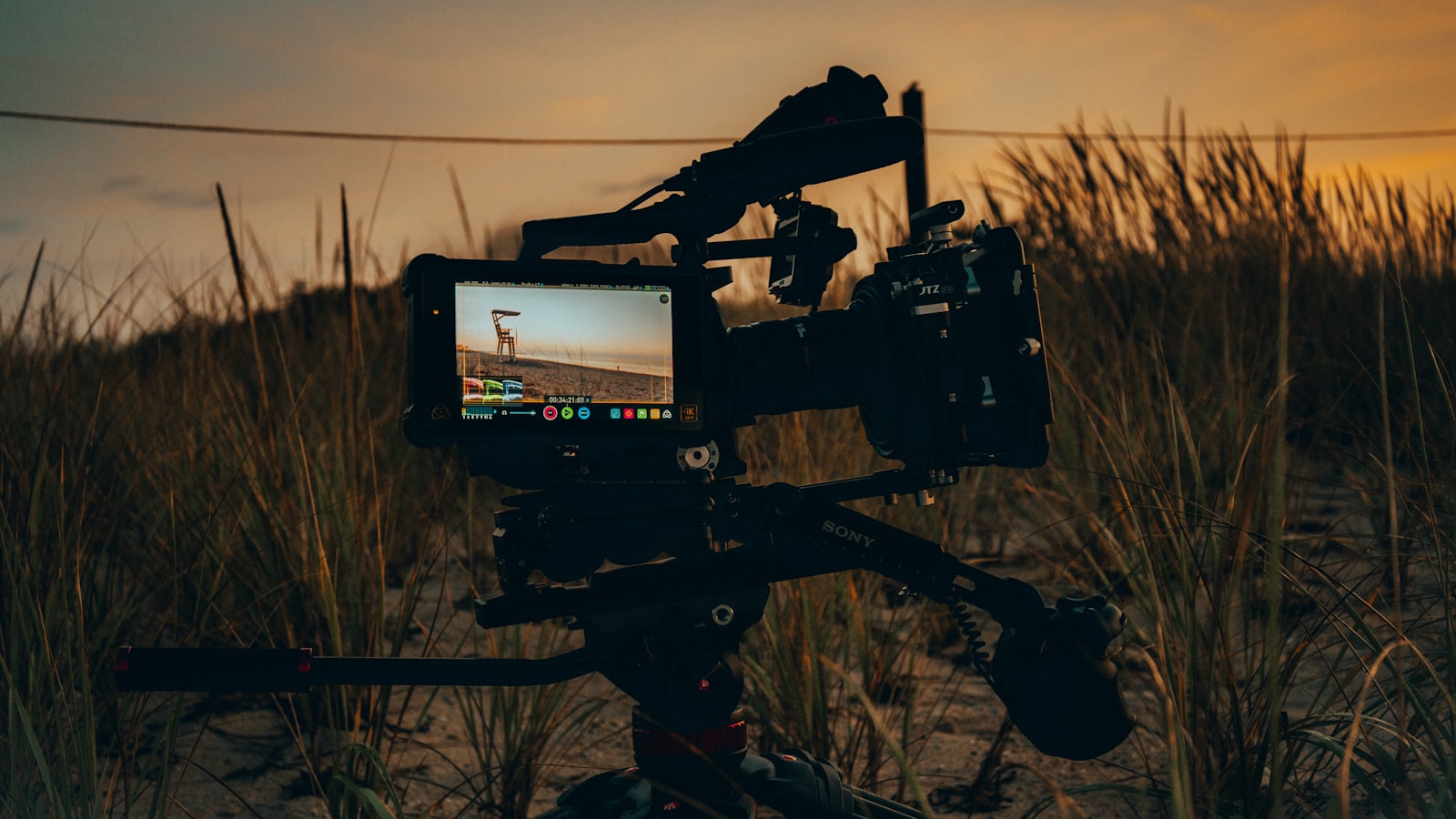
Why a Video Tripod Matters
Steady footage looks professional, and a tripod is the foundation of stability. Beyond static shots, a good video tripod enables smooth pans and tilts, which is why it’s an essential piece of kit for quality, controlled video.
Shaky, unstable footage looks amateur, while a tripod delivers the rock-steady shots and smooth movements of professional work. Understanding what makes a tripod good for video, especially the head, ensures you choose one that serves your filmmaking.
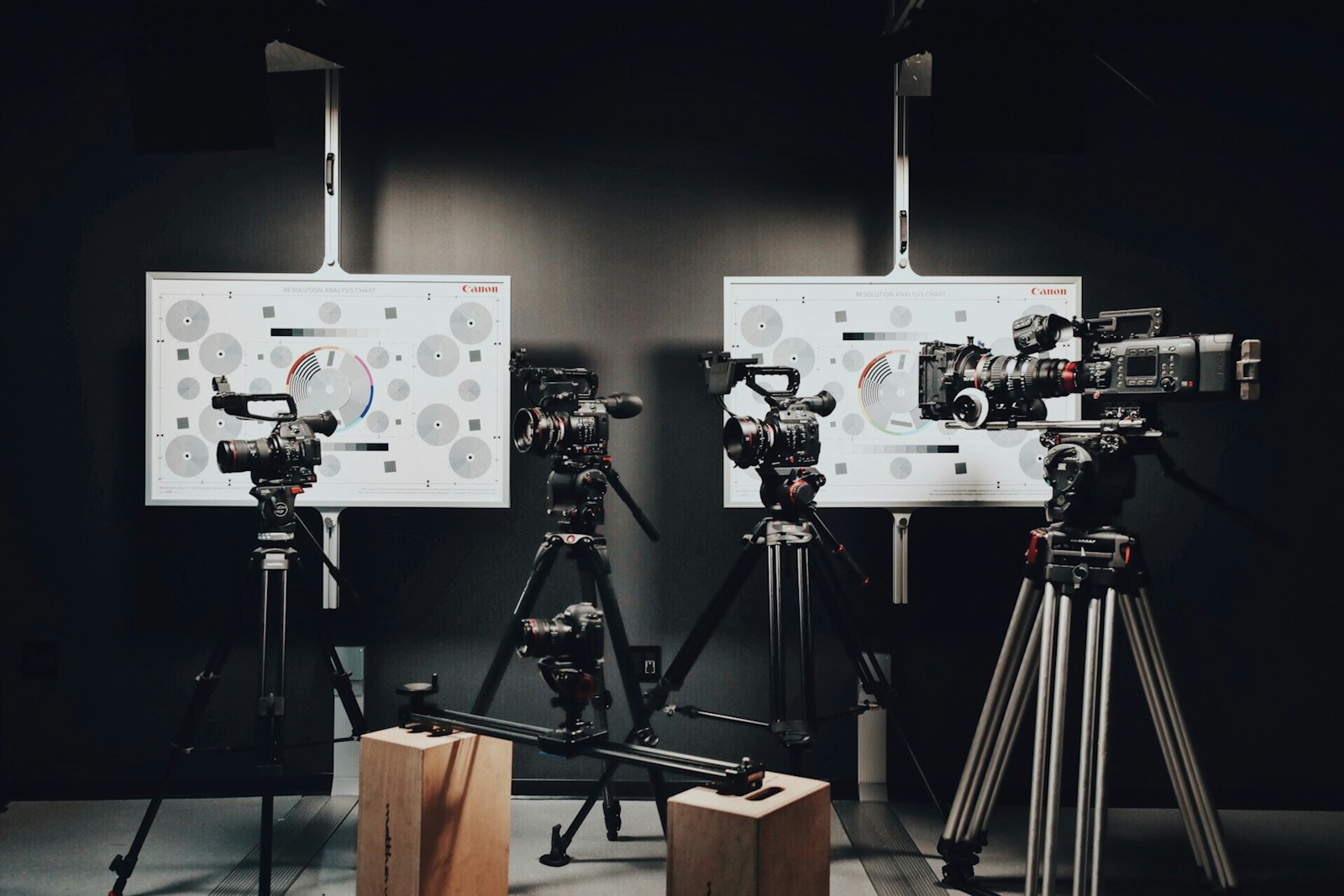
Look for a Fluid Head
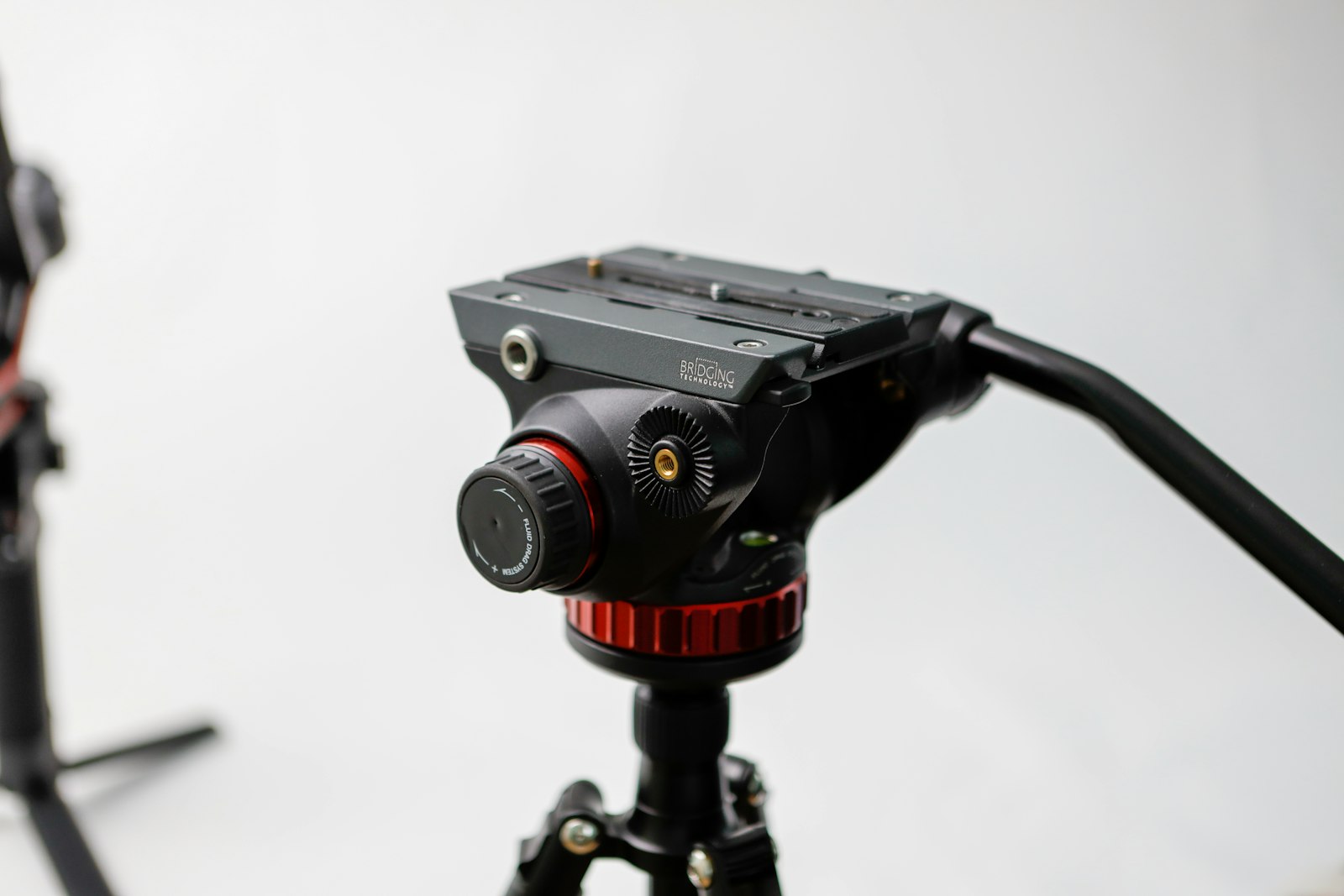
The most important feature for video is a fluid head. Unlike photo tripod heads, fluid heads provide smooth, damped movement for pans and tilts, which is essential for the smooth camera moves that video requires.
A fluid head is what separates a video tripod from a photo one. Its damped, controlled movement enables the smooth pans and tilts that look professional, making it the key feature to prioritize when choosing a tripod for video.
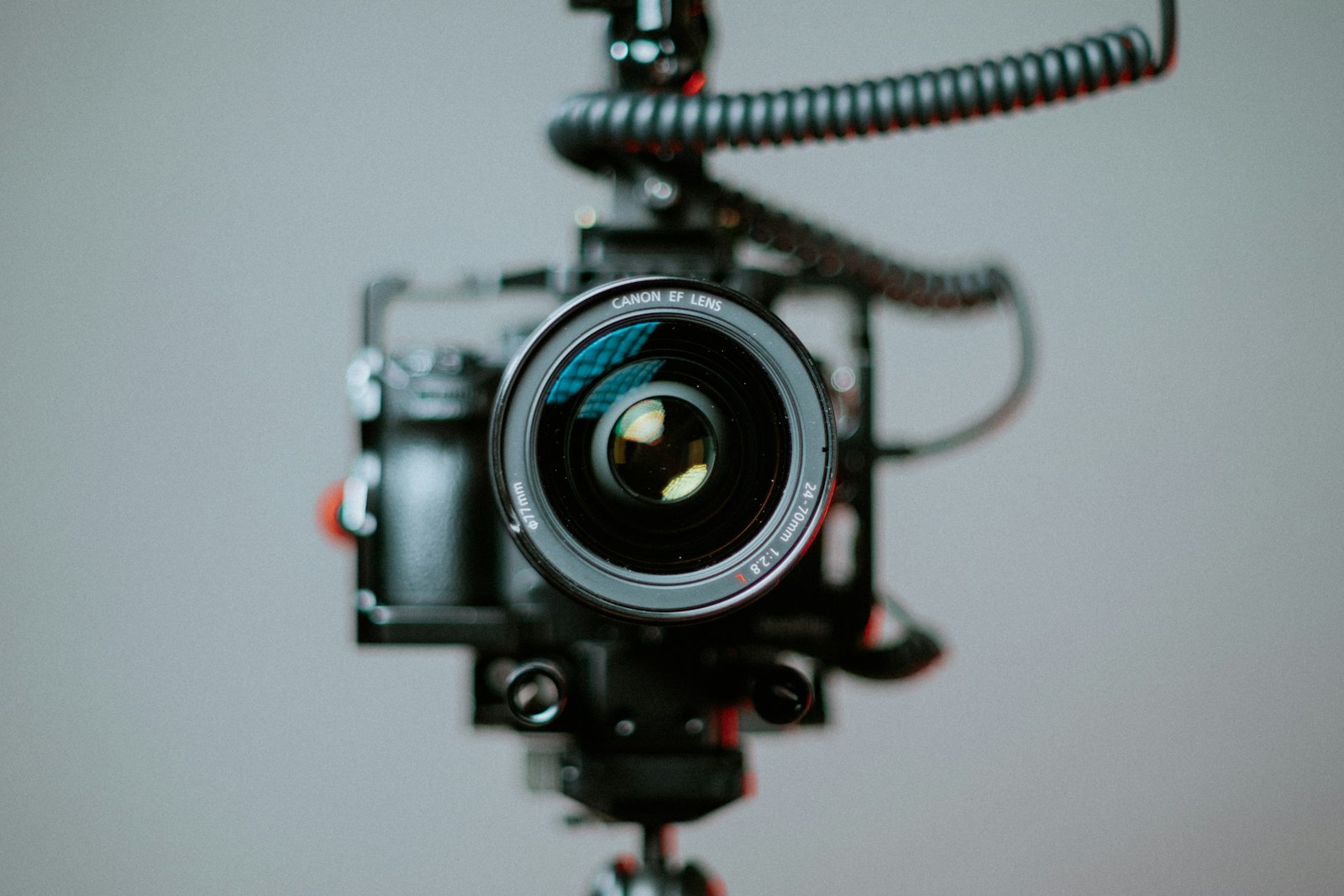
Match the Load Capacity
A tripod must support your camera’s weight. Checking the load capacity against your camera and lens setup ensures the tripod is stable and the head moves smoothly, since an overloaded tripod is shaky and strained.
Matching the tripod’s rating to your gear, with some margin, is essential for stability. A tripod and head rated for your camera’s weight provide the steady support and smooth movement you need, while an underrated one compromises both.
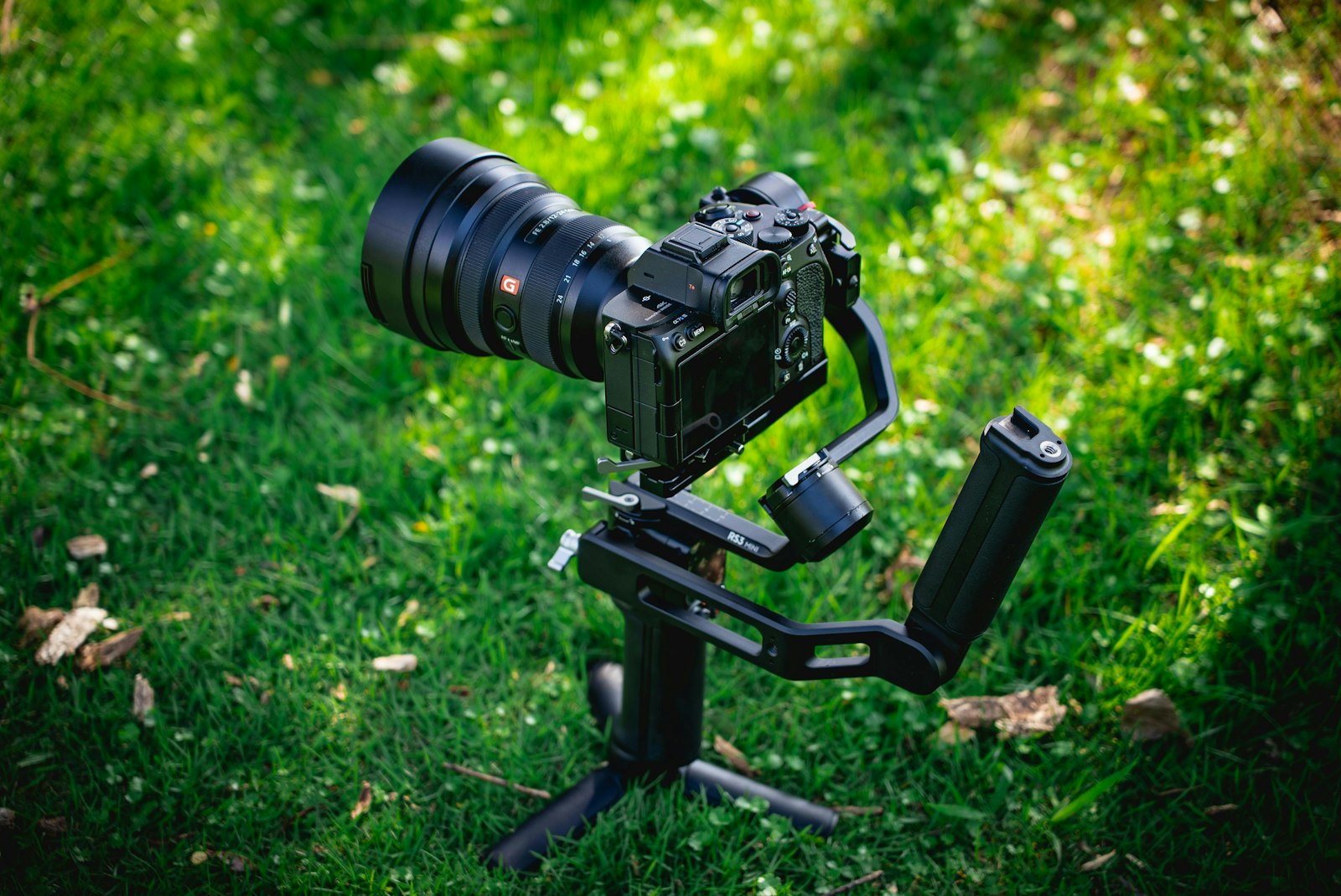
Consider Height and Portability
Tripod height and weight affect usability. A tripod that reaches a comfortable working height, while being portable enough for your needs, balances functionality with practicality, since a too-short or too-heavy tripod hampers shooting.
Choosing a height that suits your shooting and a weight you’ll actually carry matters for real-world use. Balancing reach against portability ensures the tripod is both capable and practical for how and where you shoot.
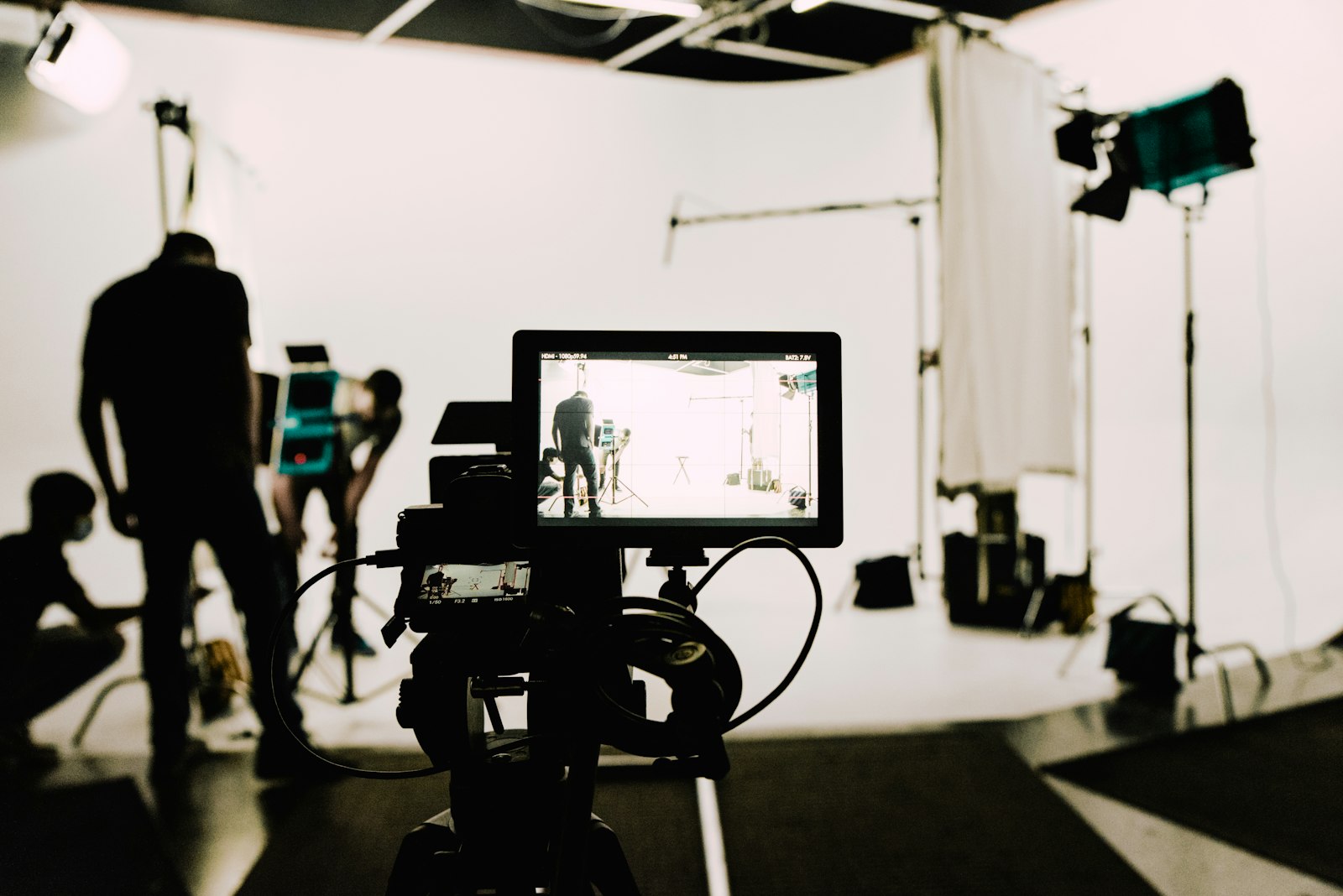
Check the Build and Stability
A tripod’s build determines its stability. Sturdy legs, quality materials, and solid locks provide the stability that prevents shake, while flimsy tripods wobble and undermine the steadiness you need.
Investing in a well-built tripod pays off in rock-steady footage. Quality construction and good leg locks ensure the tripod stays stable even in wind or on uneven ground, delivering the reliable steadiness that professional video requires.
Consider Other Supports
Tripods aren’t the only support. Monopods offer mobility with some stability, sliders enable smooth linear moves, and gimbals handle moving shots, each complementing the tripod for different situations.
Building a kit with varied supports, including our gimbal techniques, gives you options for any shot. A tripod for stability, a slider for movement, and a gimbal for dynamic shots together cover the range of camera support video needs.
Match the Tripod to Your Work
The right tripod depends on your shooting. A heavy, sturdy tripod suits studio and controlled work, while a lighter travel tripod suits run-and-gun and location shooting, so matching the tripod to your style serves you best.
Considering how and where you shoot guides the choice between a robust studio tripod and a portable travel one. Choosing a tripod that fits your actual work ensures it’s both capable and practical, supporting the kind of video you create.
Tripod Best Practices
- Prioritize a fluid head for smooth pans and tilts.
- Match the load capacity to your camera and lens.
- Balance height and portability for your needs.
- Choose sturdy build, and add sliders and gimbals for movement.
Common Tripod Mistakes
- Using a photo head instead of a fluid head for video.
- An underrated tripod that’s shaky with your gear.
- A flimsy build that wobbles and shakes.
- One tripod for every shot instead of varied supports.
A Real Tripod Choice Example
Picture a documentary shooter choosing a tripod. They prioritize a smooth fluid head for steady interview framing and gentle reveals, check that its load rating comfortably exceeds their camera and lens, and pick a height that lets them shoot standing without stooping. A sturdy build keeps it rock-solid, and a reasonable weight means they’ll actually carry it on location.
Paired with a compact slider for movement and a gimbal for dynamic shots, the tripod anchors a complete support kit. That deliberate matching of a fluid head, adequate load capacity, and practical height to their real work is exactly what makes a tripod a reliable workhorse rather than a frustrating compromise.
Care for Your Support Gear
Tripods and supports last for years with basic care. Cleaning grit from the leg locks, checking the head’s tension and fluid drag periodically, and not overloading beyond the rating all keep a tripod smooth and stable over a long life, protecting an investment that outlasts many cameras.
Treating your support gear well also means it performs when you need it, with no sticky legs or loose heads ruining a shot. A well-maintained tripod, slider, and gimbal form a reliable foundation that, combined with the movement techniques in our camera movement guide, supports professional, controlled footage for years.
Stability Is the Foundation
Across all support gear, stability is the goal that everything serves. A tripod’s job is rock-steady footage and smooth movement, so prioritizing genuine stability — through a fluid head, adequate load rating, and sturdy build — over features or low price pays off.
Flimsy, unstable support undermines footage no matter how good the camera, while solid support makes even modest gear look professional. Investing in stability ensures your shots are steady and your movements smooth, the foundation of polished video.
Building a support kit around this principle — a stable tripod, a smooth slider, a balanced gimbal — gives you the tools for any shot. Combined with good technique, reliable, stable support is what consistently delivers the steady, controlled footage professional video requires.
Key Takeaways
- A video tripod enables steady shots and smooth movement.
- Prioritize a fluid head for smooth pans and tilts.
- Match the load capacity and choose a sturdy build.
- Add monopods, sliders, and gimbals for varied support.
Frequently Asked Questions
How do I choose a tripod for video?
Prioritize a fluid head for smooth pans and tilts, match the load capacity to your camera and lens weight, balance height and portability for your needs, choose a sturdy build, and consider sliders and gimbals for movement.
What is a fluid head?
A fluid head provides smooth, damped movement for pans and tilts, unlike photo tripod heads. It’s the most important feature for a video tripod, enabling the smooth, controlled camera moves that video requires.
Do I need a special tripod for video?
Yes — a video tripod with a fluid head enables the smooth pans and tilts that video needs, which photo tripod heads can’t provide. Matching the load capacity to your gear and choosing a sturdy build also matter for stability.
Sources: Wikipedia’s overview of tripods.
Stay steady at Adobe Video World
Train hands-on with Adobe Certified Instructors across 100+ Premiere Pro & After Effects sessions.