A workflow taught by Adobe Certified Instructors at Adobe Video World.
Testimonial videos build trust by letting real customers share their experiences, and editing them well preserves authenticity while shaping a persuasive story. From tight interview cuts to supporting B-roll, testimonial editing has its approach. This guide covers editing a testimonial video that’s genuine, polished, and persuasive at building trust.

The Testimonial Video Goal
A testimonial video builds trust and credibility through authentic customer experiences. The editing should shape a genuine, persuasive story from the interview, conveying the customer’s real satisfaction in a way that resonates with potential customers.
Authenticity is the key to a testimonial’s power, balanced with a clear, persuasive message. Preserving the genuine feel of the customer’s words while editing them into a focused, compelling story is what makes a testimonial build the trust it’s meant to.
Find the Story
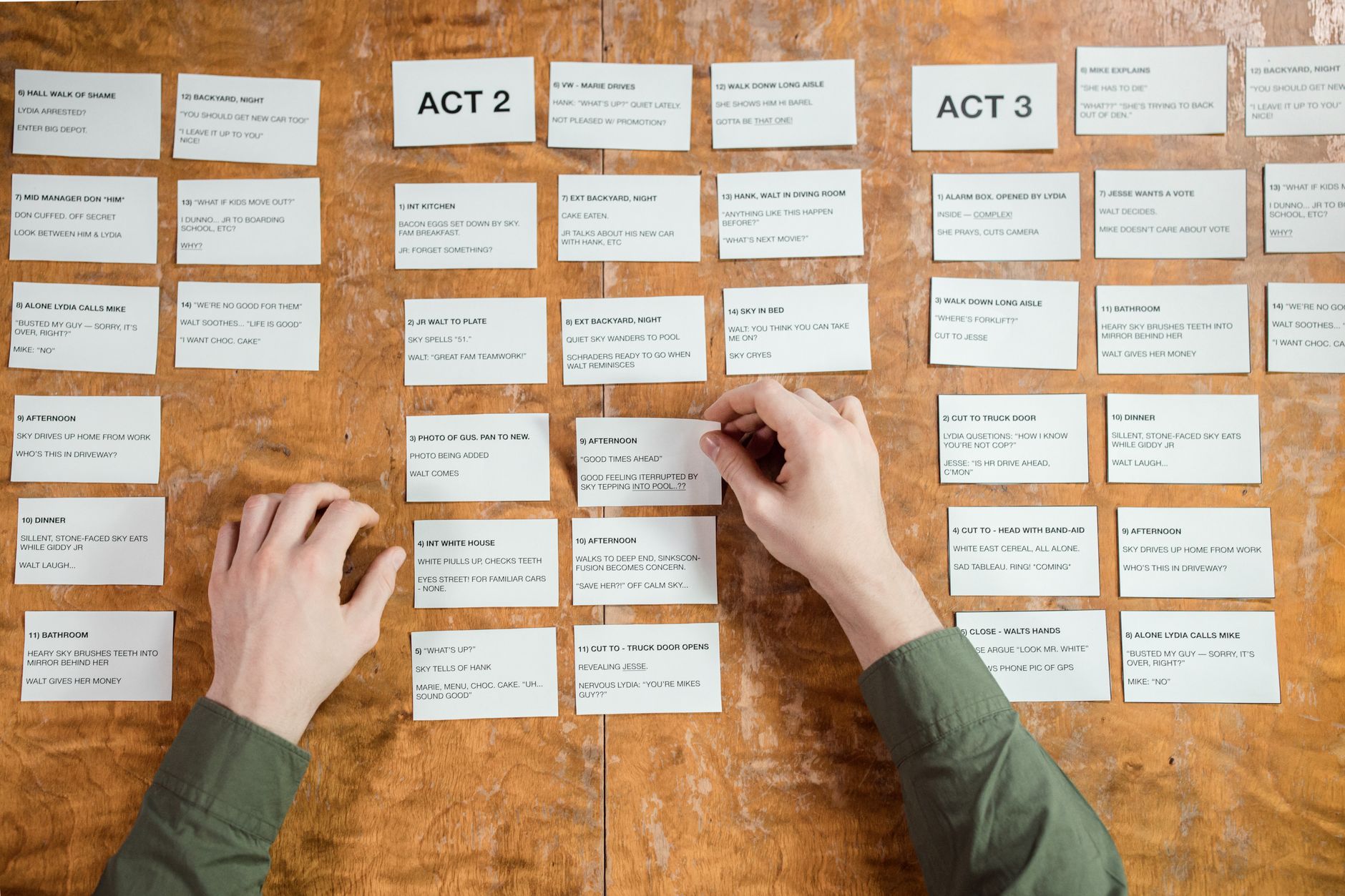
Testimonials work best as stories, not just praise. Identifying the customer’s journey — their problem, the solution, and the positive outcome — within the interview shapes a narrative that’s relatable and persuasive.
This story arc, drawn from the interview, makes a testimonial compelling. Finding the problem-solution-result structure in what the customer says, and editing to tell that story, gives the testimonial a relatable journey that resonates more than generic praise.

Cut the Interview Tight
Interview footage has rambling and pauses, so tightening is essential. Cutting the interview down to the strongest, clearest, most genuine statements keeps the testimonial focused and engaging, removing the filler that dilutes its impact.
This tightening, using our talking-head techniques, distills the customer’s message. Selecting the most powerful and authentic soundbites, and trimming everything else, gives the testimonial a tight, persuasive focus on what matters.

Add Supporting B-Roll
B-roll illustrates the testimonial and hides cuts. Cutting to B-roll of the customer, the product or service in use, and relevant scenes adds visual interest and covers the jump cuts from tightening the interview.
This B-roll makes the testimonial visual rather than a static talking head, and supports the story. Showing the customer’s context, the product they’re praising, and relevant imagery, while covering edits, keeps the testimonial engaging and reinforces the message.
Keep It Authentic
Testimonials lose power if they feel scripted or fake. Preserving the customer’s genuine tone, natural speech, and real emotion, rather than over-polishing, keeps the testimonial believable and trustworthy, which is its whole value.
The balance between polish and authenticity is delicate — too slick and it reads as an ad, too rough and it looks unprofessional. Keeping the customer’s real voice and emotion intact while presenting it cleanly is what makes a testimonial genuinely persuasive.
Add Branding and Graphics
Light branding adds professionalism. Adding the customer’s name and title, the company branding, and key quotes as clean graphics frames the testimonial professionally and reinforces who’s speaking and the brand they’re endorsing.
These graphics, built with our titles techniques and kept on-brand, add polish without undermining authenticity. A clean name lower third and tasteful branding give the testimonial a professional frame while keeping the focus on the customer’s genuine story.
Ensure Clear Audio
The customer’s words are everything in a testimonial, so audio is critical. Cleaning and balancing the interview audio, ensuring every word is clear, and adding subtle music keeps the testimonial professional and the message easy to absorb.
Since the spoken testimonial carries the persuasion, clean audio is essential, using our audio techniques. Clear, intelligible customer audio with light music underneath ensures the genuine message comes through and the video feels polished and trustworthy.
Testimonial Video Editing Best Practices
- Find the customer’s problem-solution-result story.
- Cut the interview tight to the strongest statements.
- Add supporting B-roll to illustrate and cover cuts.
- Keep it authentic and ensure clear audio.
Common Testimonial Mistakes
- Generic praise with no relatable story.
- A loose, rambling interview that dilutes the message.
- Over-polishing that makes it feel scripted and fake.
- Poor audio that obscures the customer’s words.
A Real Testimonial Edit Example
Imagine editing a customer testimonial for a software company. From a rambling twenty-minute interview you find the story — the customer’s old frustration, discovering the software, and the transformation in their business — and cut it to ninety tight, genuine seconds. B-roll of them working with the product covers the jump cuts, a clean name lower-third frames who’s speaking, and their real warmth and emotion stay fully intact.
Because you preserved the authentic voice while shaping a clear problem-solution-result story, the testimonial feels both genuine and persuasive, building real trust. That balance of authenticity and structure, supported by B-roll and clean audio, is exactly what makes a testimonial more convincing than any scripted ad.
Use Testimonials Across Marketing
A well-edited testimonial is versatile marketing material. The full testimonial works on a landing page, short punchy quote-clips suit social media, and a single powerful soundbite can anchor an ad, so cutting multiple versions from one interview multiplies its value across a company’s marketing.
Planning these cut-downs from the start, and reframing short clips for vertical with our Auto Reframe techniques, lets one customer interview serve many channels. This repurposing maximizes the trust-building power of authentic customer voices, which remain among the most persuasive assets in any marketing toolkit.
Testimonials and Social Proof
Testimonials work through social proof — the powerful influence of real people’s genuine experiences on others’ decisions. A believable testimonial reassures potential customers far more than a brand’s own claims, making authenticity its core value.
Editing must preserve this believability, since a testimonial that feels scripted or manipulated loses its persuasive power entirely. Keeping the customer’s genuine voice and emotion, while shaping a clear story, maintains the social proof that makes it work.
Leveraging authentic customer voices through honest, well-crafted testimonials builds the trust that drives decisions. Understanding that social proof depends on genuine believability shapes editing that’s persuasive precisely because it stays real and credible.
Testimonials and Variety
A single customer interview can yield many testimonial assets, from a full video to short quote clips to a single powerful soundbite. Cutting multiple versions for different placements multiplies the value of one authentic customer story across a company s marketing.
Planning these cut-downs from the start, and reframing short clips for social, lets one interview serve many channels. This repurposing maximizes the trust-building power of genuine customer voices, which remain among the most persuasive assets in any marketing toolkit.
Client testimonials are usually one piece of a larger corporate video editing project.
A convincing testimonial depends on how to shoot an interview properly to capture an authentic, well-framed subject.
Key Takeaways
- Testimonials build trust through authentic customer stories.
- Find the problem-solution-result story and cut tight.
- Add B-roll, branding, and keep it authentic.
- Ensure clear audio so the genuine message comes through.
Frequently Asked Questions
How do I edit a testimonial video?
Find the customer’s problem-solution-result story in the interview, cut it tight to the strongest and most genuine statements, add supporting B-roll to illustrate and cover cuts, keep it authentic, add light branding, and ensure clear audio.
How do I keep a testimonial authentic?
Preserve the customer’s genuine tone, natural speech, and real emotion rather than over-polishing. The balance between polish and authenticity is key — keep the real voice intact while presenting it cleanly, since authenticity is a testimonial’s whole value.
What makes a testimonial video persuasive?
A relatable story (the customer’s problem, the solution, and the positive result), authentic genuine emotion, tight focus on the strongest statements, supporting B-roll, clean audio, and professional branding that frames it without undermining authenticity.
Sources: Wikipedia’s overview of testimonials.
Build trust at Adobe Video World
Train hands-on with Adobe Certified Instructors across 100+ Premiere Pro & After Effects sessions.