A workflow taught by Adobe Certified Instructors at Adobe Video World.
The Wave Warp effect adds regular, rhythmic wave distortion to any layer — a more structured, repeating motion than turbulent noise. It’s perfect for flags, water surfaces, wavy text, and pulsing graphics. This guide explains Wave Warp’s controls, the different wave types, and how to use it for clean, rhythmic movement.
What Wave Warp Does
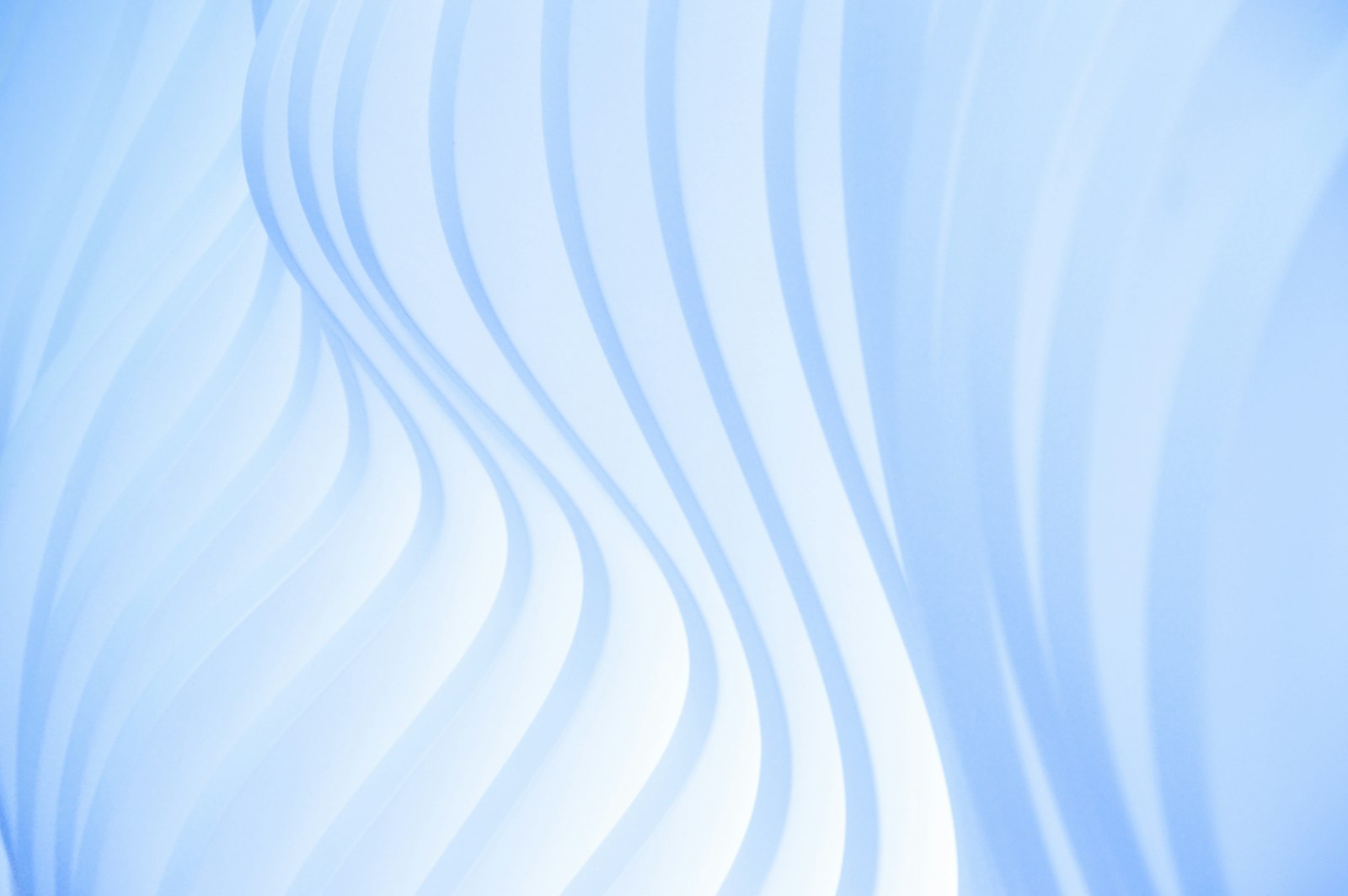
Wave Warp distorts a layer with a regular wave pattern that animates automatically, rippling the image in a steady, rhythmic motion. Unlike the irregular flow of turbulent noise, Wave Warp produces structured, repeating waves that move on their own.
This makes it ideal for effects with consistent, flowing motion — a fluttering flag, a wavy water line, or pulsing text. Because it animates without keyframes, Wave Warp is a quick way to add continuous, ordered movement to static elements.
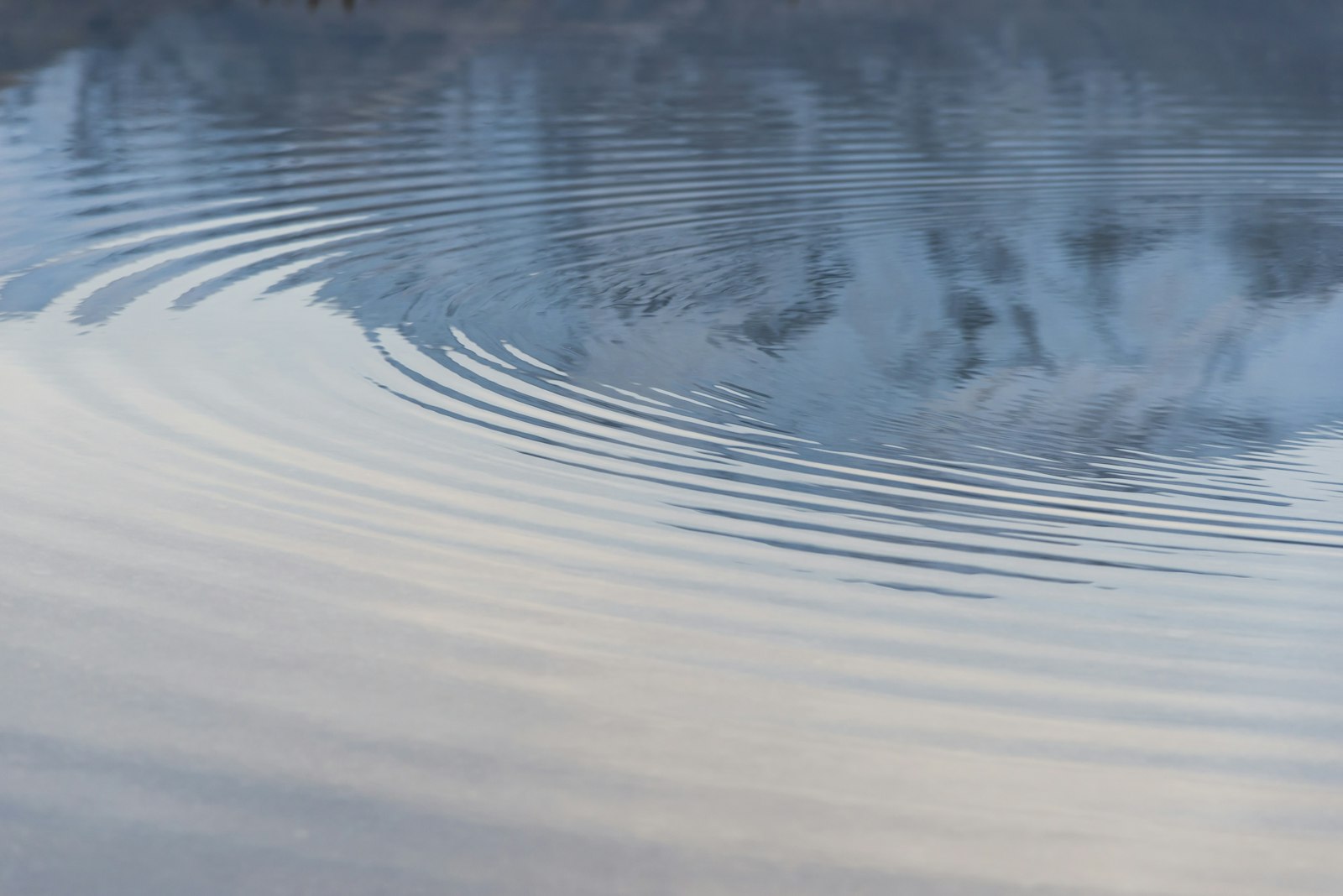
Apply Wave Warp
Apply Wave Warp from the Distort category to any layer, and it immediately begins rippling with a default wave motion. The effect animates by itself, so you’ll see the waves moving as soon as it’s applied, without setting a single keyframe.
From there, the effect’s controls shape the waves’ size, speed, and direction. This self-animating behavior makes Wave Warp especially fast to use — apply it, tune the controls, and you have continuous wave motion instantly.
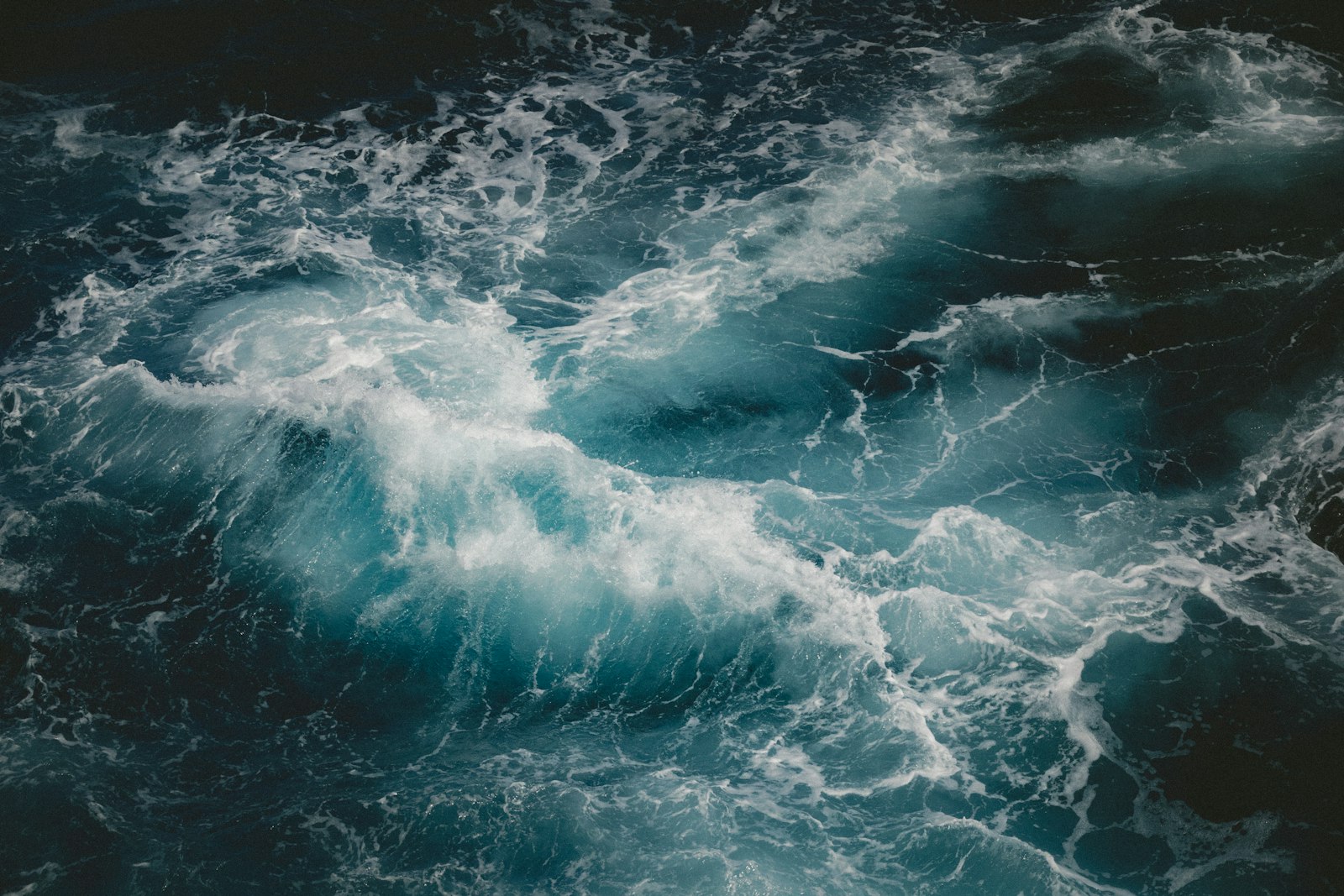
Control Wave Height and Width
Two key controls define the waves. Wave Height sets how far the distortion pushes the pixels — the amplitude — while Wave Width sets the distance between waves, controlling whether they’re tight ripples or broad, rolling swells.
Adjusting these shapes the entire character of the effect. Small height with narrow width gives a fine shimmer; large height with wide width gives sweeping, flag-like motion. Balancing them is the heart of dialing in the look you want.
Choose a Wave Type
Wave Warp offers several wave types — Sine, Square, Triangle, and others — each giving a different character of distortion. Sine produces smooth, natural waves, while Square and Triangle create sharper, more mechanical or rhythmic patterns.
Sine is the most common for natural effects like flags and water, but the other types are useful for stylized or technical motion. Trying different wave types reveals how dramatically they change the feel of the distortion.
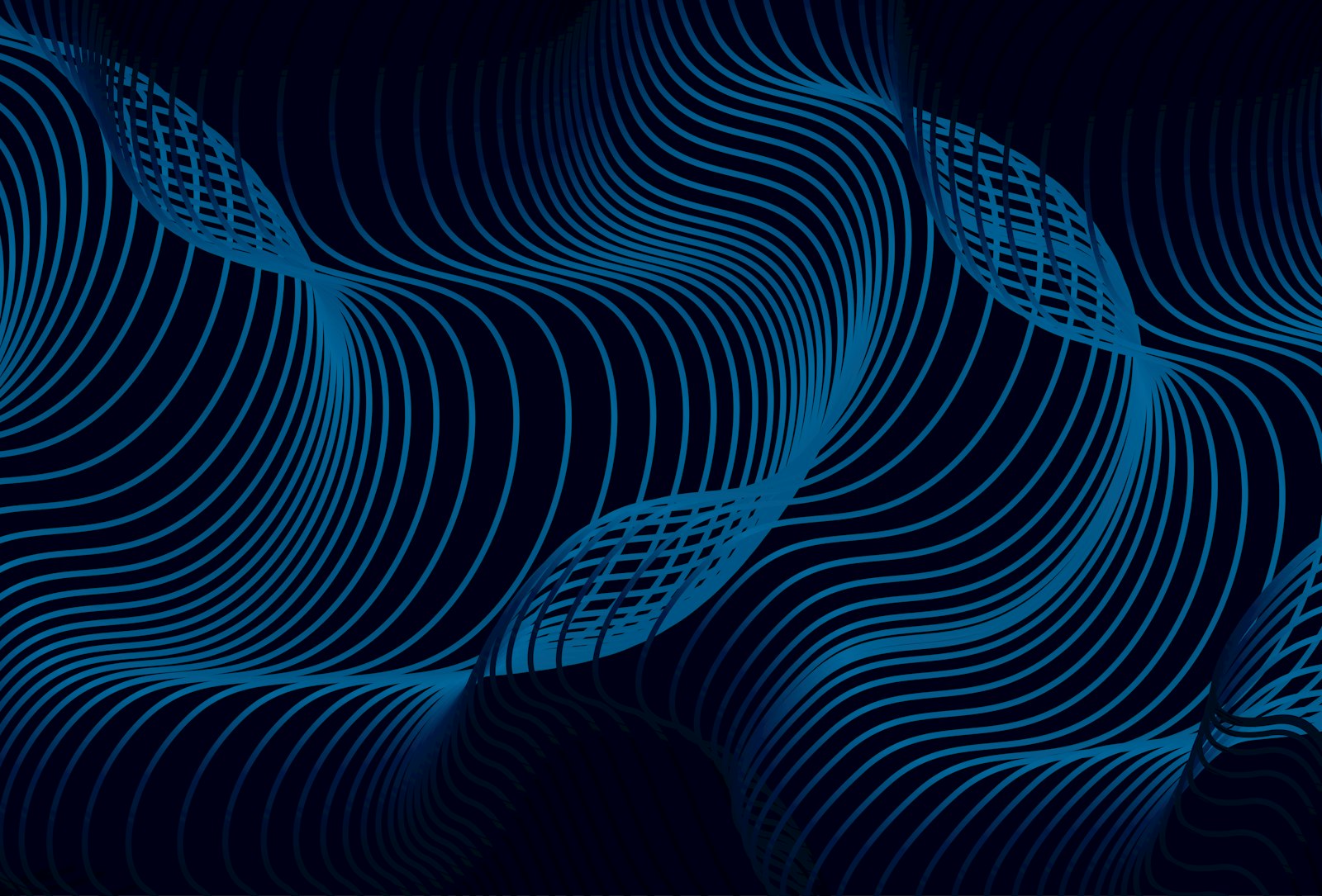
Set Direction and Speed
The Direction control sets the angle the waves travel, letting you ripple a layer horizontally, vertically, or diagonally to suit your effect. The Wave Speed controls how fast the waves animate, from a slow undulation to rapid rippling.
Combining direction and speed lets you aim and pace the motion precisely — slow horizontal waves for a calm water surface, faster ones for energetic flutter. These controls give Wave Warp its flexibility across many different looks.
Create a Waving Flag
Wave Warp makes a clean, controllable flag wave. Apply it to your flag graphic, choose a sine wave, and set the height and width so the fabric ripples convincingly, with the direction angled to suggest wind flowing across it.
Compared to turbulent distortion, Wave Warp gives a more regular, predictable flutter, which suits stylized or graphic flags well. Adding subtle shading that follows the waves sells the three-dimensional movement of the fabric.
Make Wavy Text and Water
Wave Warp adds rhythmic motion to text and creates water surfaces. A gentle sine wave makes text undulate playfully, while applied to a blue gradient or reflection, it produces a rippling water line.
These uses rely on the effect’s steady, repeating motion. For text, keep the waves subtle so it stays readable; for water, a slow, wide wave reads as a calm surface, demonstrating how versatile this single effect is.
Wave Warp vs. Turbulent Displace
Wave Warp and Turbulent Displace both distort layers, but differently. Wave Warp creates regular, repeating waves, while Turbulent Displace creates irregular, organic noise-based distortion.
Use Wave Warp when you want structured, rhythmic motion, and Turbulent Displace when you want natural randomness. Many artists combine the two — Wave Warp for the main rhythm and a touch of turbulence for organic variation — for the most convincing results.
Wave Warp Best Practices
- Adjust Wave Height and Width to shape the ripples.
- Choose Sine for natural waves, other types for stylized motion.
- Set direction and speed to aim and pace the movement.
- Combine with Turbulent Displace for organic variation.
Common Wave Warp Mistakes
- Wave height so large the layer becomes unreadable.
- Using a harsh wave type where Sine would look natural.
- Speed too fast, making the motion frantic.
- Relying on its regularity where organic noise fits better.
A Real Wave Warp Example
Imagine creating a calm lake surface for a title card. You take a blue gradient with a faint reflection, apply Wave Warp with a sine wave, set a wide width and small height, and angle the direction so the ripples roll gently across the frame. The flat gradient becomes a serene, slowly undulating water surface.
Lowering the wave speed keeps it tranquil rather than choppy, and a soft glow on the highlights suggests sunlight catching the ripples. Because Wave Warp animates on its own, the whole effect needs no keyframes — a few well-chosen settings turn a static gradient into a living water surface ready to sit behind your title.
Wave Warp for Audio-Reactive Motion
Wave Warp becomes especially fun when its properties are driven by music. Linking the wave height to an audio amplitude, using an expression, makes a layer ripple harder on the beat and settle in quiet moments, creating motion that pulses in time with a track. It’s a quick route to audio-reactive graphics.
This pairs naturally with the music-driven work in our audio spectrum guide, where visuals respond to sound. A wavy line or surface that swells with the bass adds energy to lyric videos and music promos, and because Wave Warp is so controllable, the reaction stays clean and rhythmic rather than chaotic.
A Real Wave Warp Flag Example
Picture animating a national flag for a sports broadcast graphic. You apply Wave Warp to the flat flag artwork, choose a sine wave, set a moderate height and a fairly wide width, and angle the direction so the ripples travel diagonally as if a breeze is crossing the fabric. The stiff image immediately starts fluttering with a steady, believable rhythm.
To finish, you add a soft moving shadow that follows the waves, giving the flag a sense of three-dimensional depth as it ripples. Because Wave Warp animates on its own, the whole effect takes seconds to set up — a perfect demonstration of how this one self-animating effect turns a flat graphic into convincing, broadcast-ready motion.
When a simple wave isn’t enough, the mesh warp effect in After Effects lets you push and pull specific regions of the frame freely.
A rippling wave wrapped into a circle shows how the After Effects polar coordinates effect transforms ordinary footage.
A wobbling, wave-warped source produces mesmerizing results inside the After Effects kaleidoscope effect.
For gritty, irregular borders rather than smooth ripples, the roughen edges effect in After Effects breaks up clean edges with noise.
Key Takeaways
- Wave Warp adds regular, self-animating wave distortion.
- Wave Height and Width control amplitude and spacing.
- Wave type, direction, and speed shape the motion.
- Pair it with Turbulent Displace for organic variation.
Frequently Asked Questions
What does the Wave Warp effect do in After Effects?
Wave Warp distorts a layer with a regular, self-animating wave pattern, creating rhythmic rippling motion. It’s used for flags, water surfaces, wavy text, and pulsing graphics, and animates without any keyframes.
What’s the difference between Wave Warp and Turbulent Displace?
Wave Warp creates regular, repeating waves, while Turbulent Displace creates irregular, organic noise-based distortion. Use Wave Warp for structured rhythmic motion and Turbulent Displace for natural randomness.
How do I control the waves in Wave Warp?
Wave Height sets the amplitude (how far pixels push), Wave Width sets the spacing between waves, and the wave type, direction, and speed shape the character, angle, and pace of the motion.
Sources: Adobe’s guide to the distort effects behind Wave Warp in After Effects.
Make waves at Adobe Video World
Train hands-on with Adobe Certified Instructors across 100+ Premiere Pro & After Effects sessions.