A workflow taught by Adobe Certified Instructors at Adobe Video World.
Visual storytelling conveys narrative, emotion, and meaning through images rather than words — the heart of compelling video. From composition to color to editing rhythm, every visual choice tells part of the story. This guide covers the techniques of visual storytelling, so your videos communicate and move audiences through what they see.
What Visual Storytelling Is
Visual storytelling uses images, composition, movement, and editing to convey narrative and emotion without relying on words. It’s the principle that film is a visual medium, where what you show and how you show it carries the story.
Great video tells much of its story visually, letting the images speak. Understanding that every frame and cut communicates something, and using visuals deliberately to convey meaning, is what distinguishes powerful video from footage that merely records events.
Use Composition to Convey Meaning
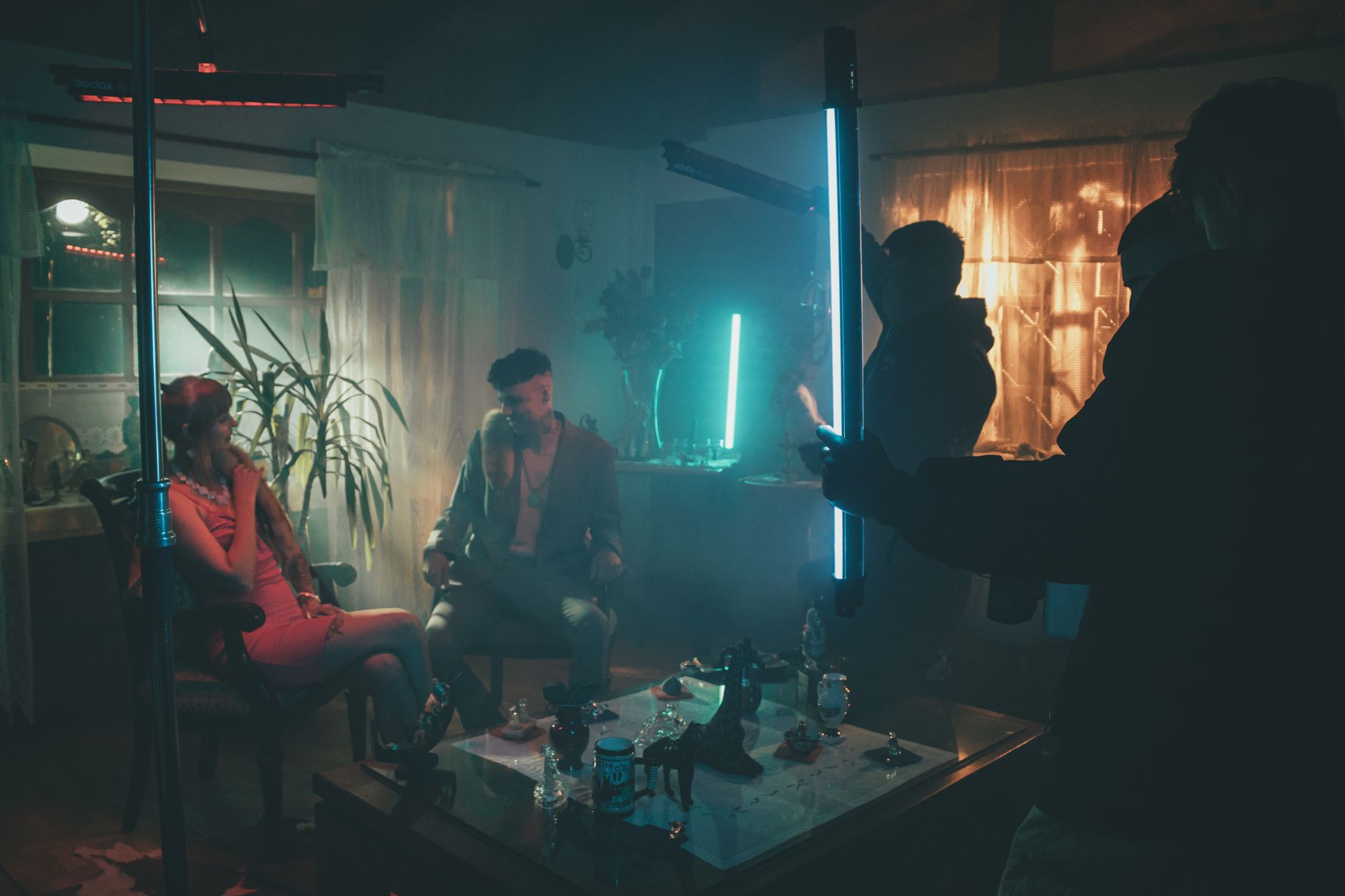
Composition shapes how viewers feel about a scene. The framing, placement, and balance of elements, using our composition principles, convey power, isolation, intimacy, or tension before any action occurs.
Where you place a subject and how you frame them carries meaning — a small figure in a vast frame feels isolated, a tight close-up feels intimate. Using composition deliberately to evoke the right feeling is a core visual storytelling tool.
Show, Don’t Tell
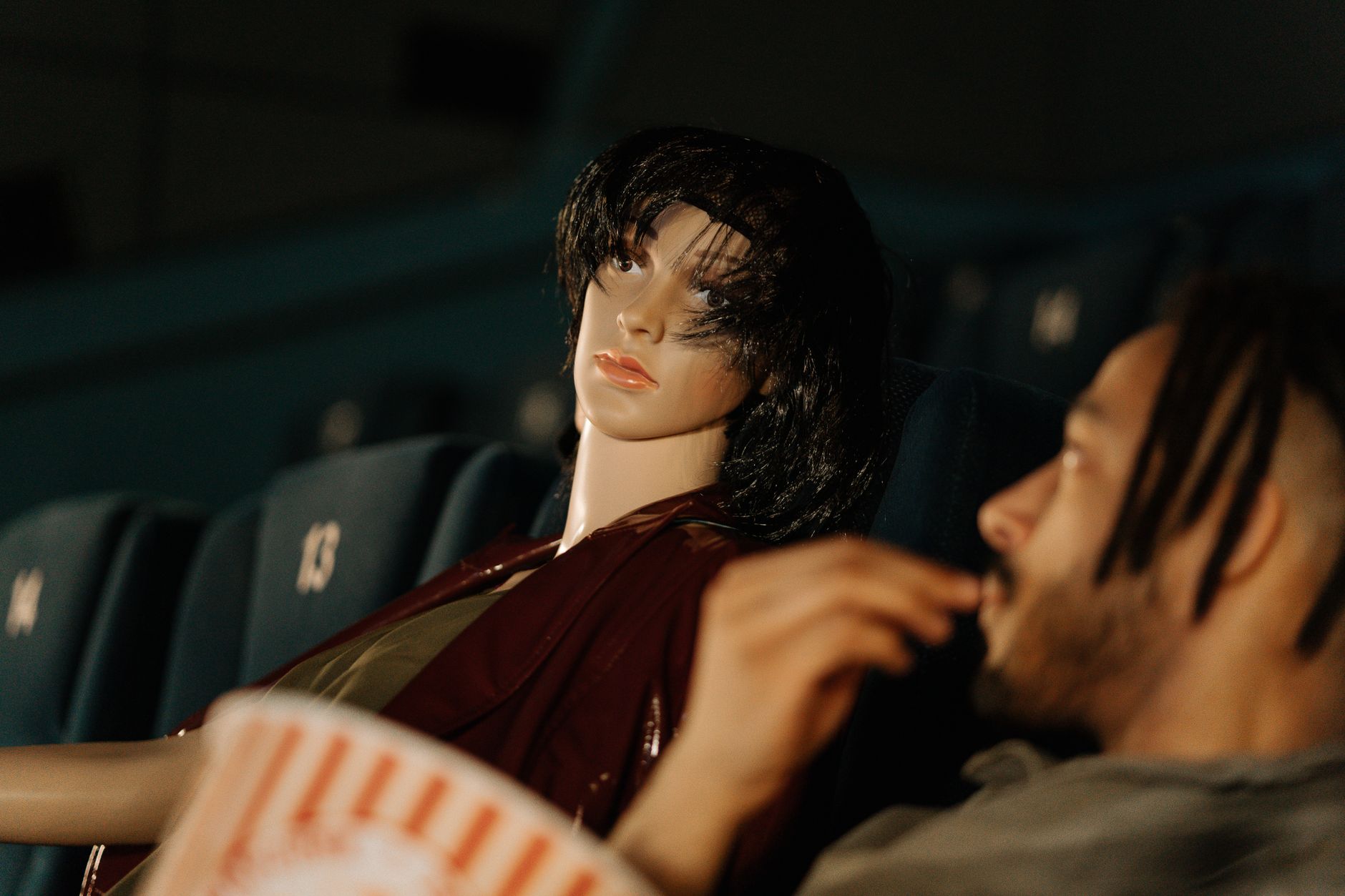
The golden rule of visual storytelling is showing rather than explaining. Conveying information and emotion through what’s visible — actions, expressions, environments — rather than dialogue or narration, lets the audience experience the story directly.
A character’s worried expression or a cluttered room shows more than words could explain. Trusting the visuals to communicate, and showing the story through images rather than telling it, is the essence of compelling, cinematic visual storytelling.
Use Color and Light
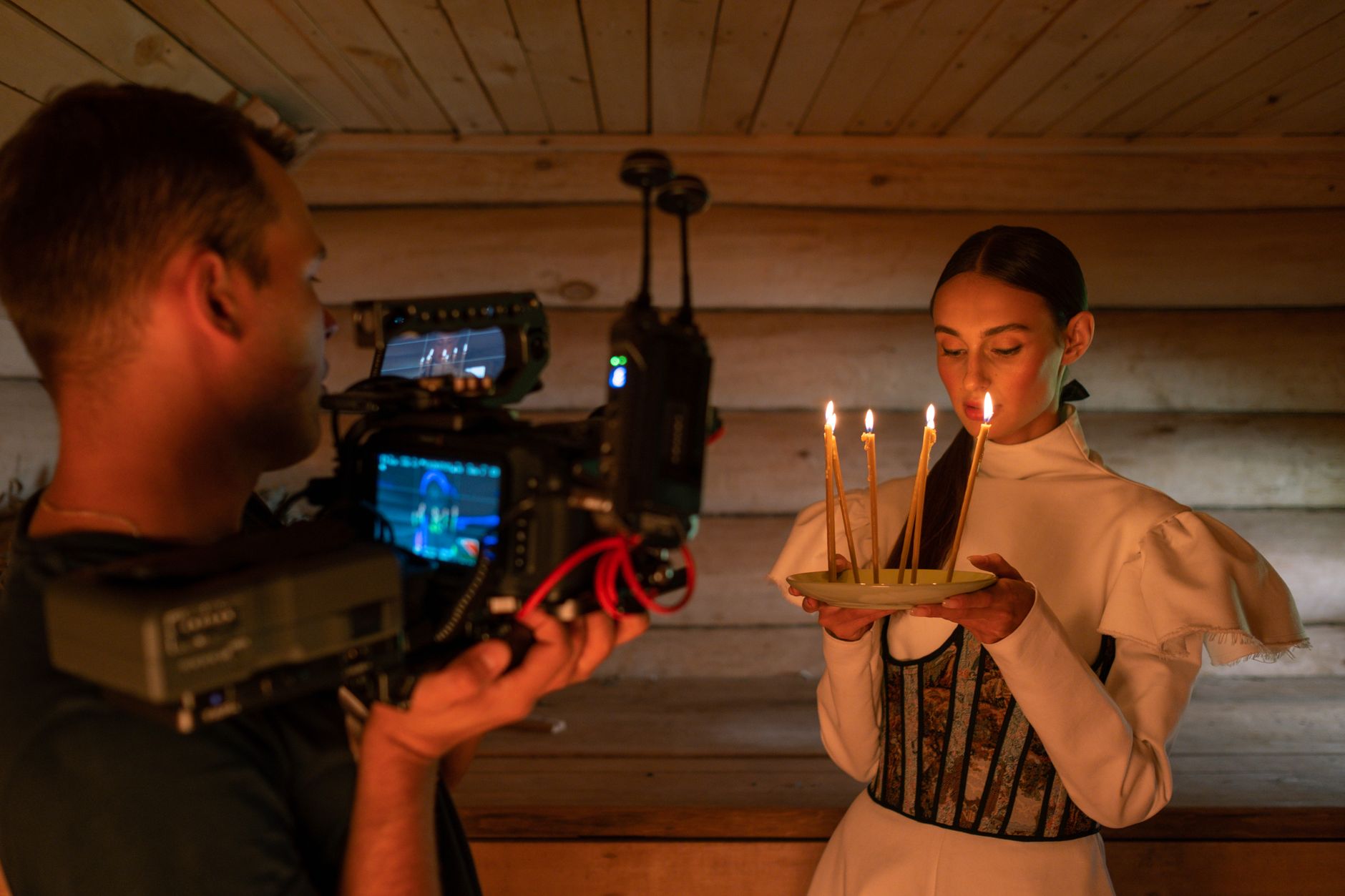
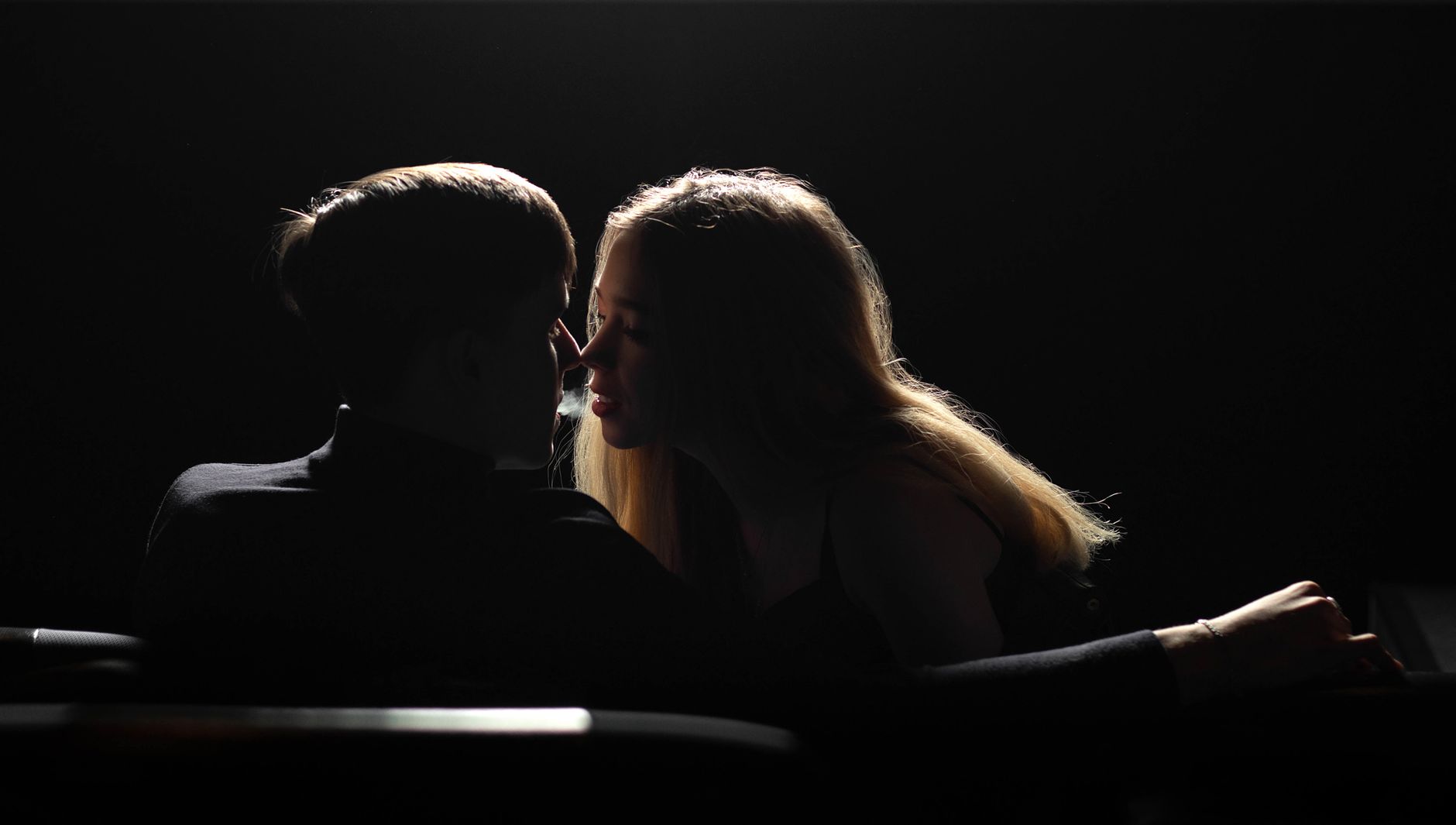
Color and light carry emotion and meaning. Using color to evoke mood and lighting to shape feeling — warm and bright for joy, cold and dark for tension — tells the emotional story visually.
These elements communicate before the viewer is consciously aware, setting tone and mood. Deliberately using color palettes and lighting to support the story’s emotion is a powerful visual storytelling technique that shapes how audiences feel about every scene.
Use Movement and Pacing
Camera movement and editing pace tell the story’s rhythm. Smooth or energetic movement and the pacing of cuts convey energy, calm, tension, or excitement, shaping the emotional experience.
How the camera moves and how quickly you cut communicate the story’s energy and mood. Using movement and pacing deliberately — slow and smooth for calm, fast and dynamic for excitement — adds a kinetic layer to the visual storytelling.
Use Contrast and Juxtaposition
Contrast and juxtaposition create meaning through comparison. Placing contrasting images, scenes, or ideas next to each other — through editing or within the frame — generates meaning and emotion from their relationship, a powerful storytelling device.
Cutting from chaos to calm, or juxtaposing wealth and poverty, makes a point without words. Using contrast and the relationship between shots, drawing on our editing techniques, creates meaning that emerges from the visual comparison.
Guide the Viewer’s Eye
Visual storytelling directs attention deliberately. Using composition, focus, movement, and contrast to guide the viewer’s eye to what matters ensures they see and feel what the story intends, controlling their experience moment to moment.
Leading the eye with leading lines, focus, and contrast directs the audience’s attention purposefully. This control over where viewers look, and therefore what they understand and feel, is a fundamental skill in telling a clear, intentional visual story.
Visual Storytelling Best Practices
- Use composition to convey meaning and feeling.
- Show the story through images rather than telling it.
- Use color, light, movement, and pacing to evoke emotion.
- Use contrast and guide the viewer’s eye deliberately.
Common Visual Storytelling Mistakes
- Relying on words instead of showing the story visually.
- Composition and color that don’t support the emotion.
- Pacing and movement that contradict the mood.
- Letting the viewer’s eye wander without direction.
A Real Visual Storytelling Example
Picture telling a story of loneliness without a word of dialogue. You frame the character small and off-center in a vast empty room, drain the color to cold blues, hold the shots long and still, and let their slumped posture and distant gaze carry the feeling. A single warm photograph on the wall, isolated in the cold frame, hints at what they’ve lost.
The audience feels the loneliness entirely through composition, color, pacing, and contrast, never being told. That is visual storytelling at work — every choice from framing to grade conveying emotion and meaning, proving that film communicates most powerfully through what it shows rather than what it says.
Visual Motifs and Symbolism
Recurring visual motifs deepen storytelling. A color, object, or image that returns throughout a video can carry symbolic meaning, link scenes thematically, and reward attentive viewers, adding a layer of richness beneath the surface narrative that resonates emotionally.
Using a consistent visual motif — a recurring color tied to a character, an object that reappears at key moments — gives a video thematic depth. This subtle, sophisticated technique, layered with the composition and color choices that drive visual storytelling, rewards the audience and elevates the craft beyond the literal.
Visual Storytelling Across Formats
Visual storytelling isn’t only for narrative films — it powers ads, music videos, documentaries, and even corporate content. Any video benefits from conveying its message through compelling images rather than relying on words, since the visual language engages audiences more deeply than exposition alone.
Applying visual storytelling to commercial and informational content, showing rather than telling, makes it far more engaging and memorable. Combined with the structural tools in our three-act structure guide, visual storytelling techniques turn any video, whatever its purpose, into something that genuinely connects with viewers.
Visual Storytelling and the Edit
Much of visual storytelling happens in the edit, where the juxtaposition and sequence of images create meaning beyond any single shot. The way you order and combine visuals, through editing, shapes the story as powerfully as the shots themselves.
This means visual storytelling isn’t only a shooting concern but an editing craft, with the cut as a storytelling tool. Choosing what to show, in what order, and how shots relate is where much of a video’s visual meaning is constructed.
Combining strong visual shooting with thoughtful editing, where the sequence of images tells the story, creates truly powerful visual narrative. Understanding that the edit is central to visual storytelling, alongside composition and color, completes your command of telling stories through images.
Letting images and natural moments carry the meaning is what distinguishes editing documentaries.
Key Takeaways
- Visual storytelling conveys narrative and emotion through images.
- Use composition, color, light, movement, and pacing deliberately.
- Show the story rather than telling it.
- Use contrast and guide the viewer’s eye.
Frequently Asked Questions
What is visual storytelling?
Visual storytelling uses images, composition, movement, color, and editing to convey narrative and emotion without relying on words. It’s the principle that film is a visual medium, where what you show and how you show it carries the story.
What does ‘show, don’t tell’ mean in video?
It means conveying information and emotion through what’s visible — actions, expressions, environments — rather than explaining through dialogue or narration. A character’s worried expression shows more than words could, letting the audience experience the story directly.
How do I tell a story visually?
Use composition to convey meaning, color and light to evoke emotion, movement and pacing to set rhythm, contrast and juxtaposition to create meaning through comparison, and guide the viewer’s eye deliberately to what matters.
Sources: Wikipedia’s overview of visual narrative.
Tell stories with images at Adobe Video World
Train hands-on with Adobe Certified Instructors across 100+ Premiere Pro & After Effects sessions.