A workflow taught by Adobe Certified Instructors at Adobe Video World.
Many people don’t realize Photoshop can edit video, but it includes a capable timeline for trimming clips, adding text and effects, and exporting short videos and animated GIFs. It’s no replacement for Premiere Pro, but it’s perfect for quick edits and for editors who already know Photoshop. This guide covers what it can do and when to use it.

When to Edit Video in Photoshop
Photoshop’s video tools suit small, simple jobs: a quick trim, a short social clip, an animated GIF, or applying Photoshop’s renowned image adjustments to footage. If you already live in Photoshop, it can be faster than opening a full editor for a tiny task.
For anything substantial — multi-track timelines, complex audio, long edits — Premiere Pro is the right tool. Photoshop is best thought of as a handy bonus for short clips and for leveraging its image-editing strengths on video frames.
Open the Video Timeline
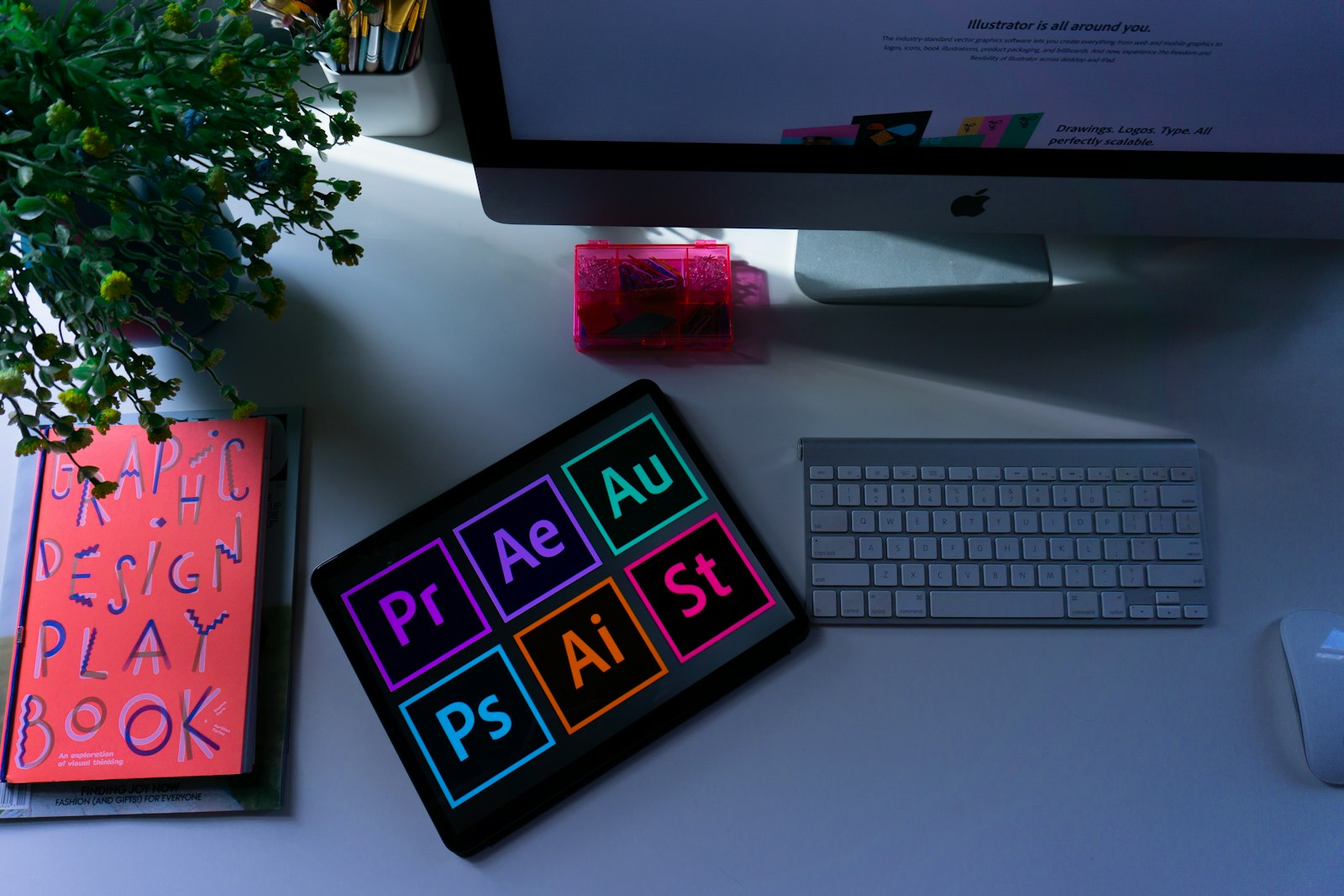
Video editing in Photoshop happens in the Timeline panel. Open it via Window > Timeline, then choose Create Video Timeline, and a timeline appears at the bottom of the workspace ready to hold video clips and layers.
This timeline works alongside Photoshop’s familiar layers, so each video clip and graphic is a layer you can stack and arrange. If you know Photoshop’s layer system, the video timeline will feel immediately approachable.
Import and Arrange Clips
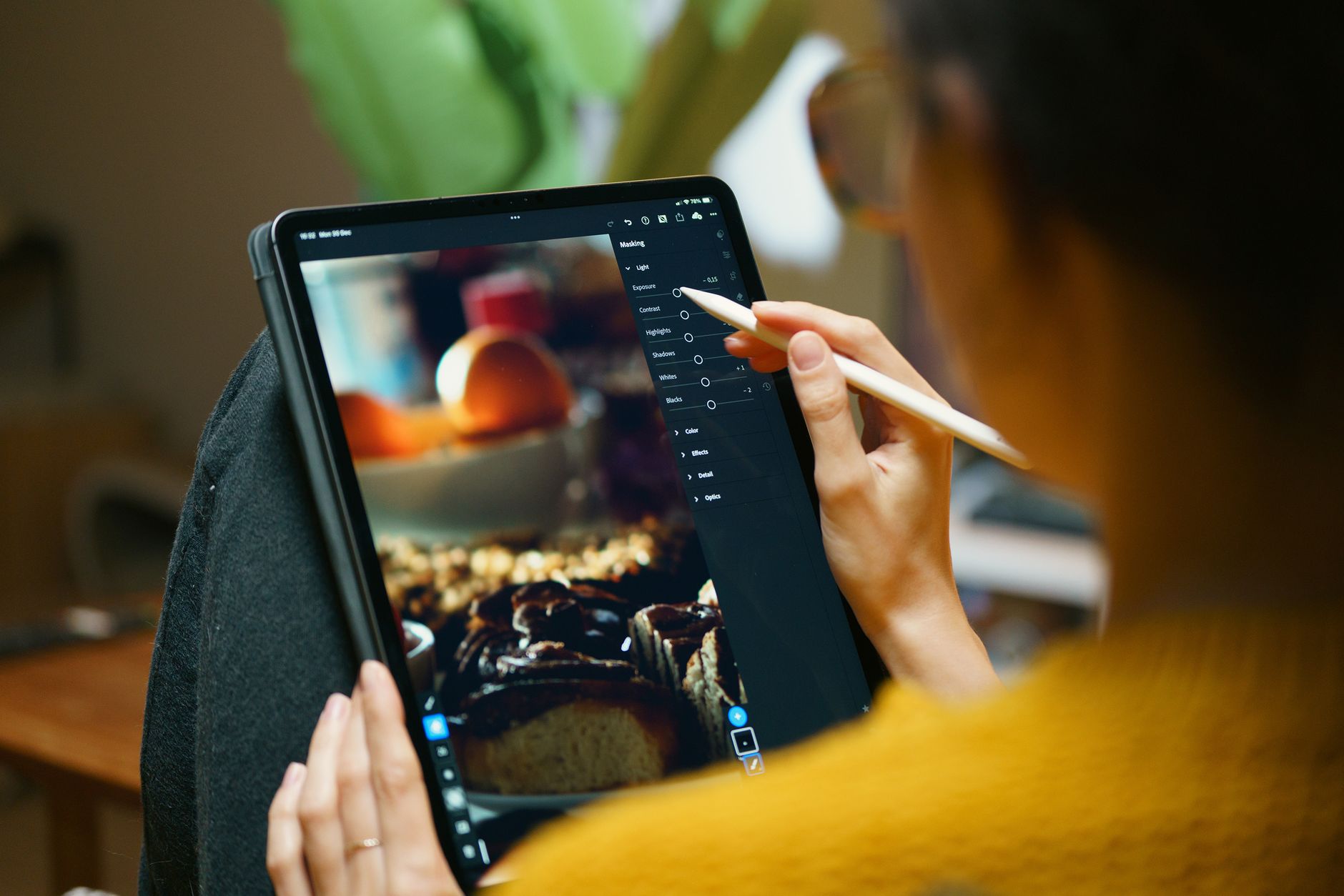
Add footage with Layer > Video Layers > New Video Layer from File, or drag clips in, and they appear on the timeline. You can place several clips in sequence to play one after another, or stack them on separate tracks.
Arranging clips is as simple as dragging them along the timeline. While it lacks the depth of a dedicated editor, this is enough to assemble a short sequence of clips into a simple, continuous video.
Trim Clips on the Timeline
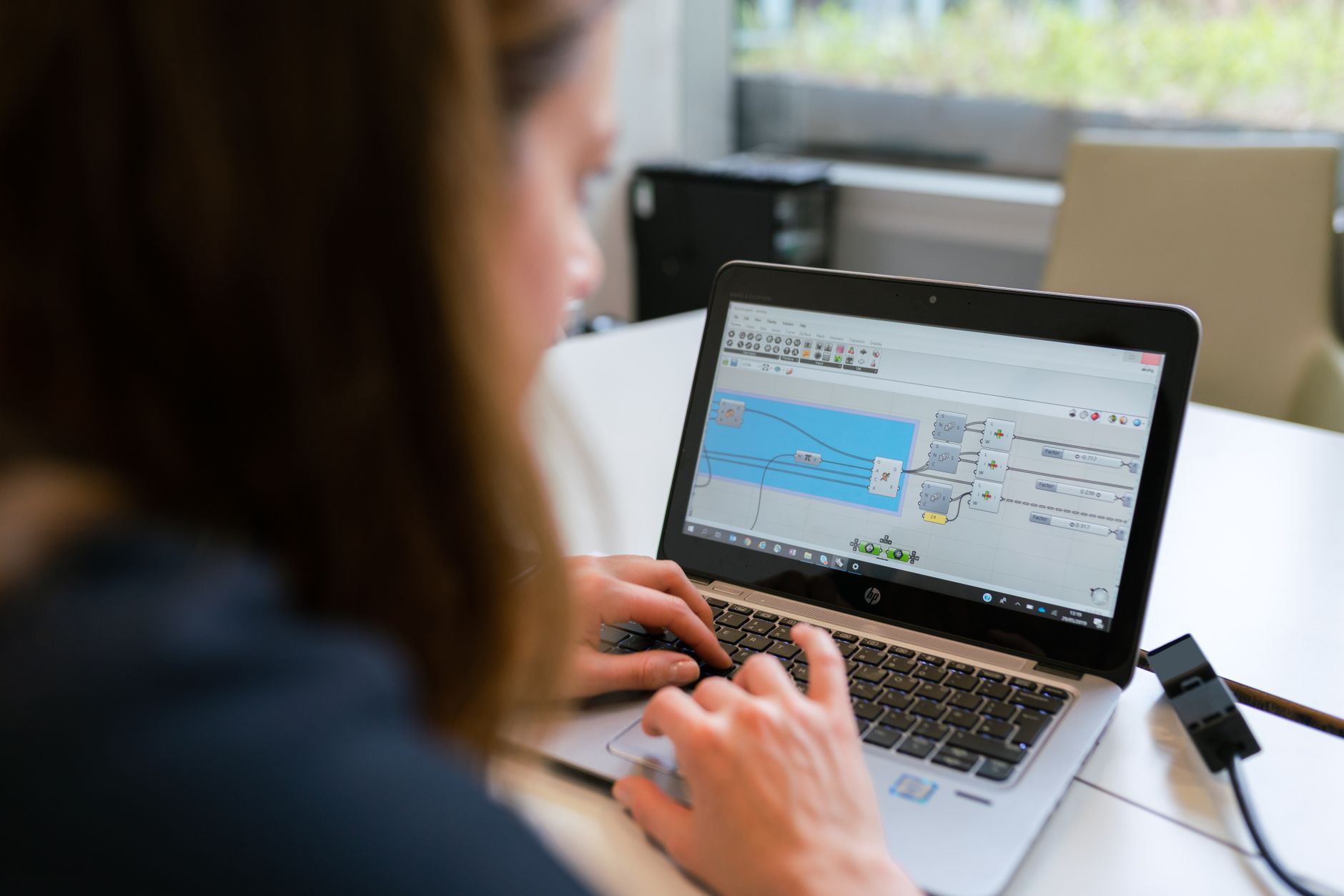
Trimming in Photoshop is straightforward: drag the ends of a clip on the timeline to shorten it, removing unwanted footage from the start or finish. You can split and rearrange clips to build the order you want.
It’s the same basic trimming concept as in Premiere, just simpler, covered more fully in our cutting and trimming guide. For quick edits, dragging clip edges is all you need to tidy up your footage.
Add Text and Graphics
Photoshop’s real strength is design, so adding text and graphics to video is where it shines. Create text layers and shapes exactly as you would on an image, and they overlay your footage on the timeline, with Photoshop’s full typography and layer styles available.
This makes Photoshop genuinely useful for adding polished titles and graphics to a short clip. The same design tools you use for posters and web graphics apply directly to video frames, often giving you finer typographic control than a basic video editor.
Apply Adjustment Layers and Filters
You can color-grade and stylize video with Photoshop’s adjustment layers. Add a Curves, Levels, or Hue/Saturation adjustment layer above your clip, and it affects the footage just as it would an image, bringing Photoshop’s powerful color tools to video.
Smart Filters can apply effects across a clip too. This access to Photoshop’s deep image-editing toolkit, related to the color work in our color grading guide, is a genuine reason to edit certain clips here.
Animate with Keyframes
Photoshop’s timeline supports basic keyframe animation. You can keyframe a layer’s position, opacity, and style over time, animating text sliding in or a graphic fading up, much like a simplified version of After Effects.
It won’t replace dedicated motion graphics software, but it’s capable enough for simple animated titles and moving elements. For quick animated graphics or GIFs, these keyframe tools handle the job without leaving Photoshop.
Export Video and GIFs
When you’re done, export via File > Export > Render Video for a standard video file, choosing your format and quality. For animated GIFs, use Save for Web, which is Photoshop’s classic and still-excellent GIF export.
This GIF capability is one of Photoshop’s standout video uses, making it a favorite for creating short animated loops. For full video projects, though, the export options of Premiere Pro give you far more control over codecs and delivery.
Photoshop Video Best Practices
- Use Photoshop for short clips, GIFs, and design-heavy overlays.
- Create a Video Timeline and treat clips as layers.
- Lean on text, graphics, and adjustment layers — its strengths.
- Export video with Render Video, or GIFs with Save for Web.
Common Photoshop Video Mistakes
- Using Photoshop for large edits better suited to Premiere.
- Overlooking its excellent text and adjustment-layer tools.
- Expecting multi-track audio and advanced editing features.
- Forgetting Save for Web for high-quality animated GIFs.
A Real Animated GIF Example
Say you want a looping reaction GIF from a short clip. You import the footage into Photoshop’s Video Timeline, trim it down to the exact moment, add a caption as a text layer, then maybe a quick Curves adjustment to brighten it. The whole edit takes a couple of minutes inside an app you already know.
Then you use Save for Web, set the format to GIF, and tune the colors and size for a small, smooth loop. Photoshop’s GIF export remains one of the best around, which is why it stays a go-to for quick animated loops, memes, and short social snippets long after the rise of dedicated video tools.
Bring Photoshop Designs into Video
One of the best reasons to know Photoshop’s video tools is moving designs between the two worlds. A title card, lower-third, or graphic you design in Photoshop can be animated right there for a quick job, or imported into Premiere and After Effects with its layers intact for deeper animation.
Because so much broadcast and YouTube graphic design starts in Photoshop, this bridge is genuinely useful. Designing in the tool you know best and then finishing in a video app, as the round-trip in our titles guide shows, plays to each program’s strengths.
Key Takeaways
- Photoshop edits short videos and GIFs on its Video Timeline.
- Clips are layers, so the workflow feels familiar.
- Its text, graphics, and adjustment layers are real strengths.
- Use it for quick jobs; use Premiere Pro for full projects.
Frequently Asked Questions
Can you edit video in Photoshop?
Yes. Photoshop includes a Video Timeline (Window > Timeline > Create Video Timeline) where you can import, trim, and arrange clips, add text and adjustment layers, animate with keyframes, and export video or animated GIFs.
Should I edit video in Photoshop or Premiere Pro?
Use Photoshop for short clips, animated GIFs, and design-heavy overlays where its text and image tools shine. Use Premiere Pro for full projects with multi-track timelines, complex audio, and longer edits.
How do I export video from Photoshop?
Use File > Export > Render Video for a standard video file, choosing your format and quality. For animated GIFs, use Save for Web, which remains Photoshop’s excellent classic GIF export.
Sources: Adobe’s guide to editing video in Photoshop.
Expand your skills at Adobe Video World
Train hands-on with Adobe Certified Instructors across 100+ Premiere Pro & After Effects sessions.