A workflow taught by Adobe Certified Instructors at Adobe Video World.
Lenses shape the look of your video as much as the camera — focal length, aperture, and lens type all affect field of view, depth of field, and feel. Choosing the right lens for each shot is a key cinematography skill. This guide explains focal length, prime versus zoom lenses, and how to choose lenses for video.
Why Lens Choice Matters
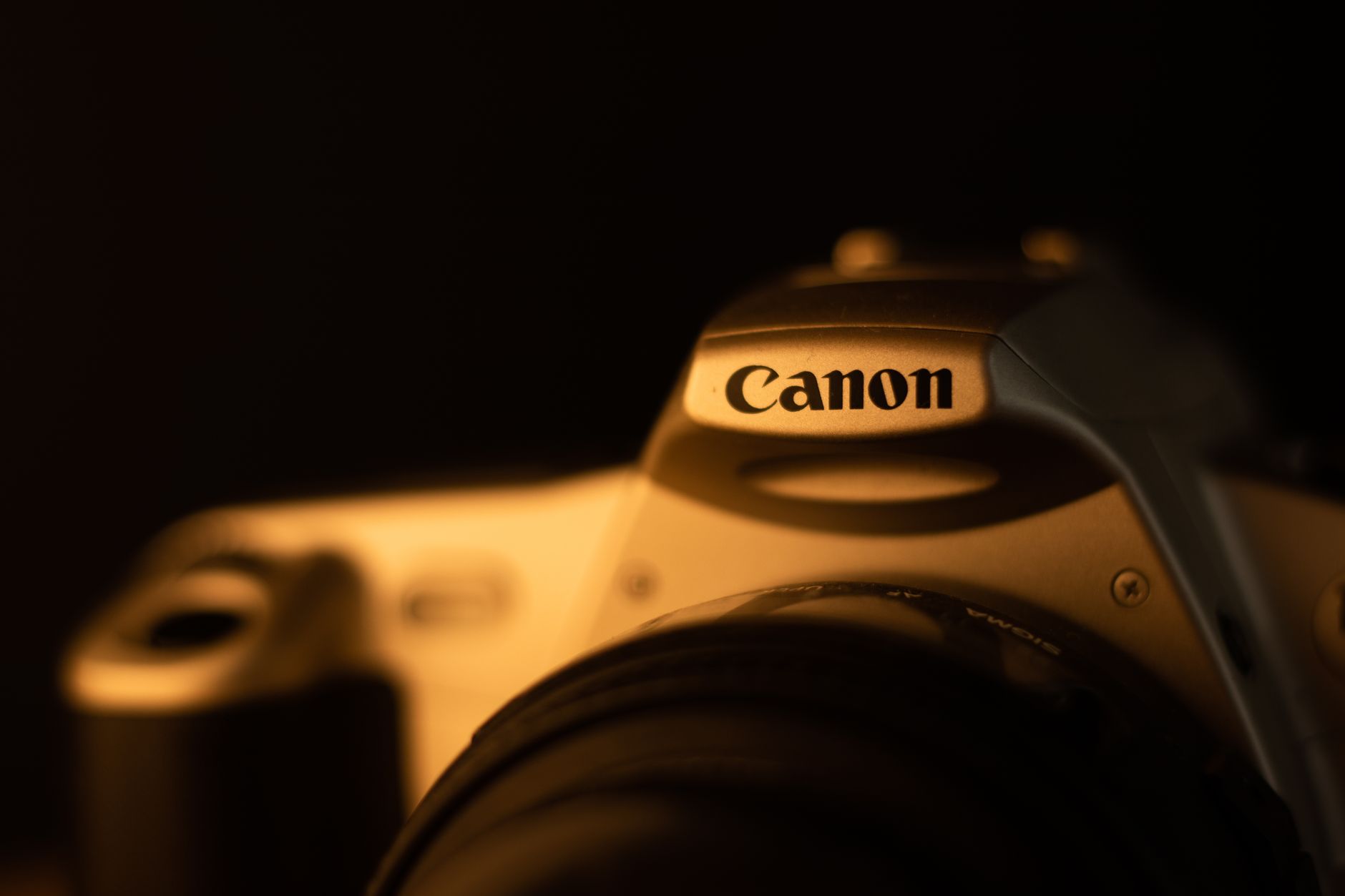
The lens determines your field of view, how much background blur you get, the perspective, and the overall character of the image. Two lenses on the same camera produce dramatically different looks, making lens choice a major creative decision.
Understanding lenses lets you choose deliberately for each shot, controlling the framing, depth of field, and feel. This knowledge is as important as understanding the camera, since the lens shapes so much of how your footage looks.
Understand Focal Length
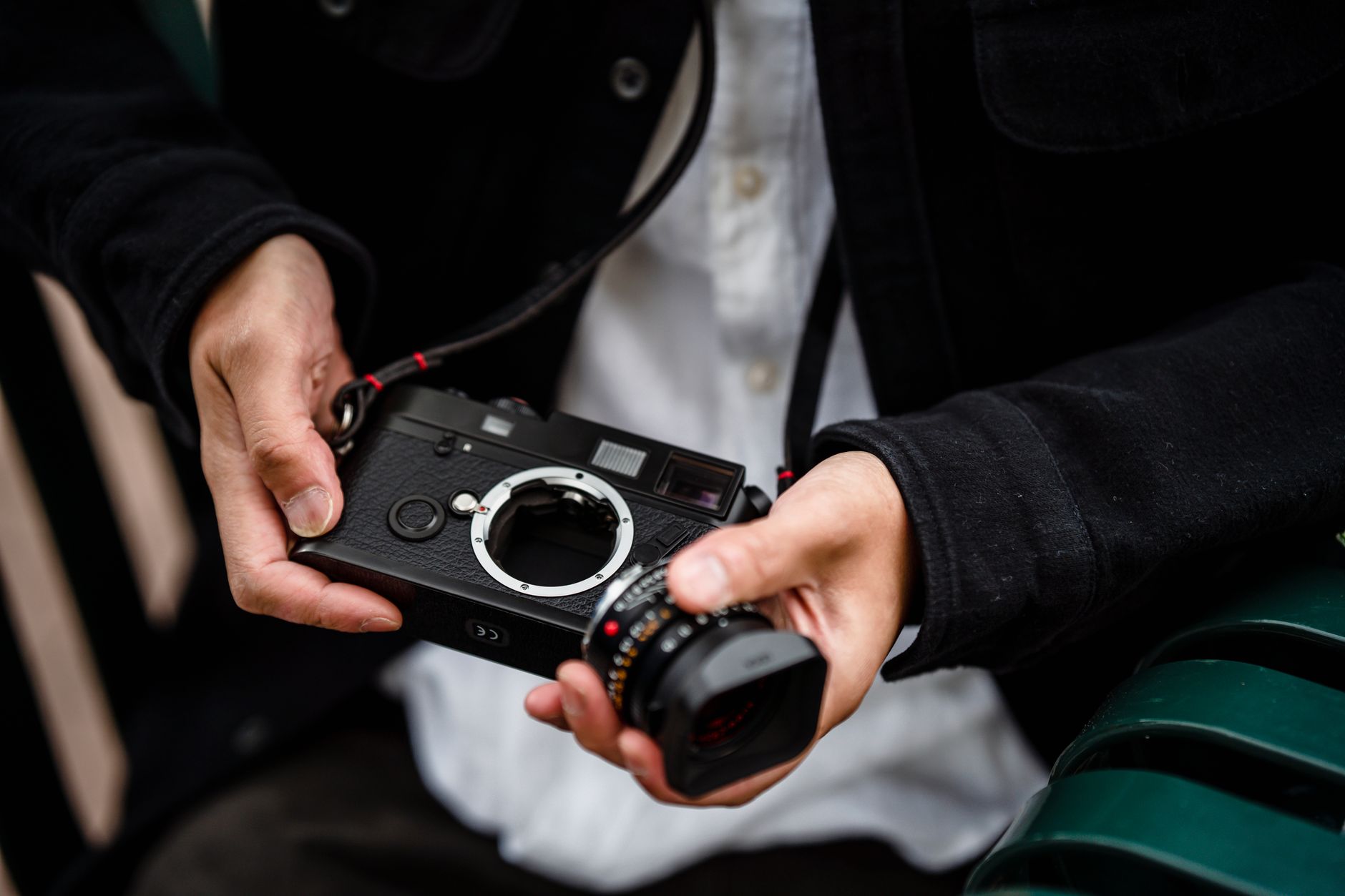
Focal length, measured in millimeters, determines how zoomed-in or wide a lens is. A short focal length (like 16mm) is wide-angle, capturing a broad view, while a long focal length (like 85mm) is telephoto, zoomed in and tight.
Focal length controls your field of view and affects perspective and depth of field. Wide lenses capture more and exaggerate depth, while long lenses compress and isolate, so choosing focal length shapes both framing and the feel of your shot.
Wide-Angle Lenses
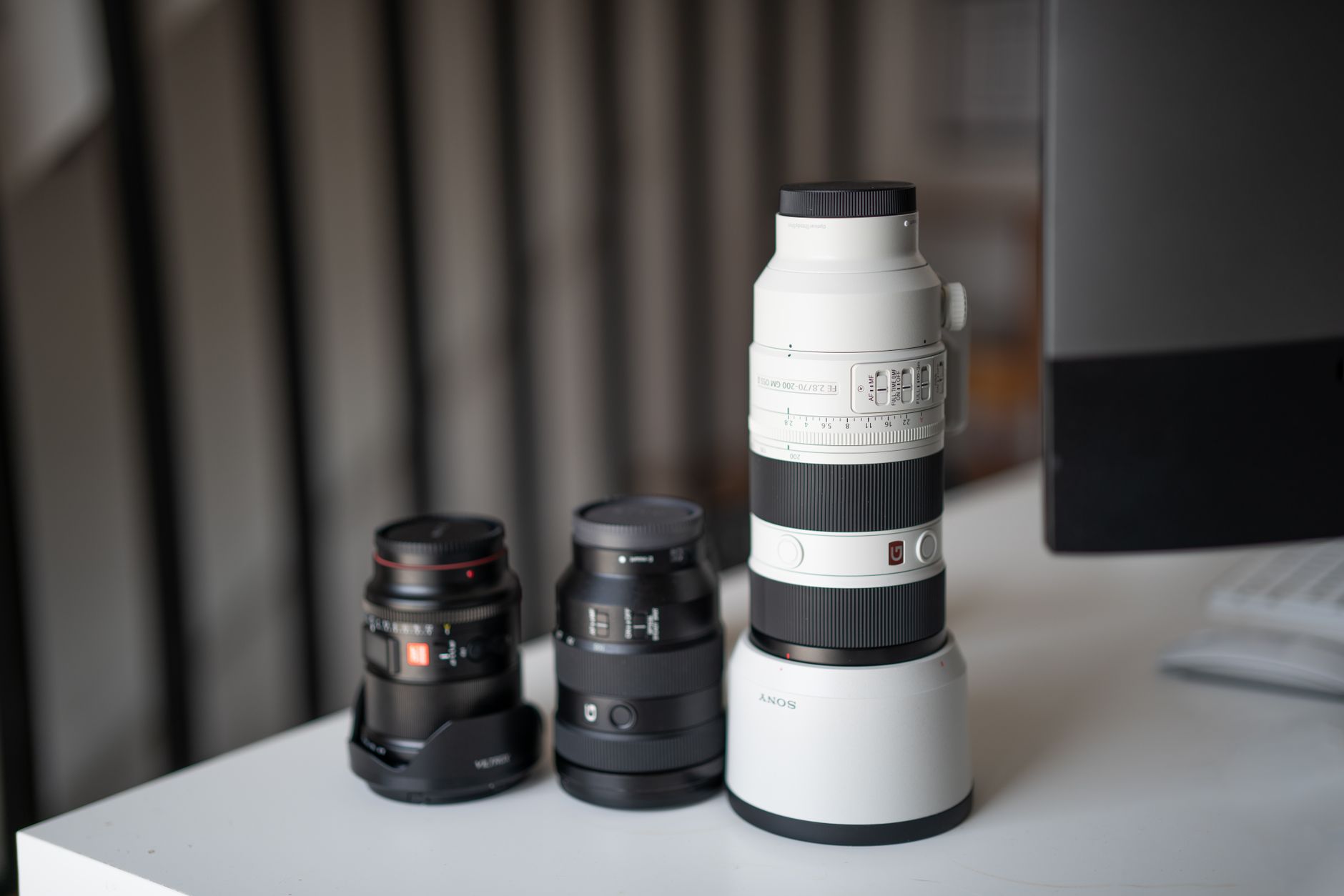
Wide-angle lenses (roughly 16–35mm) capture a broad field of view, making them ideal for landscapes, establishing shots, tight spaces, and dynamic, immersive footage. They exaggerate depth and can distort at the extremes.
Wide lenses suit showing environments, vlogging, and action where you want to feel close to the scene. Their broad view and sense of depth make them versatile, though their distortion means they’re less flattering for close-up portraits.
Standard and Telephoto Lenses
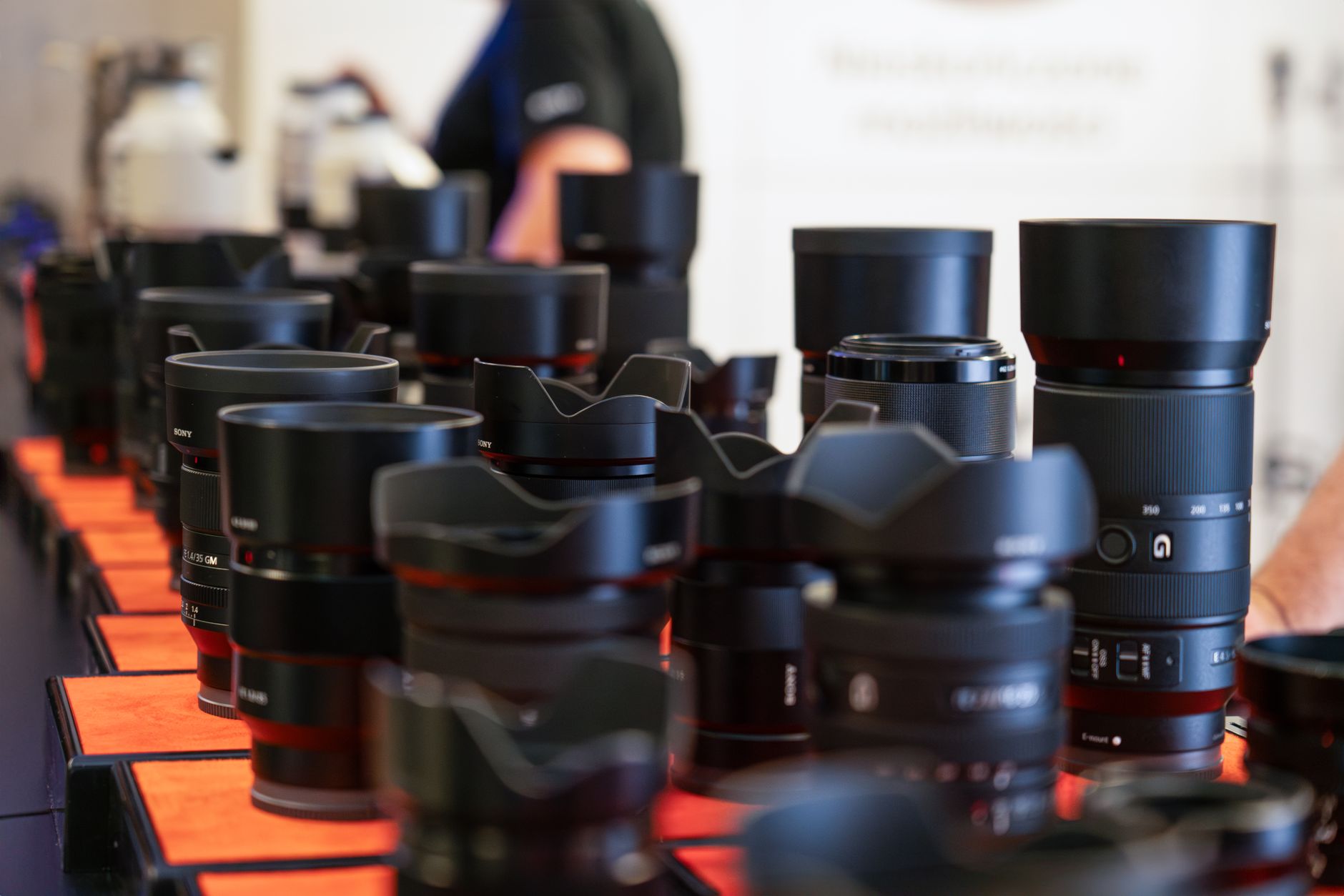
Standard lenses (around 35–50mm) approximate natural human perspective, making them versatile for general shooting. Telephoto lenses (85mm and up) zoom in, compress the background, and flatter faces, ideal for portraits and isolating subjects.
The 50mm is a classic, natural-looking choice, while longer lenses create the compressed, intimate look great for interviews and close-ups. Each focal length range has its strengths, so matching the lens to the shot is key.
Prime vs. Zoom Lenses
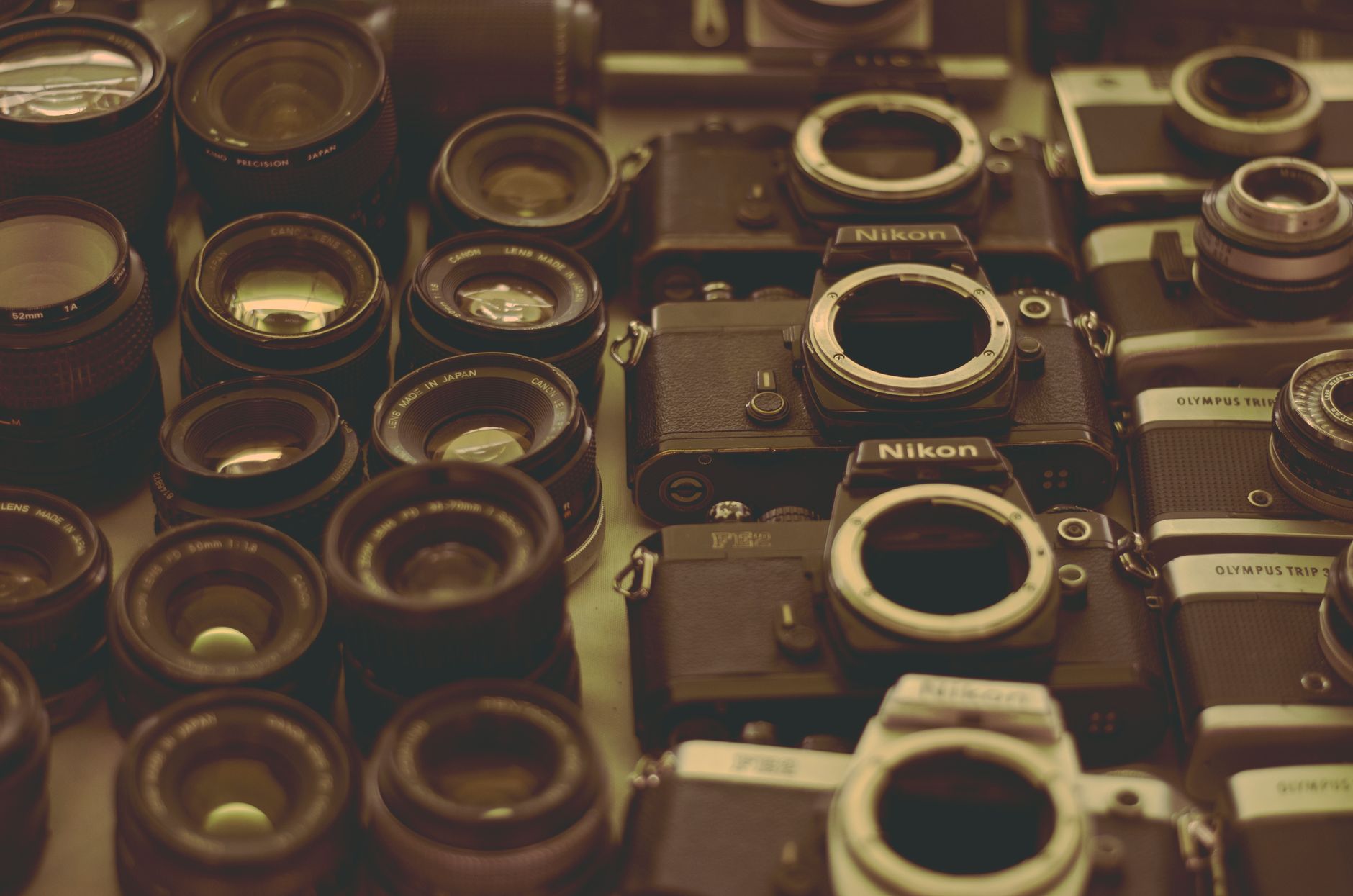
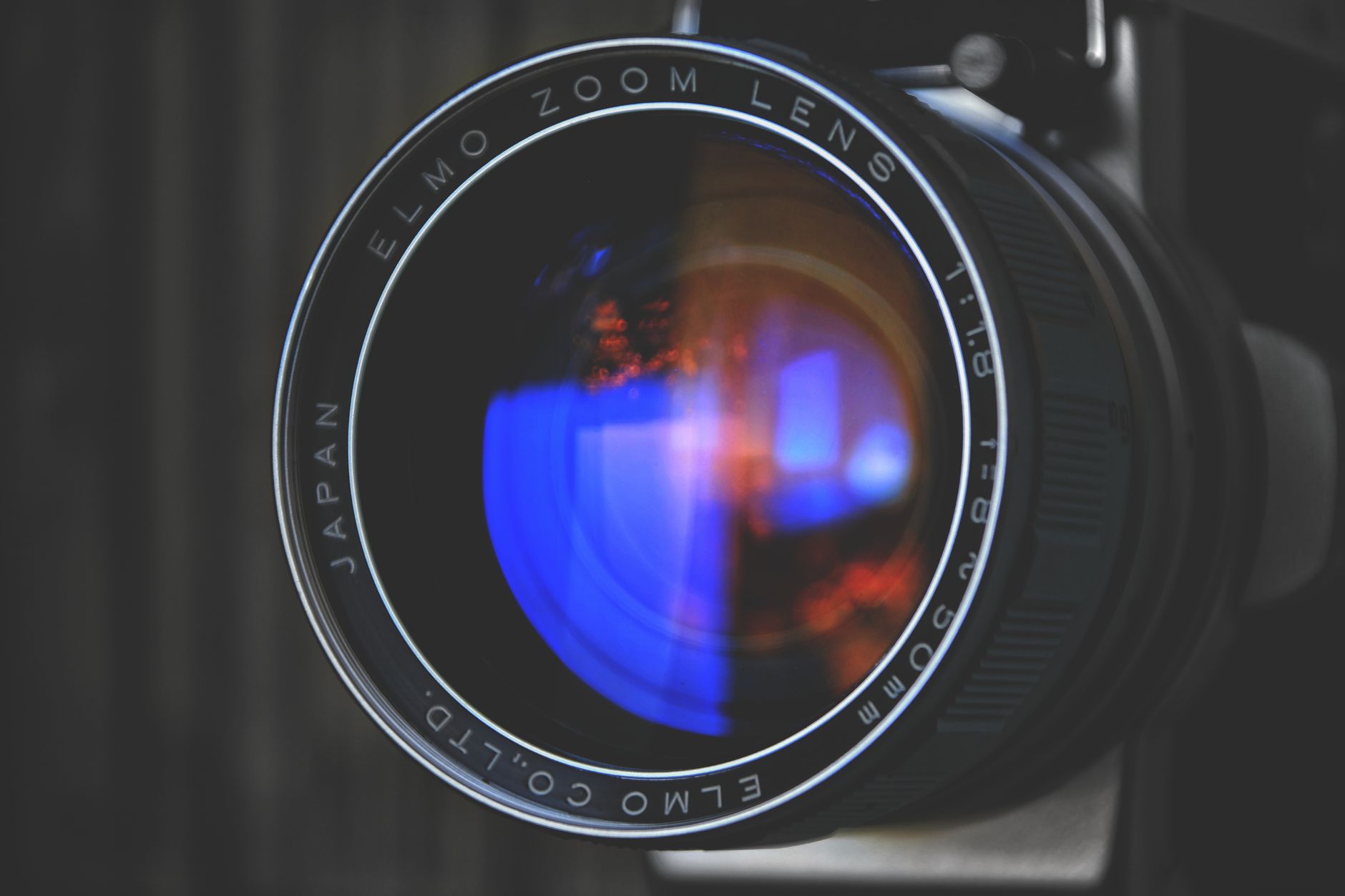
Prime lenses have a fixed focal length, while zoom lenses cover a range. Primes are typically sharper, have wider apertures for more background blur, and are smaller, while zooms offer flexibility to change framing without swapping lenses.
Primes are favored for their image quality and wide apertures, ideal for cinematic shallow depth of field, while zooms suit run-and-gun shooting where flexibility matters. Many shooters carry both, choosing based on the situation.
Consider the Aperture
A lens’s maximum aperture (its f-number) determines how much light it gathers and how shallow a depth of field it can create. A fast lens (low f-number like f/1.8) excels in low light and produces strong background blur.
Fast lenses are prized for their low-light performance and cinematic blur, as our camera settings guide covers. The maximum aperture is a key specification when choosing a lens, especially if you want shallow depth of field or shoot in dim conditions.
Choose Lenses for Your Shots
The right lens depends on the shot. Use wide lenses for establishing shots and tight spaces, standard lenses for general and natural framing, and telephoto lenses for portraits, interviews, and isolating subjects with compression.
Building a kit that covers your common needs — perhaps a wide, a standard, and a short telephoto — lets you handle most situations. Matching focal length and aperture to each shot’s needs is how you use lenses to shape your footage intentionally.
Lens Choice Best Practices
- Use wide lenses for landscapes and tight spaces.
- Use standard lenses for natural, versatile framing.
- Use telephoto lenses for portraits and isolating subjects.
- Choose fast lenses for low light and shallow depth of field.
Common Lens Mistakes
- Using a wide lens for close-up portraits, distorting faces.
- Ignoring aperture when shallow depth of field is wanted.
- Relying on one lens for every type of shot.
- Overlooking how focal length affects perspective.
A Real Lens Choice Example
Picture shooting a short documentary in a city. For the bustling street establishing shots you reach for a 24mm wide lens that captures the energy and scale, for the walk-and-talk interviews you switch to a natural 35mm, and for the intimate sit-down portraits you mount an 85mm to compress the background and flatter your subject’s face.
Each focal length shapes the feel of its scenes, and swapping lenses to match the moment gives the whole piece a considered, cinematic look. That intentional lens selection — wide for scope, normal for natural, long for intimacy — is exactly how cinematographers use glass as a storytelling tool rather than just a way to see.
Build a Versatile Lens Kit
You don’t need many lenses to cover most situations — a small, well-chosen kit goes a long way. A common starter set pairs a wide-ish zoom for flexibility with one or two fast primes, like a 35mm and an 85mm, giving you scope, natural framing, and flattering portraits with shallow depth of field.
Building your kit around the shots you actually shoot, rather than collecting glass you rarely use, keeps it practical and affordable. Combined with the depth-of-field control in our depth of field guide, a focused lens kit lets you handle nearly any shot intentionally without the weight and cost of carrying everything.
Match Lenses to Sensor Size
Focal length behaves differently depending on your camera’s sensor size, since a crop sensor effectively magnifies the field of view. A 50mm lens frames tighter on a crop-sensor camera than on full-frame, so knowing your sensor’s crop factor helps you choose lenses that give the field of view you actually want.
This matters when planning a kit, since the same lens delivers a different look on different cameras. Accounting for your sensor size when selecting focal lengths ensures your wide stays wide and your portrait lens flatters as intended, rather than surprising you on set.
Wide and action-camera lenses introduce barrel distortion that you can straighten in post by correcting lens distortion in After Effects when a natural look matters.
Glass matters as much as the body, so pair your lens choices with our guide to the best cameras for beginners.
Wide lenses that make rooms feel spacious are a staple of footage destined for real estate video editing.
Key Takeaways
- Lenses shape field of view, depth of field, and look.
- Focal length sets how wide or zoomed-in a lens is.
- Primes offer quality and wide apertures; zooms offer flexibility.
- Choose focal length and aperture to suit each shot.
Frequently Asked Questions
What lens should I use for video?
It depends on the shot: wide lenses (16–35mm) for landscapes and tight spaces, standard lenses (35–50mm) for natural framing, and telephoto lenses (85mm+) for portraits and isolating subjects. Choose based on framing, depth of field, and feel.
What’s the difference between prime and zoom lenses?
Prime lenses have a fixed focal length and are typically sharper with wider apertures for more background blur, while zoom lenses cover a range of focal lengths for flexibility. Primes suit cinematic work; zooms suit run-and-gun shooting.
What does a lens’s aperture do?
The maximum aperture (f-number) determines how much light the lens gathers and how shallow a depth of field it can create. A fast lens (low f-number like f/1.8) excels in low light and produces strong, cinematic background blur.
Sources: Wikipedia’s article on camera lenses.
Choose the right glass at Adobe Video World
Train hands-on with Adobe Certified Instructors across 100+ Premiere Pro & After Effects sessions.