A workflow taught by Adobe Certified Instructors at Adobe Video World.
A radial wipe reveals or hides a layer with a sweeping motion around a center, like a clock hand sweeping across the frame. It’s a clean, versatile transition and reveal effect. After Effects creates it with the Radial Wipe effect, alongside the related Linear Wipe. This guide covers building radial and linear wipes for transitions and reveals.
What a Radial Wipe Does
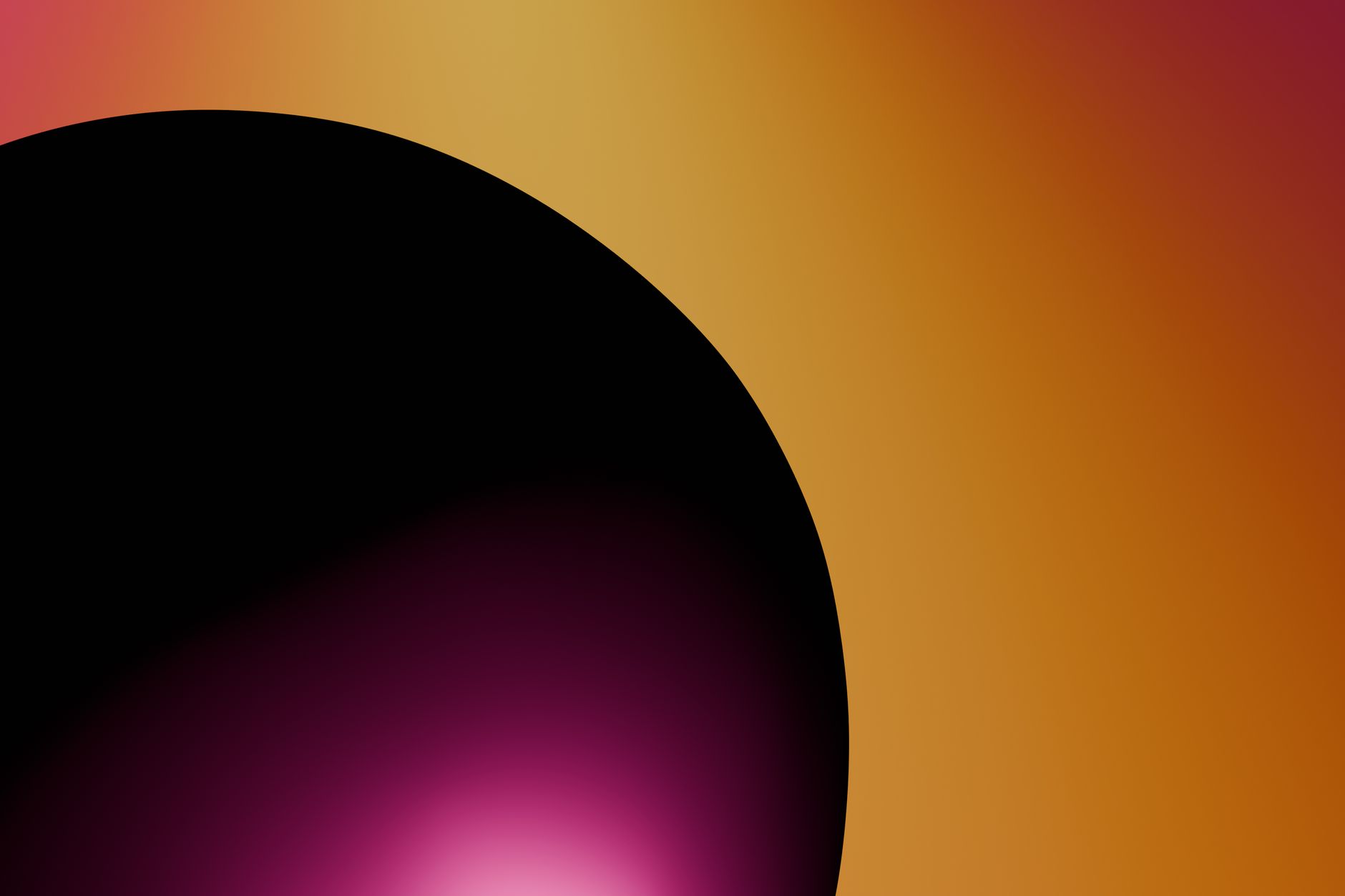
The Radial Wipe effect reveals or hides a layer with a sweep that rotates around a center point, like a radar sweep or a clock hand wiping across the image. It’s used for transitions, reveals, and animated graphics with a circular motion.
This sweeping reveal is clean and dynamic, useful for wiping between shots, revealing elements, or creating clock and loading animations. Its rotational motion gives a distinctive look different from a straight wipe or a dissolve.

Apply the Radial Wipe Effect
Apply Radial Wipe from the Transition category to the layer you want to reveal or hide. The effect’s Transition Completion controls how much is wiped, from 0% (fully visible) to 100% (fully wiped away).
Keyframing the Transition Completion animates the wipe — from 0 to 100% to wipe a layer off, or the reverse to reveal it. This single property, animated, drives the entire sweeping reveal or transition.
Control the Wipe
Radial Wipe offers controls for the Start Angle, Wipe Center, and direction (clockwise, counterclockwise, or both). These determine where the sweep begins, the point it rotates around, and how it travels.
Adjusting the center and start angle positions the wipe precisely, while the direction sets the sweep’s motion. A Feather control softens the wiping edge for a smoother transition, giving you full command over the effect’s look.

Use Linear Wipe Too
The related Linear Wipe reveals a layer with a straight edge sweeping across at any angle, rather than rotating. It’s the go-to for clean directional wipes — horizontal, vertical, or diagonal reveals.
Linear Wipe works the same way, animating Transition Completion with controls for the wipe angle and feather. Between Radial and Linear Wipe, you can create most basic wipe transitions, choosing rotational or directional based on the look you want.
Create Transitions Between Shots
Wipes make clean transitions between clips. Wiping one shot away to reveal the next, with a feathered edge, creates a smooth, deliberate transition, while a hard-edged wipe gives a sharper, more graphic cut between scenes.
Timing the wipe at the cut point, and matching its direction to the motion in your shots, makes the transition feel intentional. These wipes, complementing our transitions guide, are a versatile alternative to dissolves and cuts.
Reveal Graphics and Text
Wipes are excellent for revealing graphics and text. A radial wipe can reveal a logo with a sweep, or a linear wipe can uncover text smoothly, adding a clean animated entrance to graphic elements.
These wipe reveals are a staple of motion graphics, introducing elements with a polished sweep rather than a plain fade. Animating the wipe with easing, the reveal feels deliberate and professional, a versatile way to bring graphics on screen.
Build Clock and Loader Animations
Radial Wipe’s rotational sweep is perfect for clock and loading animations. Animating the wipe around a circle creates a sweeping progress indicator, a countdown clock, or a radar-style animation with its clock-hand motion.
This makes Radial Wipe useful beyond transitions, for functional and decorative circular animations. Combined with other elements, the sweeping wipe builds the loading spinners and progress graphics common in motion graphics.
Radial Wipe Best Practices
- Keyframe Transition Completion to animate the sweep.
- Set the center, start angle, and direction for the wipe.
- Use Linear Wipe for straight directional reveals.
- Feather the edge for smooth transitions, hard for graphic cuts.
Common Wipe Mistakes
- Forgetting to feather, leaving a harsh edge when smoothness is wanted.
- A wipe direction that fights the motion in the shots.
- Using a wipe where a simpler cut or dissolve fits better.
- Misplacing the wipe center for the effect you want.
A Real Radial Wipe Example
Picture revealing a logo with a clean clock-style sweep. You apply Radial Wipe to the logo, set the wipe center to its middle, and animate the Transition Completion from 100 to 0 percent so the logo sweeps into existence like a radar pass. A small feather softens the leading edge, and easing the keyframes gives the sweep a smooth, deliberate motion.
Timed to land as a musical hit drops, the radial reveal feels intentional and polished. That single effect, animated and eased, turns a plain logo appearance into a dynamic, sweeping entrance — a perfect demonstration of how versatile a simple wipe can be for graphic reveals.
Combine Wipes for Custom Transitions
Radial and Linear Wipes become more powerful when combined and layered. Stacking a radial wipe with a linear one, or using a wipe on a shaped layer as a matte, lets you build custom transition shapes far beyond the basic sweeps, tailored exactly to a project’s style.
Feathering and timing these combined wipes to the motion in your shots makes the transitions feel seamless and designed. Built alongside the techniques in our transitions guide, layered wipes give you a flexible toolkit for creating distinctive, branded transitions rather than relying on generic presets.
Wipes as Animated Mattes
Beyond transitions, wipe effects work beautifully as animated mattes for revealing graphics and creating custom shapes. Using a wipe on a solid as a track matte lets you uncover a layer with a sweeping or rotating motion, building bespoke reveals far beyond a simple fade.
Combining radial and linear wipes, feathering their edges, and timing them to motion or music produces polished, designed reveals. This matte-based use makes wipes a flexible building block for motion graphics, not just a way to transition between shots.
Key Takeaways
- Radial Wipe reveals a layer with a rotating, clock-like sweep.
- Keyframe Transition Completion to animate it.
- Linear Wipe gives straight directional reveals.
- Use wipes for transitions, reveals, and clock animations.
Frequently Asked Questions
How do I create a radial wipe in After Effects?
Apply the Radial Wipe effect to your layer and keyframe Transition Completion from 0% to 100% to animate the sweep. Set the Wipe Center, Start Angle, and direction, and feather the edge for a smooth transition.
What’s the difference between Radial Wipe and Linear Wipe?
Radial Wipe reveals a layer with a sweep that rotates around a center, like a clock hand. Linear Wipe reveals it with a straight edge sweeping across at any angle. Use radial for rotational reveals, linear for directional ones.
How do I make a clock animation in After Effects?
Use Radial Wipe’s rotational sweep — animate the Transition Completion around the circle to create a sweeping clock hand or progress indicator. Its clock-like motion is ideal for countdowns, loaders, and radar animations.
Sources: Wikipedia’s overview of wipe transitions.
Reveal with style at Adobe Video World
Train hands-on with Adobe Certified Instructors across 100+ Premiere Pro & After Effects sessions.