A workflow taught by Adobe Certified Instructors at Adobe Video World.
Light leaks are the warm, organic flares of light that wash across footage, adding a vintage, dreamy, cinematic atmosphere. They evoke old film cameras where light leaked onto the film. After Effects adds them with overlays or custom-built leaks. This guide covers compositing light leaks, creating your own, and using them tastefully.
What Light Leaks Add
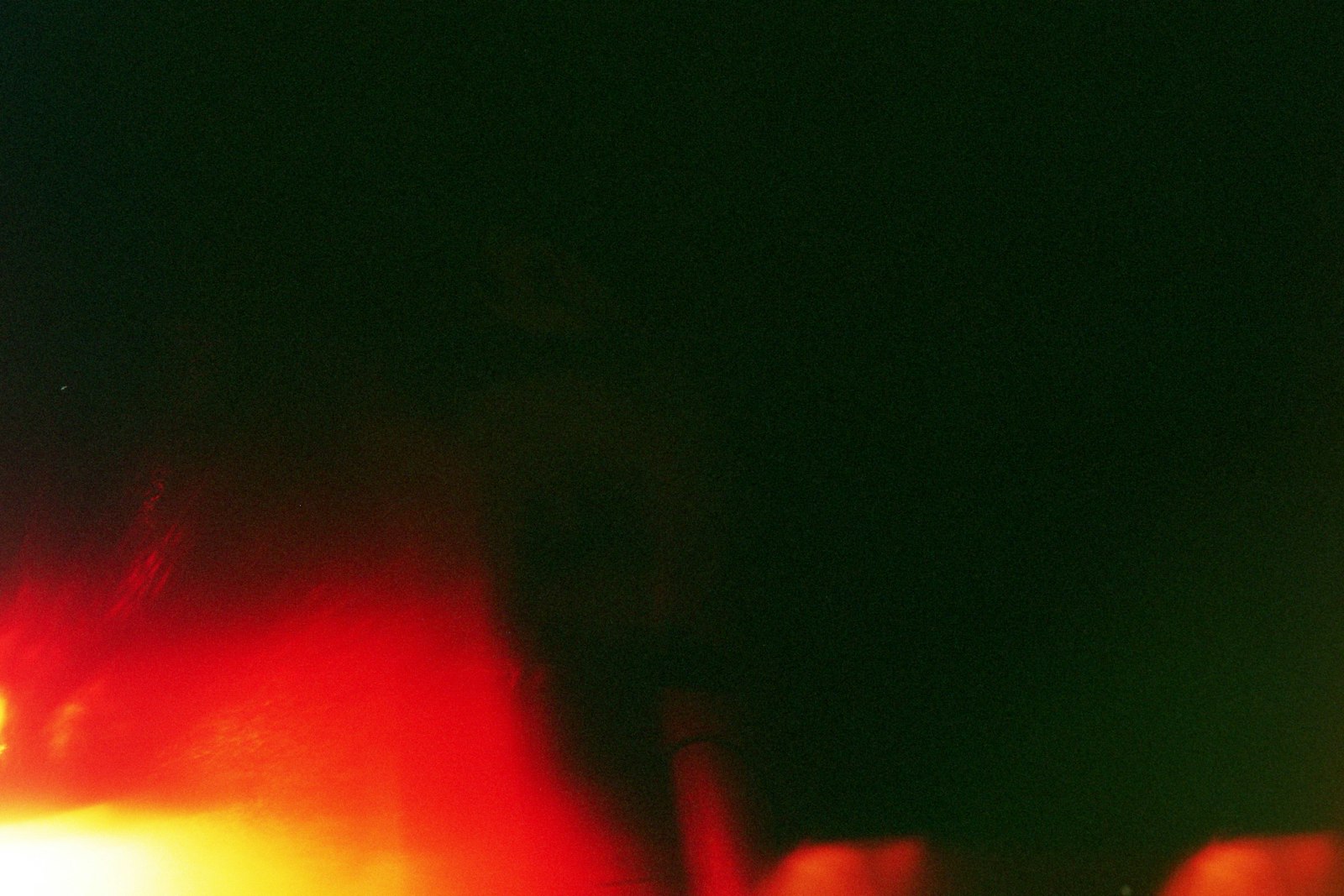
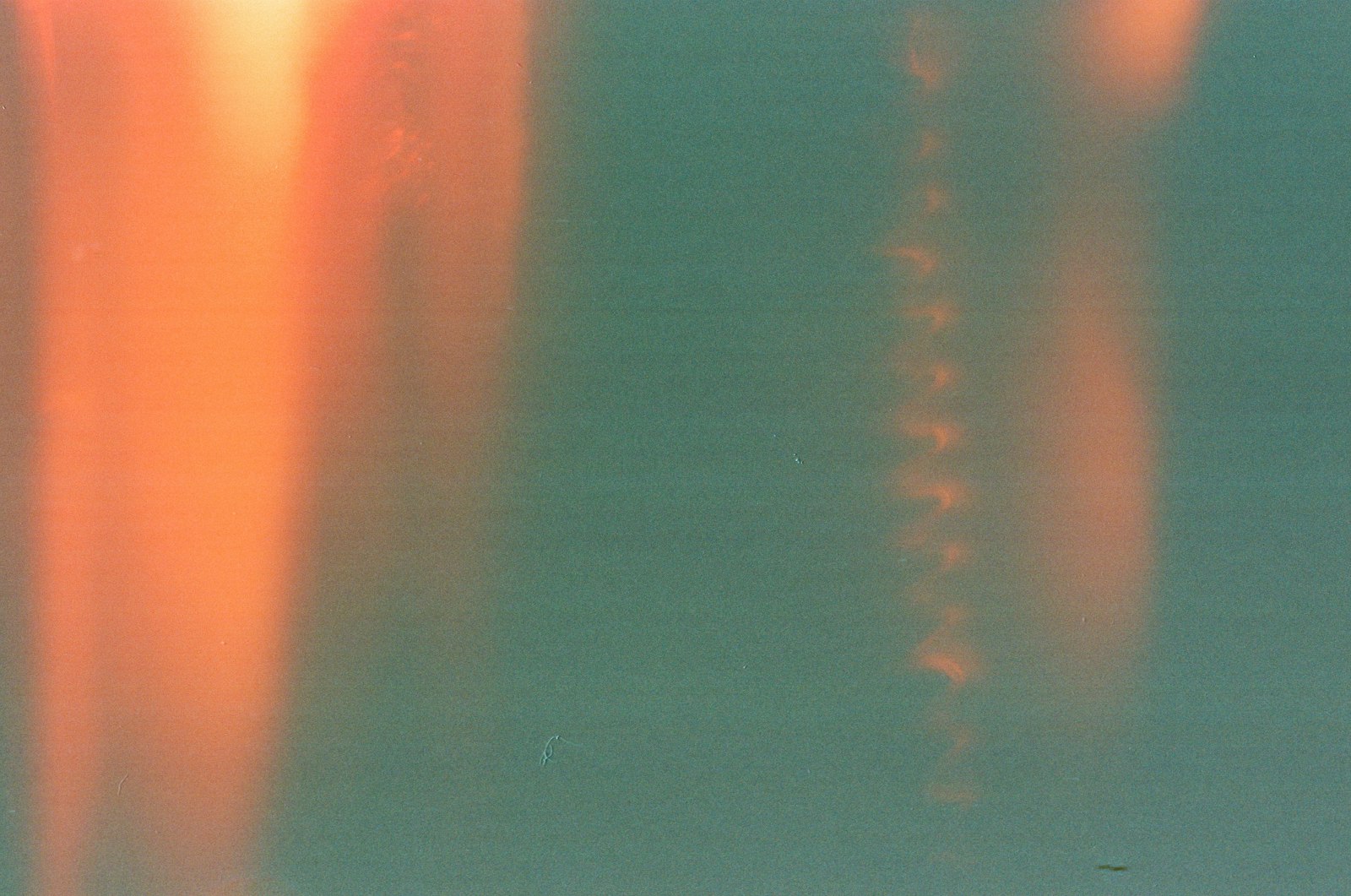
Light leaks are bursts and washes of warm, colorful light that drift across the frame, mimicking light seeping into an old film camera. They add a nostalgic, organic, dreamy quality that makes footage feel cinematic and emotive.
Popular for music videos, weddings, and stylized content, light leaks soften the digital look and inject warmth and atmosphere. Used well, they transform clean footage into something with a vintage, hand-crafted feel, which is why they’re so widely loved.

Use Light Leak Overlays
The easiest method is real light leak footage, shot against black and widely available. Drop a light leak overlay onto a layer above your footage and set it to Screen or Add, and the black drops out, leaving the warm light over your scene.
These overlays carry the organic movement and color of genuine leaks. Blending them with the techniques from our blending modes guide is the fastest way to add authentic, beautiful light leaks to any clip.
Create Your Own Light Leaks
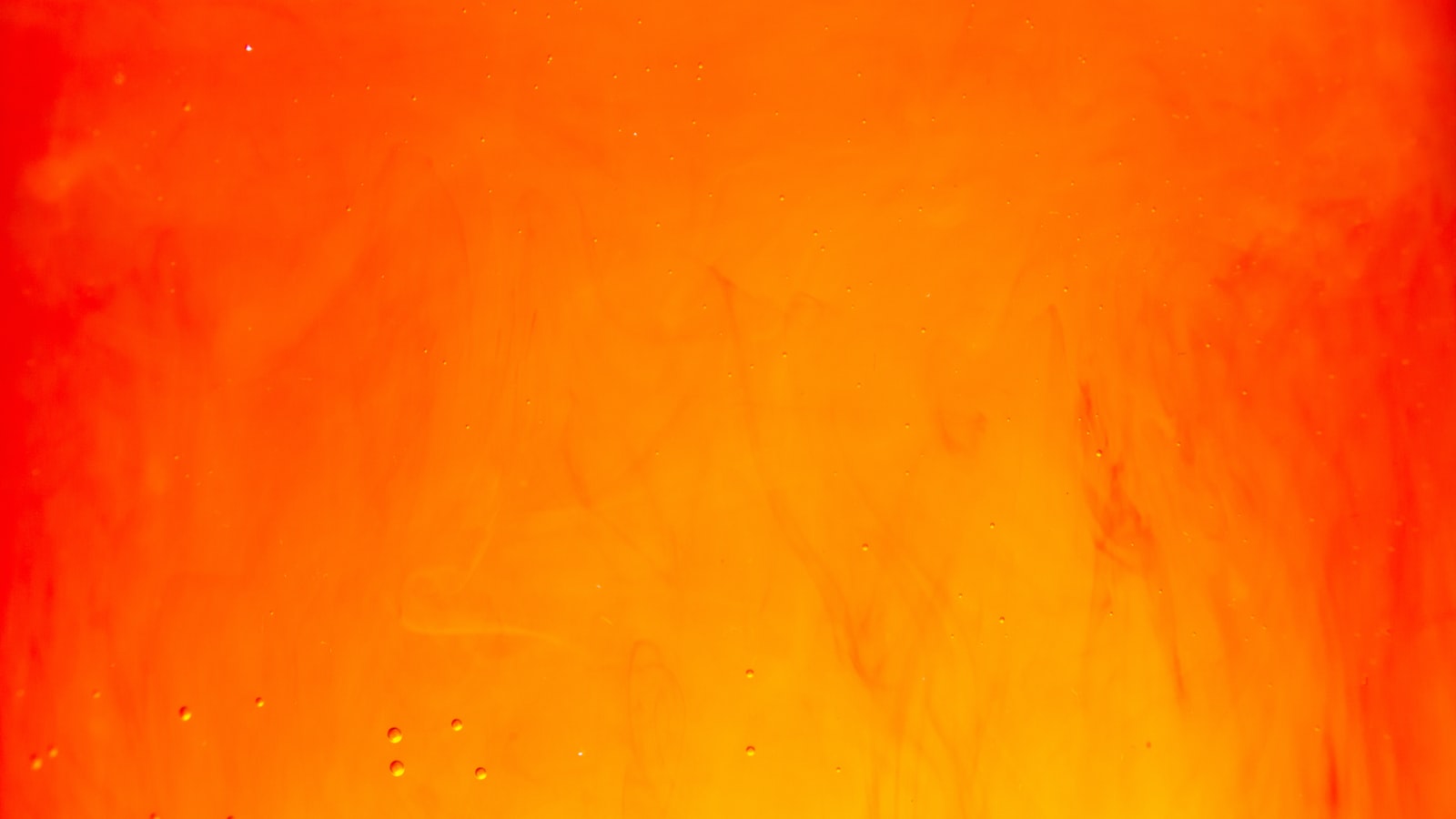
You can build leaks from scratch for full control. Animating soft, blurred gradients and shapes in warm colors — oranges, reds, golds — drifting across the frame creates custom light leaks tailored to your footage.
Using heavily blurred solids or gradients with warm tones, animated to sweep and pulse, gives you leaks you control entirely. This DIY approach lets you match the color and movement precisely to your project.
Choose Warm, Organic Colors
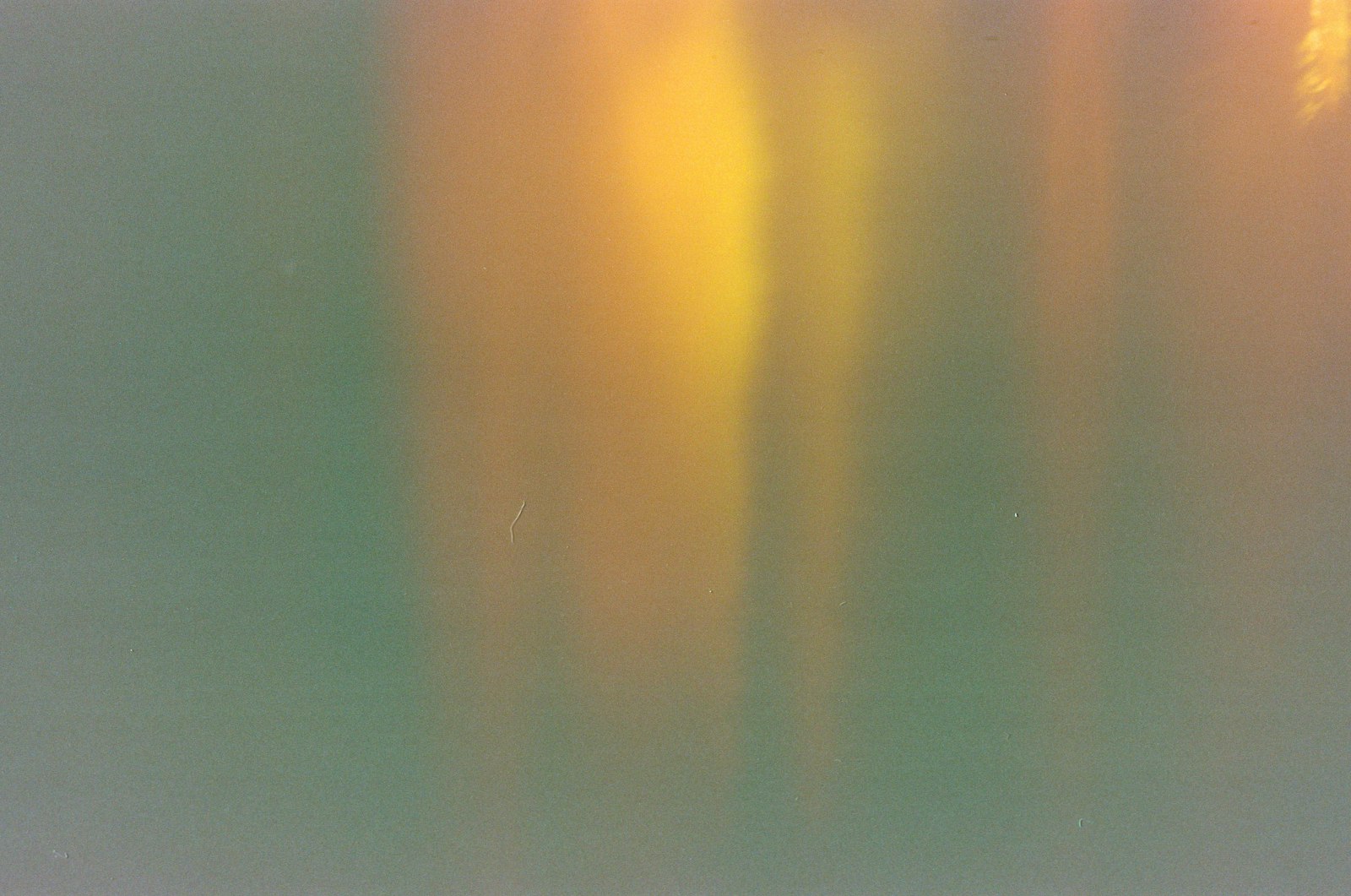
Light leaks are defined by warm color. Oranges, golden yellows, and warm reds evoke sunlight and old film, while occasional cooler tones add variety, and the colors should feel natural and analog rather than digital.
Keeping the palette warm and organic is what gives leaks their nostalgic feel. Harsh or unnatural colors break the illusion, so leaning into the warm, sun-kissed tones of real film light, guided by our color theory, keeps them believable.

Animate the Leak
Light leaks should move organically. Animating the leak drifting, growing, and fading across the frame — entering from an edge, washing over the scene, then receding — mimics how real light moves and changes through a lens.
Subtle, flowing animation makes leaks feel alive and natural. Keyframing their position, scale, and opacity so they breathe and drift, eased smoothly, is what separates a convincing organic leak from a static colored blob.
Control the Intensity
Light leaks work best in moderation. Adjusting the overlay’s opacity so the leak enhances rather than overwhelms keeps it tasteful, letting the warmth wash gently over the footage without washing out your subject.
A subtle leak adds mood, while an overpowering one obscures the image. Dialing back the intensity, and timing leaks to appear at emotional or transitional moments, makes them feel intentional and cinematic rather than constant and distracting.
Use Leaks for Transitions
Light leaks make beautiful transitions. A leak that builds to wash the frame in light at a cut, then recedes to reveal the next shot, creates a warm, organic transition between clips that feels far more cinematic than a hard cut.
Timing a bright leak to peak at the transition point hides the cut in a flash of light. This technique, complementing our transitions guide, gives montages and emotional sequences a dreamy, flowing way to move between shots.
Light Leak Best Practices
- Use real overlays on Screen or Add for authentic leaks.
- Build your own from warm, blurred gradients for control.
- Keep colors warm and organic, and animate them drifting.
- Control the intensity and use leaks at key moments.
Common Light Leak Mistakes
- Leaks so strong they wash out the footage.
- Harsh or unnatural colors that break the analog feel.
- Static leaks that don’t drift organically.
- Overusing leaks until they lose their impact.
A Real Light Leak Example
Imagine warming up a flat wedding clip of the couple walking at sunset. You drop a real light-leak overlay on a Screen layer, and a soft wash of golden orange drifts in from the right edge, blooming gently across the frame before receding. Lowering its opacity keeps it subtle, so it enhances the golden-hour mood rather than washing the couple out.
Timed to swell slightly as they turn toward each other, the leak adds an emotional, nostalgic glow that feels like real sunlight catching the lens. That organic warmth, layered gently over the footage, is exactly why light leaks are a staple of wedding films and emotional, romantic edits.
Light Leaks for a Vintage Film Look
Light leaks pair naturally with other analog touches to build a complete vintage film aesthetic. Combining warm leaks with film grain, a faded color grade, and soft contrast recreates the imperfect, organic look of old film stock, where light genuinely seeped onto the negative between frames.
Used together, these elements transport footage to a nostalgic, analog era that pure digital video can’t evoke. Keeping each touch subtle so they combine into a believable whole, rather than overdoing any one, is the key to a vintage look that feels authentically film-like rather than like an obvious filter.
Light Leaks and Mood
Light leaks carry strong emotional associations, evoking memory, warmth, and nostalgia, which is why they suit sentimental and romantic content so well. Timing a gentle leak to wash over an emotional beat reinforces the feeling, letting the light itself become part of the storytelling rather than mere decoration.
Because they read as analog and imperfect, leaks also soften the clinical edge of digital footage, making it feel more human and hand-made. Used thoughtfully at meaningful moments, they add an emotional texture that complements the edit’s pacing and the music underneath.
Organic light leaks layer beautifully into the After Effects VHS retro effect for authentic analog warmth.
Key Takeaways
- Light leaks add warm, organic, vintage atmosphere.
- Use real overlays on Screen, or build your own from gradients.
- Keep colors warm and animate the leaks drifting naturally.
- Control intensity and use leaks for cinematic transitions.
Frequently Asked Questions
How do I add light leaks in After Effects?
Drop a real light leak overlay (shot against black) onto a layer above your footage and set it to Screen or Add so the black drops out. Alternatively, build your own from warm, blurred animated gradients for full control.
What blending mode should I use for light leaks?
Use Screen or Add, which drop out the black background of a light leak overlay so only the warm light shows over your footage. Adjust the layer’s opacity to control how strong the leak appears.
How do I make light leaks look natural?
Use warm, organic colors like oranges and golds, animate the leak drifting and fading across the frame, and keep the intensity subtle. Real overlays or carefully animated gradients both give a natural, analog feel.
Sources: Adobe’s documentation on After Effects generate and light effects.
Add organic warmth at Adobe Video World
Train hands-on with Adobe Certified Instructors across 100+ Premiere Pro & After Effects sessions.