A workflow taught by Adobe Certified Instructors at Adobe Video World.
Making a great video isn’t enough if no one finds it. Video SEO — optimizing your videos to rank in search and get recommended — is how you grow your audience. From titles and thumbnails to watch time, the right optimization gets your videos discovered. This guide covers video SEO to help your content get found.
What Video SEO Is
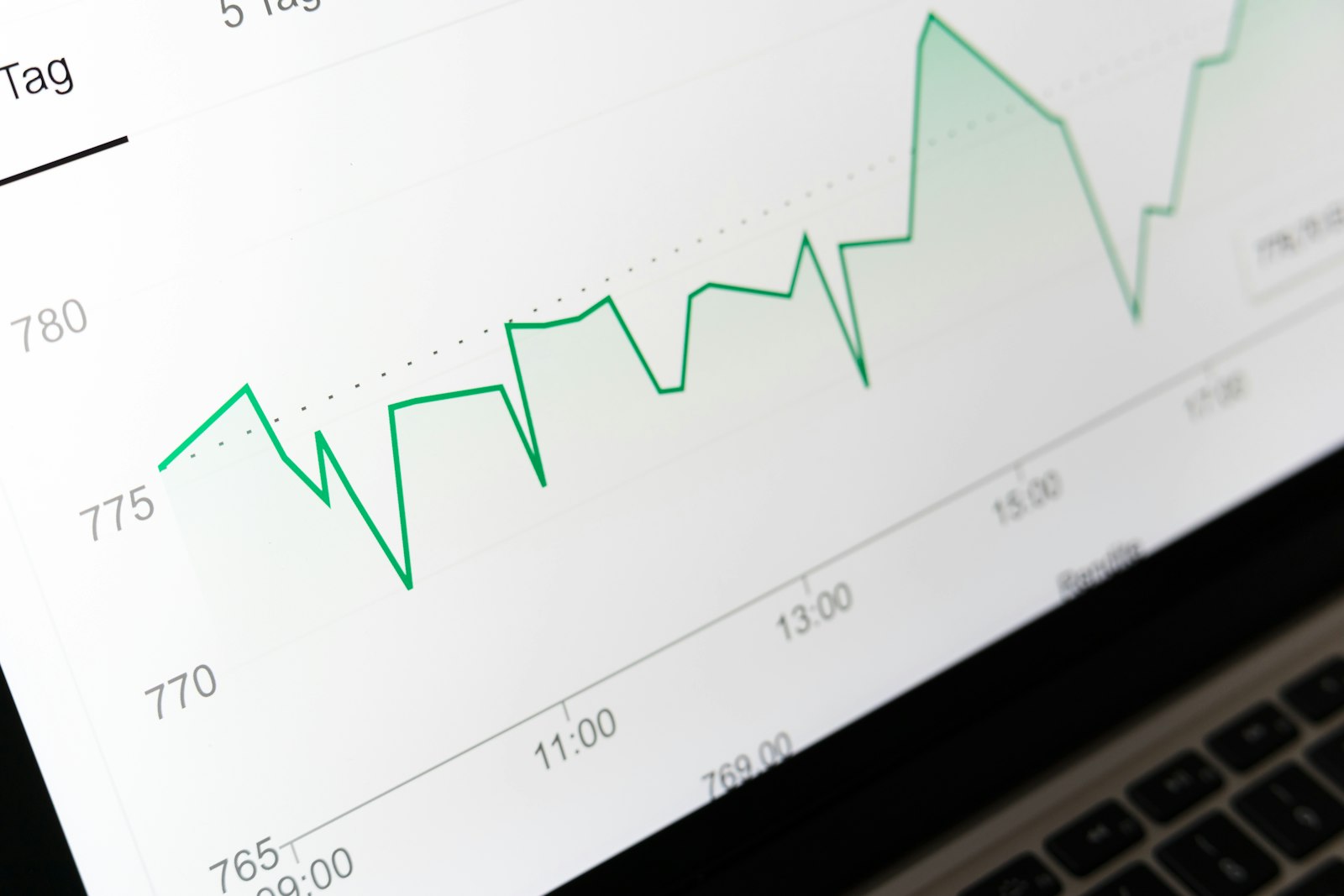
Video SEO is optimizing your videos so they’re discovered through search and recommendations on platforms like YouTube. It involves keywords, titles, descriptions, thumbnails, and engagement signals that help the platform understand and promote your content.
Since platforms surface videos through search and suggestions, optimizing for these systems determines how many people find your work. Understanding video SEO turns great content that’s invisible into content that reaches the audience it deserves.
Research Keywords
SEO starts with keywords — the terms your audience searches for. Researching what people search related to your topic, and targeting those terms, ensures your video addresses real demand and can be found by people looking for it.
Using keyword research to understand search intent guides your titles, descriptions, and even content. Targeting topics and phrases that people actually search, rather than guessing, is the foundation of getting your videos found through search.

Optimize Your Title
Your title is crucial for both ranking and clicks. Including your main keyword naturally, keeping it compelling and clear, and front-loading the important words helps the platform rank it and entices viewers to click.
A title must balance SEO and appeal — descriptive enough to rank, engaging enough to click. Crafting titles that include your target keyword while being genuinely compelling, not just keyword-stuffed, is key to both discovery and click-through.

Write a Strong Description
The description helps platforms understand your video and aids ranking. Writing a detailed, keyword-rich description that accurately describes the content, with important information early, supports SEO and informs viewers.
A thorough description gives the platform context and includes relevant keywords naturally. Front-loading key information and keywords, while keeping it readable and useful, helps your video rank and gives viewers a reason to watch and engage.

Use Tags and Metadata
Tags and metadata add context. Adding relevant tags, choosing the right category, and providing accurate metadata helps the platform classify your video and connect it to related searches and recommendations.
While tags matter less than they once did, accurate metadata still helps the platform understand your content. Filling in relevant tags and categories correctly contributes to how your video is classified and surfaced alongside related content.
Design a Click-Worthy Thumbnail
The thumbnail hugely affects click-through rate, which strongly influences ranking. A compelling, high-contrast thumbnail that earns clicks signals to the platform that your video is worth recommending.
Since click-through rate is a key ranking signal, a great thumbnail is part of SEO, not just design. Pairing strong titles with eye-catching thumbnails maximizes clicks, which tells the platform to show your video to more people.
Maximize Watch Time and Engagement
The most important ranking factor is engagement — especially watch time. Videos that keep viewers watching and prompt likes, comments, and shares get recommended more, so making engaging content is itself powerful SEO.
This is why a strong hook, tight pacing, and engaging content matter so much for discovery. Optimizing your video to hold attention and prompt interaction directly boosts how the platform promotes it, making good editing essential to SEO.
Encourage Engagement
Actively prompting engagement helps. Asking viewers to like, comment, and subscribe, posing questions, and creating content people want to share generates the signals that boost your video’s reach and ranking.
Engagement compounds — more interaction leads to more promotion. Encouraging viewers to engage, and making content that naturally sparks comments and shares, amplifies your video’s performance, working alongside your other SEO efforts to grow your audience.
Video SEO Best Practices
- Research keywords your audience actually searches.
- Optimize titles and descriptions with keywords, kept compelling.
- Design click-worthy thumbnails to boost click-through rate.
- Maximize watch time and engagement — the top ranking factors.
Common Video SEO Mistakes
- Ignoring keywords and search intent.
- Keyword-stuffed titles that hurt clicks.
- Weak thumbnails that limit click-through rate.
- Focusing on metadata while neglecting watch time and engagement.
A Real Video SEO Example
Picture publishing a tutorial. You research what people actually search and find ‘how to color grade in premiere’ has strong demand, so you title the video around that phrase while keeping it compelling, write a detailed keyword-rich description, and design a bold, high-contrast thumbnail. Crucially, you open with a tight hook and keep the pacing snappy so viewers stay.
Weeks later the video is ranking for that search and getting recommended, because strong watch time told the platform it satisfies viewers. That combination — keyword-targeted title and description, a click-worthy thumbnail, and genuinely engaging content — is exactly how video SEO turns a good tutorial into one that’s actually found and watched.
SEO Is Built on Good Content
It’s tempting to treat video SEO as a checklist of titles and tags, but the most powerful ranking factor is whether people enjoy and finish your videos. No amount of keyword optimization rescues content that loses viewers in the first ten seconds, which is why great editing and storytelling are the real foundation of discovery.
Optimizing metadata helps the platform find your video, but watch time and engagement decide whether it’s promoted. Pairing solid SEO with the hook and pacing techniques in our intro guide means you’re optimizing genuinely good content — the combination that actually grows a channel, rather than gaming a system with thin videos.
Optimize Beyond the Algorithm
While platform SEO matters, lasting growth comes from optimizing for humans, not just algorithms. Making genuinely valuable, engaging content that viewers want to watch, share, and return to builds an audience that algorithms then amplify, so audience-first thinking underpins all effective video SEO.
Promoting your videos beyond the platform — sharing on social, embedding on a site, building an email list — also drives views that signal quality. Combining sound technical optimization with content people love and active promotion, rather than relying on the algorithm alone, is the durable path to growing your videos’ reach.
Protecting and branding your channel’s videos often means watermarking videos in Premiere Pro.
Faster-loading uploads help discovery, so how to compress a video file is worth dialing in.
Key Takeaways
- Video SEO gets your videos found through search and recommendations.
- Research keywords and optimize titles and descriptions.
- Design click-worthy thumbnails to boost click-through rate.
- Watch time and engagement are the most powerful ranking factors.
Frequently Asked Questions
What is video SEO?
Video SEO is optimizing your videos so they’re discovered through search and recommendations on platforms like YouTube. It involves keywords, titles, descriptions, thumbnails, and engagement signals that help the platform understand and promote your content.
What’s the most important factor for ranking videos?
Engagement, especially watch time. Videos that keep viewers watching and prompt likes, comments, and shares get recommended more. This is why a strong hook, tight pacing, and engaging content are essential to video SEO.
How do I get my videos found on YouTube?
Research keywords your audience searches, optimize your titles and descriptions with those keywords while keeping them compelling, design click-worthy thumbnails, and make engaging content that maximizes watch time and prompts interaction.
Sources: Wikipedia’s overview of search engine optimization.
Get your videos found at Adobe Video World
Train hands-on with Adobe Certified Instructors across 100+ Premiere Pro & After Effects sessions.