A workflow taught by Adobe Certified Instructors at Adobe Video World.
Documentary editing is storytelling at its most demanding — shaping hours of interviews, footage, and archival material into a compelling true story. The editor is a co-author, finding the narrative within the material. This guide covers editing a documentary, from structuring the story to pacing it for emotional impact and clarity.
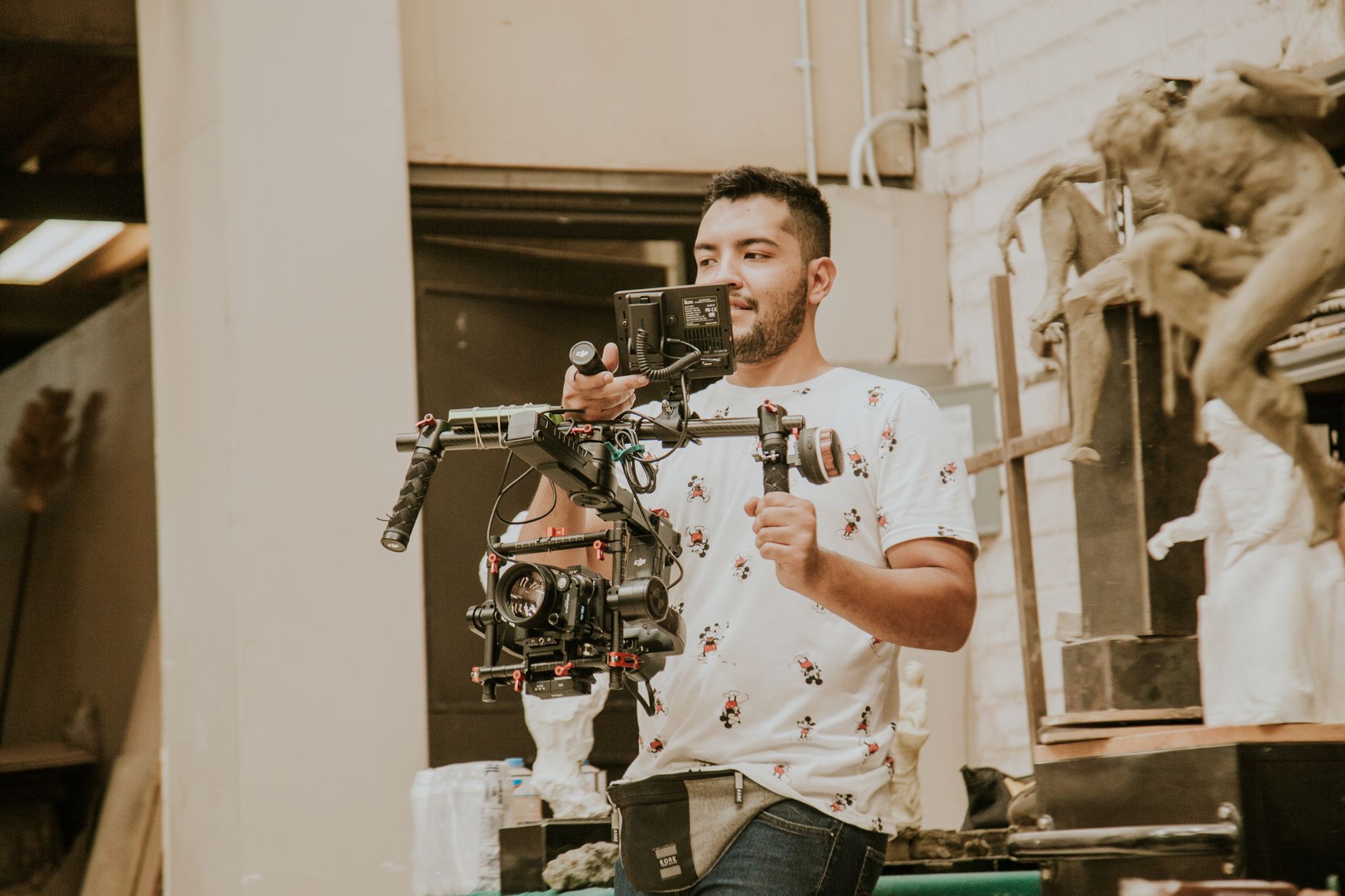
The Editor as Storyteller
In documentary, the editor shapes the story more than in almost any other form. With hours of unscripted interviews and footage, the editor finds and constructs the narrative, deciding what the documentary says and how, making it a deeply creative role.
This authorship distinguishes documentary editing. The story isn’t written in advance but discovered in the material, so the editor’s choices about structure, emphasis, and pacing determine the film’s meaning and impact, a profound creative responsibility.
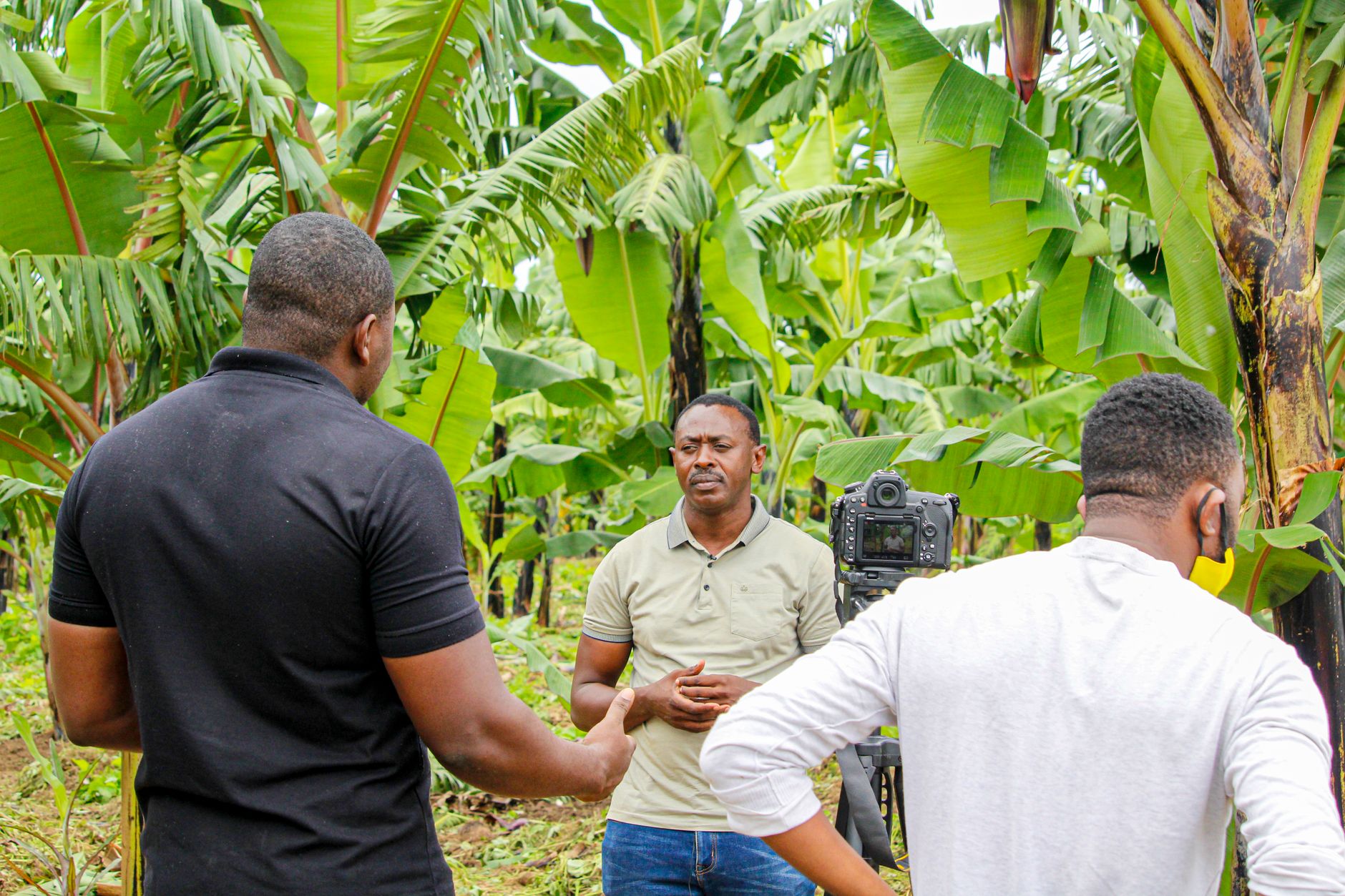
Find the Story
Before cutting, you must find the story in the footage. Reviewing the interviews and material, identifying the through-line, themes, and compelling moments, reveals the narrative that the documentary will tell from the available content.
This discovery process, often involving transcribing interviews and noting strong moments, is foundational. Understanding what story the material supports, and what it’s really about, guides the entire edit, ensuring the documentary has a clear, compelling narrative.
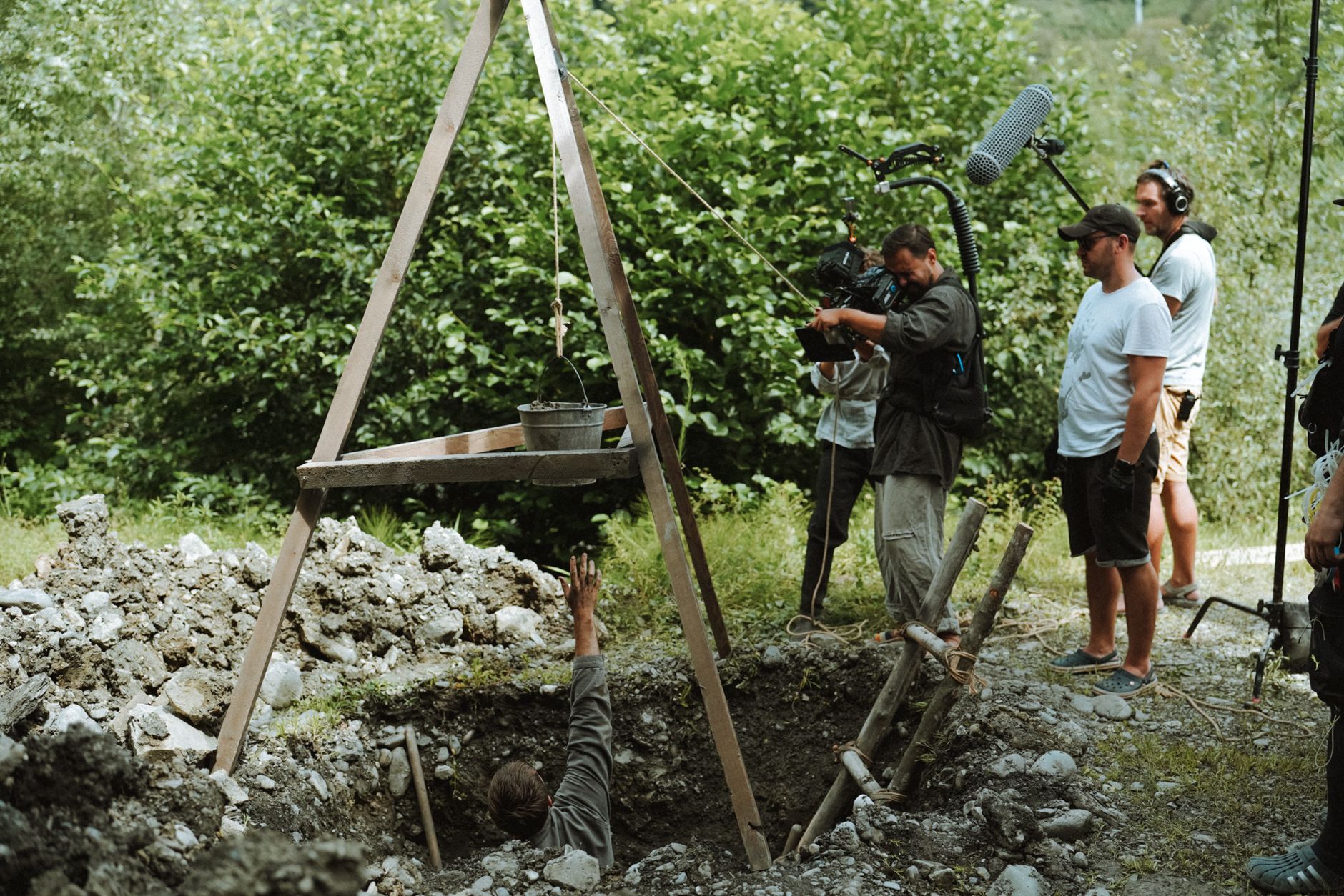
Build the Structure
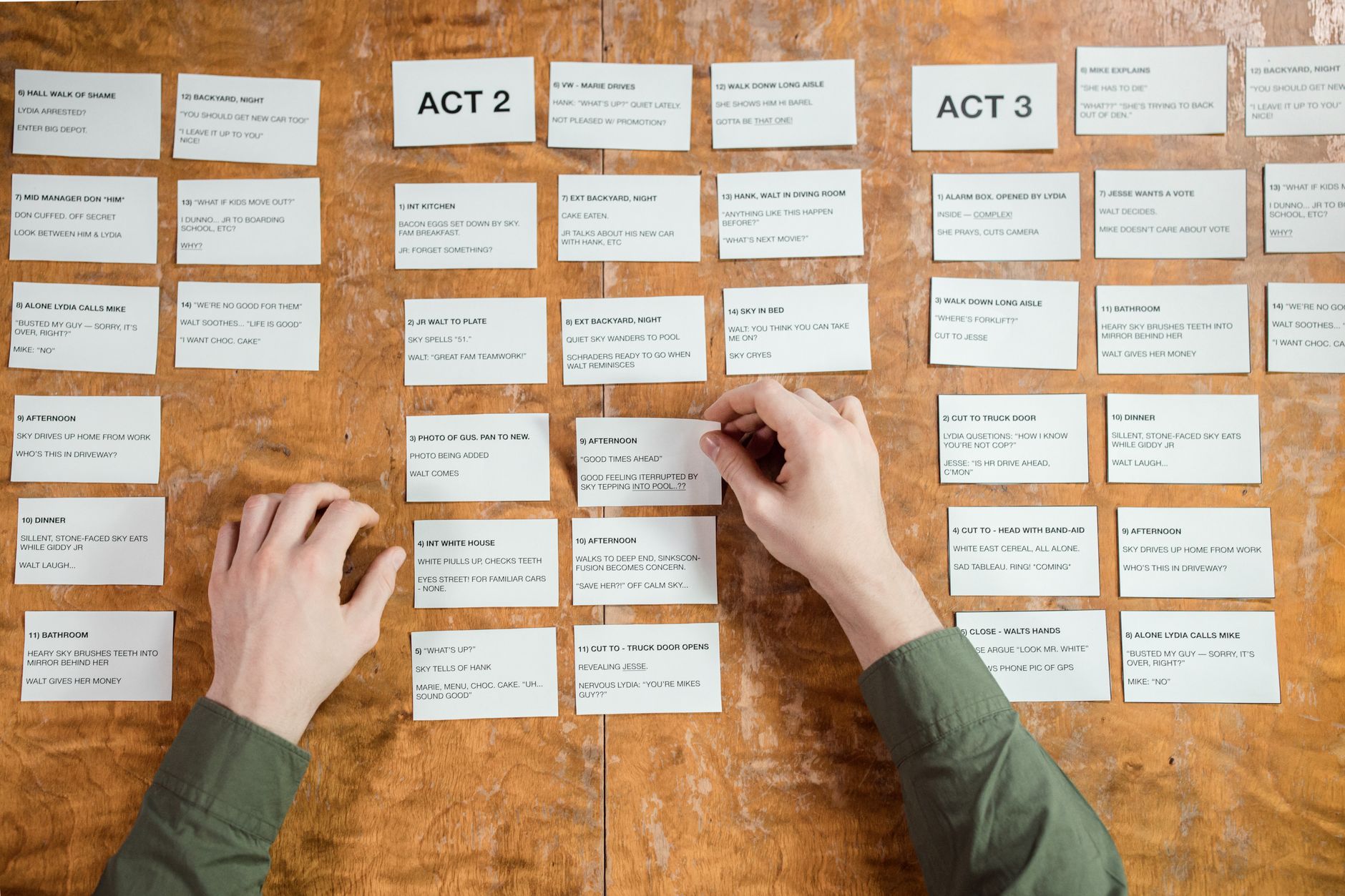
Documentaries need a strong structure. Organizing the story into a narrative arc — establishing the subject, developing the conflict or journey, and reaching a resolution — gives the film a compelling shape that holds the audience.
This structure, whether chronological, thematic, or built around a central question, is the documentary’s backbone. Constructing a clear narrative arc from the interviews and footage, using our storytelling structure, is what makes the film engaging rather than a loose collection of material.
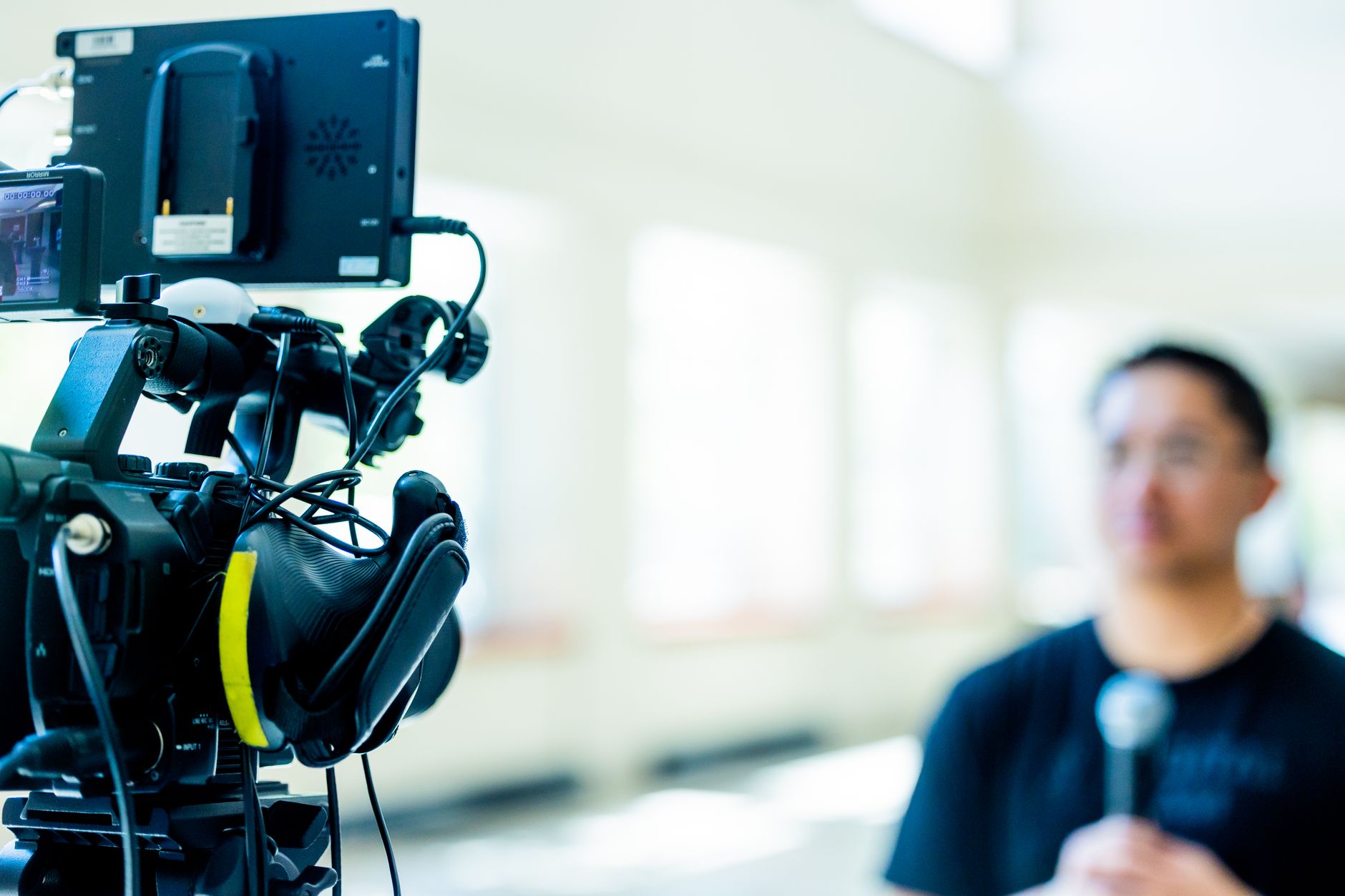
Weave Interviews and B-Roll
Documentaries interweave interviews with supporting footage. Cutting interview audio with relevant B-roll, archival material, and observational footage illustrates the story and keeps it visual, rather than a series of talking heads.
This weaving is central to documentary craft. Laying B-roll and archival footage over interview audio to show what’s being described, and cutting between speakers and scenes, builds a rich, visual narrative that brings the true story to life.
Use Archival Material
Many documentaries draw on archival footage, photos, and documents. Integrating this historical material — photographs, old footage, records — adds authenticity, context, and depth, grounding the story in real evidence and history.
Treating archival material thoughtfully, perhaps with subtle motion or framing, makes it engaging. This historical content, woven with interviews and B-roll, gives a documentary its sense of truth and depth, supporting the narrative with real artifacts.
Pace for Impact
Documentary pacing shapes emotional impact. Varying the rhythm — letting powerful moments breathe, building tension, and maintaining momentum — guides the audience’s emotional journey through the story, using our pacing techniques.
Knowing when to slow down for a moving moment and when to move quickly keeps the documentary engaging and affecting. This deliberate pacing, serving the story’s emotional beats, is what makes a documentary resonate rather than feel flat or rushed.
Refine the Audio and Music
Audio is crucial in documentary, where interviews carry the story. Cleaning the interview audio, balancing levels, and using music thoughtfully to underscore emotion without manipulating, completes the film, with clear sound essential to the narrative.
Music in documentary should support, not overpower, the truth of the story. Using clean audio, with our cleanup techniques, and tasteful, honest scoring gives the documentary its emotional resonance while keeping the focus on the real story being told.
Documentary Editing Best Practices
- Find the story and through-line in the material first.
- Build a clear narrative structure and arc.
- Weave interviews with B-roll and archival material.
- Pace for emotional impact and refine the audio.
Common Documentary Mistakes
- No clear story or through-line, just assembled footage.
- Talking heads with no illustrative footage.
- Flat pacing that ignores emotional beats.
- Music that manipulates or overpowers the story.
A Real Documentary Edit Example
Imagine editing a documentary about a local craftsman. After transcribing hours of interviews, you find the through-line — his struggle to keep a dying trade alive — and build the film around it: establishing his world, developing the conflict, and resolving with his hope for an apprentice. You weave his interview audio with observational footage of his hands at work and archival photos of the workshop’s history.
Pacing the emotional beats carefully — letting his most moving reflection breathe — and scoring it honestly, the assembled material becomes a genuinely affecting story. That authorial process of finding the narrative, structuring it, and weaving the elements is the heart of documentary editing, where the film is truly built in the edit.
Ethics in Documentary Editing
Documentary editing carries an ethical responsibility, since the editor’s choices shape how real people and events are portrayed. Representing subjects fairly, not distorting their words through selective cutting, and using music and structure to illuminate rather than manipulate the truth are central to honest documentary work.
This responsibility distinguishes documentary from purely persuasive forms, where the goal is truthfulness as much as impact. Holding to ethical standards — fair representation, honest context, and respect for the subjects — is what gives a documentary its integrity and earns the trust of its audience and participants alike.
Documentary and Truth
Documentary editing carries a responsibility to truth that other forms don’t, since the editor shapes how real events and people are represented. The choices about what to include, emphasize, and omit determine the story the documentary tells about reality.
This authorial power demands ethical care — representing subjects fairly, providing honest context, and not distorting meaning through manipulative editing. The credibility of a documentary rests on the audience’s trust that it’s portraying the truth honestly.
Balancing compelling storytelling with this commitment to truth is the documentary editor’s central challenge. Crafting an engaging, emotional film while staying faithful to the real story is what gives documentary its unique power and earns the trust of its audience.
Run-and-gun coverage relies on handheld shooting techniques, so the footage often needs stabilizing in the edit.
Protecting bystanders’ privacy in real-world footage often calls for the Premiere Pro face blur.
Strong documentary footage begins on set, so shooting a great interview underpins the whole edit.
Key Takeaways
- The documentary editor shapes the story from the material.
- Find the story, then build a clear narrative structure.
- Weave interviews, B-roll, and archival material.
- Pace for emotional impact and keep audio clear and honest.
Frequently Asked Questions
How do I edit a documentary?
Find the story and through-line in your interviews and footage, build a clear narrative structure and arc, weave interviews with B-roll and archival material, pace for emotional impact, and refine the audio and music to support the true story.
Why is the editor so important in a documentary?
Documentary stories aren’t scripted in advance — they’re discovered and constructed in the edit from hours of unscripted material. The editor finds the narrative and decides what the film says and how, making it a deeply creative, authorial role.
How do I structure a documentary?
Organize the story into a narrative arc — establishing the subject, developing the conflict or journey, and reaching a resolution. The structure can be chronological, thematic, or built around a central question, but it needs a clear, compelling shape.
Sources: Wikipedia’s overview of documentary film.
Tell true stories at Adobe Video World
Train hands-on with Adobe Certified Instructors across 100+ Premiere Pro & After Effects sessions.