A workflow taught by Adobe Certified Instructors at Adobe Video World.
A strong script is the blueprint for an engaging video, keeping your message clear, your pacing tight, and your delivery confident. Whether for a tutorial, ad, or YouTube video, scripting before you shoot saves time and improves results. This guide covers structuring your message, writing a hook, formatting, and writing for the ear.

Why Script Your Video
A script forces you to clarify your message and structure it before filming, preventing rambling, missed points, and wasted footage. It keeps your video focused and concise, which respects the viewer’s time and holds their attention.
Scripting also makes delivery smoother and editing faster, since you know exactly what’s needed. Even a loose outline beats improvising, and a full script gives you the tightest, most polished result, especially for information-driven content.

Know Your Goal and Audience
Before writing, define your video’s goal and audience. Knowing what you want viewers to learn, feel, or do, and who they are, shapes every choice — your tone, depth, examples, and structure all flow from this clarity.
A script written without a clear goal and audience wanders. Starting with these foundations ensures your video serves its purpose and speaks to the right people, which is the basis of an effective, focused message.
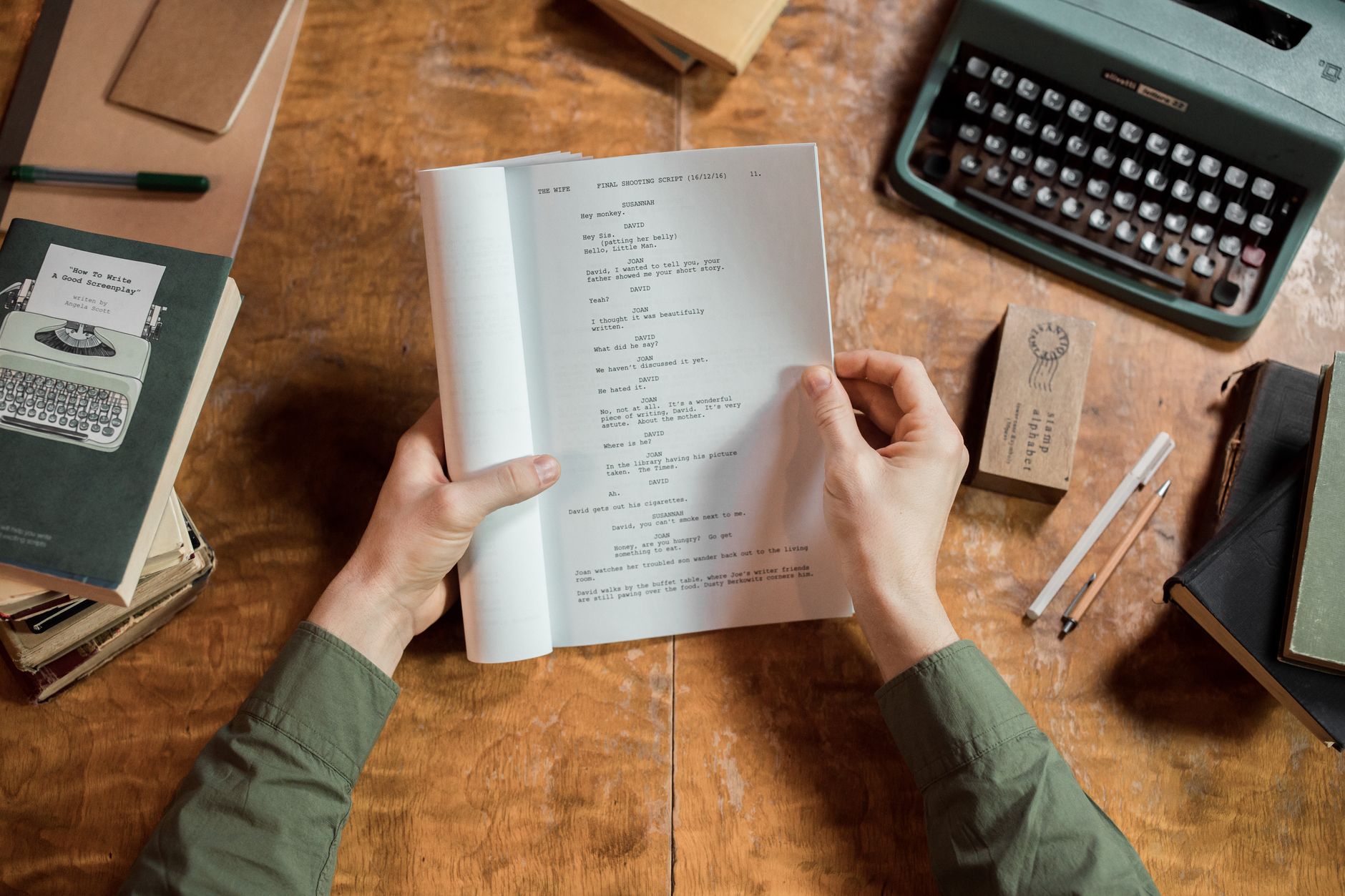
Write a Strong Hook
The opening seconds decide whether viewers stay, so your script must hook them immediately. Start with something compelling — a bold statement, a question, a problem, or a promise of value — that grabs attention before they click away.
A weak, slow intro loses viewers fast, especially online. Crafting a hook that instantly signals why the video is worth watching, as our video intro guide explores, is one of the most important parts of any script.

Structure Your Message
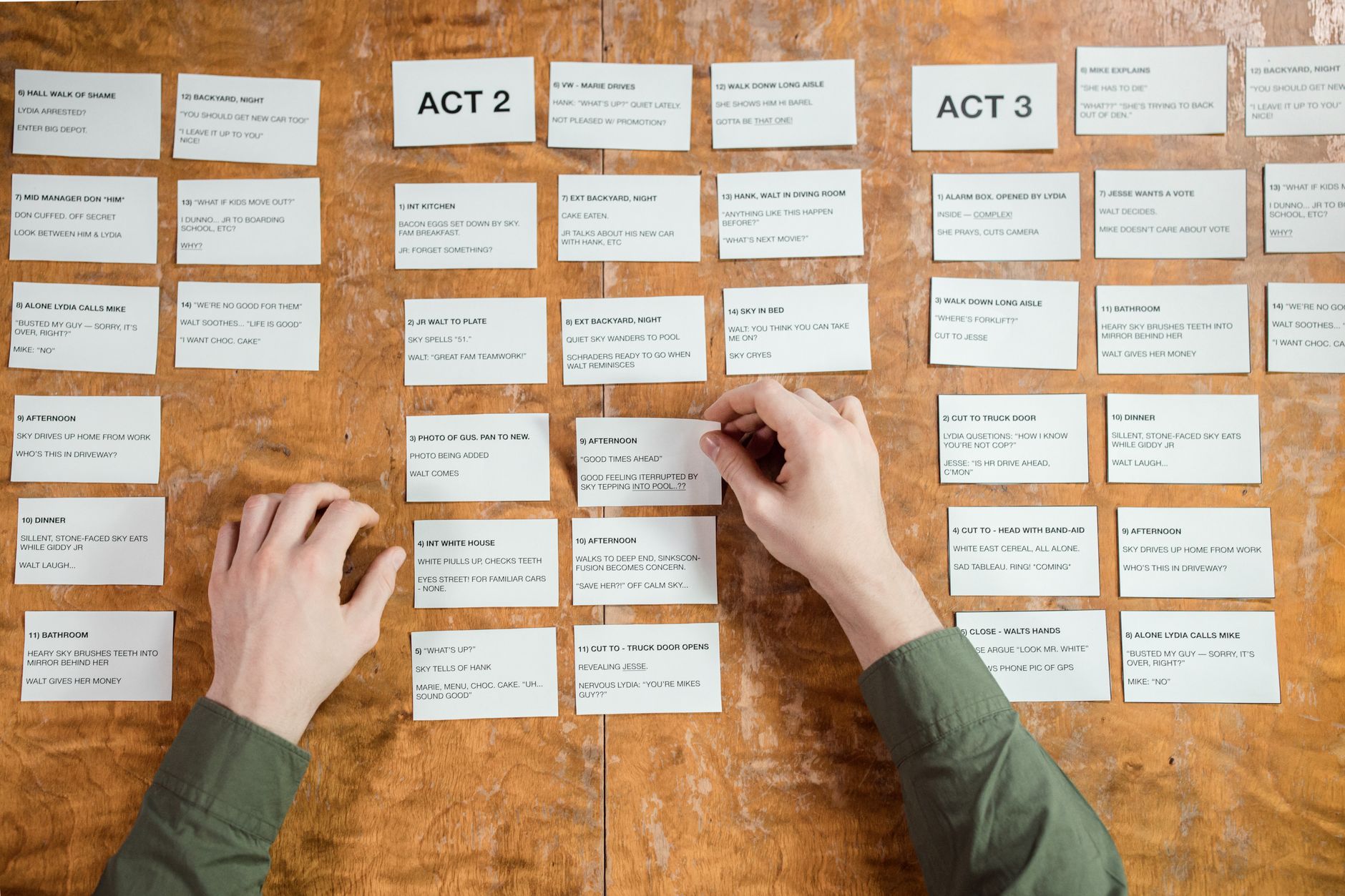
Organize your script with a clear structure — typically an introduction, a body that delivers the content in a logical order, and a conclusion with a call to action. This arc guides viewers through your message smoothly.
Within the body, order your points so each builds on the last, and use the structure to control pacing. A well-structured script keeps the video coherent and easy to follow, while a disorganized one loses the viewer.

Write for the Ear, Not the Eye
Scripts are heard, not read, so write conversationally. Use short sentences, simple words, and a natural spoken rhythm, and read your script aloud to catch anything that sounds stiff or tongue-twisting.
Writing as you’d actually speak makes narration sound natural and engaging, while formal, written-style language sounds robotic when read aloud. This is the single biggest difference between a script that performs well and one that sounds wooden.
Format the Script
Formatting helps you produce the video. A common approach uses two columns — one for the spoken words or narration, one for the corresponding visuals — so you plan picture and sound together, linking your script to your storyboard.
This audio-visual layout turns your script into a practical production blueprint. Seeing the words and visuals side by side ensures they support each other and gives you a clear plan to shoot and edit from.
Keep It Tight
Brevity respects your audience and improves engagement. Cut anything that doesn’t serve your message — tangents, repetition, filler — so every line earns its place and the video stays as concise as possible while still being complete.
Viewers reward tight, valuable content and abandon bloated, rambling videos. Editing your script ruthlessly before you ever film, removing whatever doesn’t add value, is what keeps the final video sharp and engaging.
Revise and Read Aloud
A first draft is rarely final. Revising your script — tightening language, improving flow, strengthening the hook and conclusion — and reading it aloud repeatedly reveals what works and what needs fixing before you commit to filming.
Reading aloud is especially important, since it exposes awkward phrasing and pacing issues invisible on the page. This revision process, much like editing footage, is where a decent script becomes a great one that delivers smoothly.
Video Script Best Practices
- Define your goal and audience before writing.
- Open with a strong hook that grabs attention.
- Structure with intro, body, and a call to action.
- Write conversationally and read it aloud to refine it.
Common Scripting Mistakes
- A slow, weak intro that loses viewers.
- Formal, written-style language that sounds robotic.
- A rambling structure with no clear arc.
- Bloated content that doesn’t respect the viewer’s time.
A Real Scripting Example
Picture scripting a two-minute explainer. You open with a punchy hook — naming the exact problem your viewer has — then lay out three clear points that build toward the solution, and close with a single call to action. You write it the way you’d say it aloud, in short, natural sentences, and format it beside notes on the visuals each line needs.
Reading it aloud, you catch a clunky phrase and a section that drags, so you tighten both. What started as a rambling idea becomes a focused, confident two-minute script that’s a pleasure to perform and quick to edit — the payoff of structuring and refining your words before a single frame is shot.
Scripting for Different Formats
Different video formats call for different scripting approaches. A tutorial benefits from a detailed, step-by-step script that keeps explanations precise, a vlog might use only a loose bullet outline to stay spontaneous, and an ad demands a tightly-crafted script where every second earns its place toward the call to action.
Matching your scripting style to the format keeps the video natural rather than over- or under-prepared. Thinking about how scripted each type should feel, and pairing your script with the planning in our storyboarding guide, ensures the words and the production approach fit the kind of video you’re making.
Use Your Script on Set and in the Edit
A script’s value doesn’t end when filming begins — it guides the whole production. On set, it keeps your delivery on track and ensures you capture every line and the visuals each one needs, while in the edit, it serves as a map for assembling the footage and spotting anything missing.
Keeping your script accessible through shooting and editing, alongside the planning in our storyboarding guide, turns it from a pre-production document into a working blueprint for the entire project. This continuity from script to screen is what keeps a video faithful to the focused, well-structured message you set out to make.
Key Takeaways
- A script is the blueprint for a focused, engaging video.
- Define your goal and audience, then hook viewers fast.
- Structure your message and write for the ear.
- Keep it tight and revise by reading aloud.
Frequently Asked Questions
How do I write a video script?
Define your goal and audience, open with a strong hook, structure your message with an intro, body, and call to action, write conversationally for the ear, format it with visuals alongside the words, and revise by reading it aloud.
Why should I write a script for my video?
A script clarifies and structures your message before filming, preventing rambling and missed points. It keeps the video focused and concise, makes delivery smoother, and speeds up editing since you know exactly what’s needed.
How do I make a script sound natural?
Write for the ear, not the eye — use short sentences, simple words, and a natural spoken rhythm, then read the script aloud to catch anything stiff or tongue-twisting. Write as you’d actually speak.
Sources: Wikipedia’s overview of screenwriting.
Script with purpose at Adobe Video World
Train hands-on with Adobe Certified Instructors across 100+ Premiere Pro & After Effects sessions.