A workflow taught by Adobe Certified Instructors at Adobe Video World.
B-roll is the supplementary footage that makes videos engaging — the shots cut over an interview, the establishing views, the details that bring a story to life. Without it, videos feel flat and static. This guide explains what B-roll is, how to shoot a useful variety, and how to edit it into your videos for a polished, professional result.
What B-Roll Is
B-roll is supplemental footage that supports your main footage, which is called A-roll — typically the interview, presenter, or primary action. B-roll is everything else: establishing shots, cutaways, details, and supporting visuals that illustrate the story.
If A-roll is someone talking about a bakery, B-roll is the bread, the ovens, and the busy counter. This supporting footage is what gives a video texture and interest, and it’s an essential ingredient in nearly every professional production.
Why B-Roll Matters
B-roll does several crucial jobs. It adds visual interest so viewers aren’t staring at one shot, it illustrates what’s being said, and it covers edits in your main footage, hiding cuts that would otherwise be jarring.
Without B-roll, an interview is just a talking head, and any cut in it shows as an awkward jump. With it, you can trim and rearrange freely while keeping the visuals engaging, which makes B-roll a backbone of polished editing.

Shoot a Variety of Shots
Good B-roll coverage means variety. Capture wide establishing shots to set a scene, medium shots of activity, and tight close-ups of details, so you have a range of options to cut between and build visual rhythm.
Shooting the same subject at different focal lengths and angles gives your edit flexibility. The more varied your B-roll, the more dynamic your final video can be, so gathering plenty of different shots on set pays off enormously in the edit.
Capture Details and Action
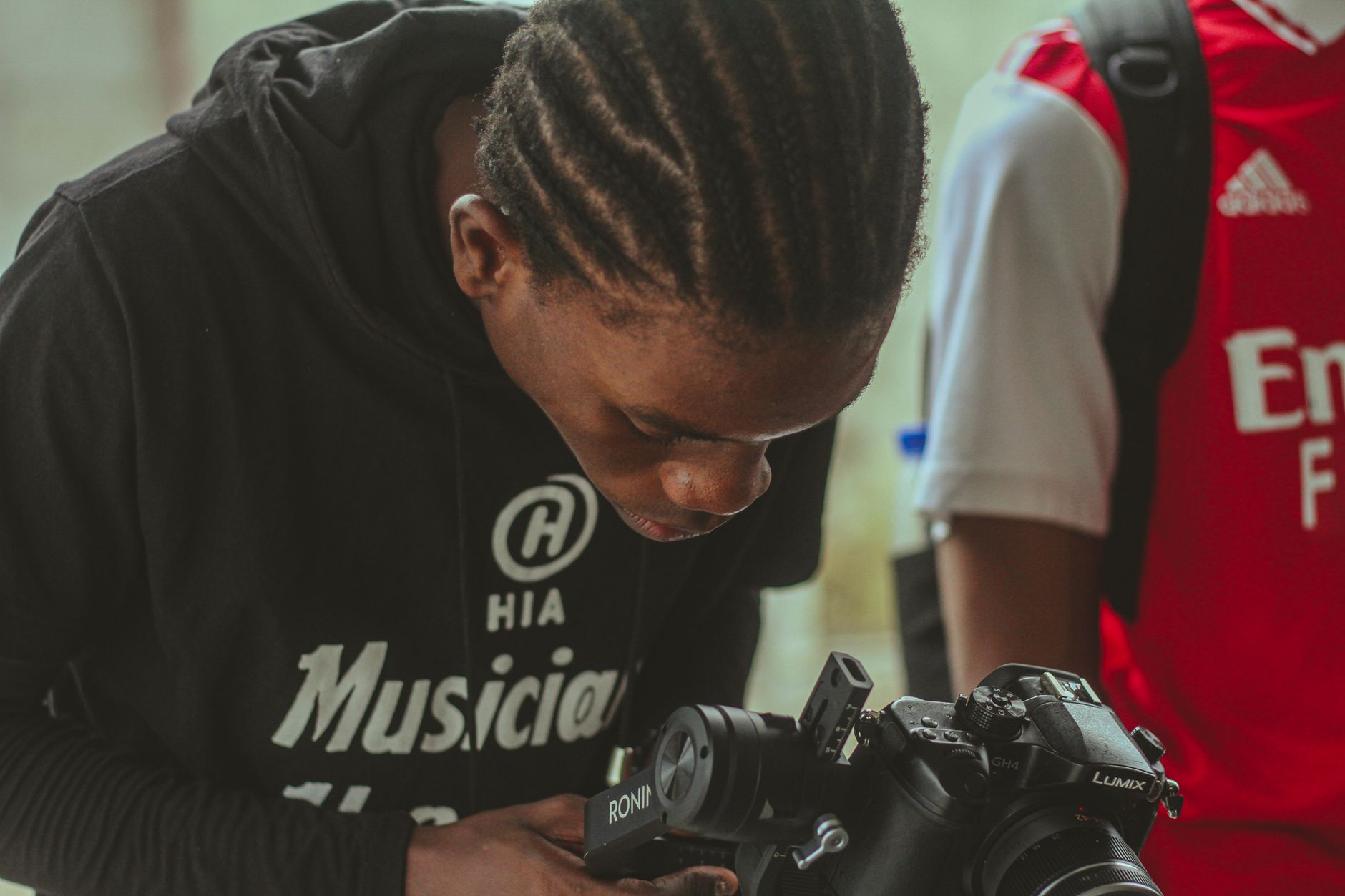
Detail shots and motion make the best B-roll. Close-ups of hands working, objects, textures, and small actions add intimacy and interest, while shots with movement — people, vehicles, activity — feel more alive than static scenes.
These details tell the story in a way wide shots can’t, drawing viewers into the world of your video. Looking for the small, telling moments and capturing them up close gives your edit rich, engaging material to work with.
Shoot More Than You Think You Need
A golden rule of B-roll is to over-shoot. It’s far better to have too much footage than to be missing the shot you need in the edit, so capture extra coverage of everything, even shots you’re not sure you’ll use.
B-roll is quick to gather on set but impossible to get later, so err on the side of more. Editors rarely complain about having too many options, while missing B-roll is one of the most common regrets when assembling a cut.
Hold Each Shot Long Enough
When shooting B-roll, hold each shot steady for several seconds — longer than you think. Short clips are hard to use because you need room to trim and to let a shot breathe in the edit, so a generous hold gives you flexibility.
Aim for at least five to ten seconds per shot, keeping the camera stable or with deliberate, smooth movement. These longer, steadier takes are far more usable than quick, shaky snippets when you sit down to cut.
Edit B-Roll Over Your A-Roll
In editing, B-roll typically lays over your main audio. Keep the interview or narration playing underneath while cutting to relevant B-roll on the video track above, illustrating the words and hiding any cuts in the A-roll beneath.
This is the core B-roll editing technique — the audio continues while the visuals change. Timing each B-roll shot to match what’s being said, and using the trimming techniques to place them precisely, is what makes an edit feel polished.
Use B-Roll to Cover Cuts
B-roll’s most practical job is hiding edits. When you cut a sentence or rearrange answers in an interview, the join creates a jump cut, but laying B-roll over that moment covers it completely, so the edit becomes invisible.
This lets you shape your A-roll freely without distracting jumps. Strategically placing B-roll over every cut point, alongside the audio fades from our audio guide, is how editors make heavily-cut interviews look seamless.
B-Roll Best Practices
- Shoot a variety of wide, medium, and close-up shots.
- Capture details and movement, and over-shoot coverage.
- Hold each shot steady for at least five to ten seconds.
- Lay B-roll over your A-roll audio to illustrate and cover cuts.
Common B-Roll Mistakes
- Not shooting enough, leaving gaps in the edit.
- Clips too short or shaky to use.
- B-roll that doesn’t relate to what’s being said.
- Leaving interview cuts exposed instead of covering them.
A Real B-Roll Edit Example
Picture cutting a three-minute interview with a chef. The chef’s audio runs underneath the whole piece, but instead of watching them talk for three minutes, you cut to B-roll the moment they mention each dish — hands kneading dough, a knife slicing herbs, a plate coming together. Every cut in the interview is hidden beneath a relevant shot.
The talking-head footage appears only briefly, and the rest is a rich visual story illustrating the words. That seamless blend of continuous audio and ever-changing, on-topic visuals is the essence of professional B-roll editing, and it’s what makes an interview feel like a film rather than a recording.
Build a B-Roll Shot List
The best B-roll isn’t gathered randomly — it’s planned. Before a shoot, thinking through what your A-roll will cover and listing the supporting shots you’ll need ensures you come away with footage that actually illustrates the story, rather than discovering gaps in the edit.
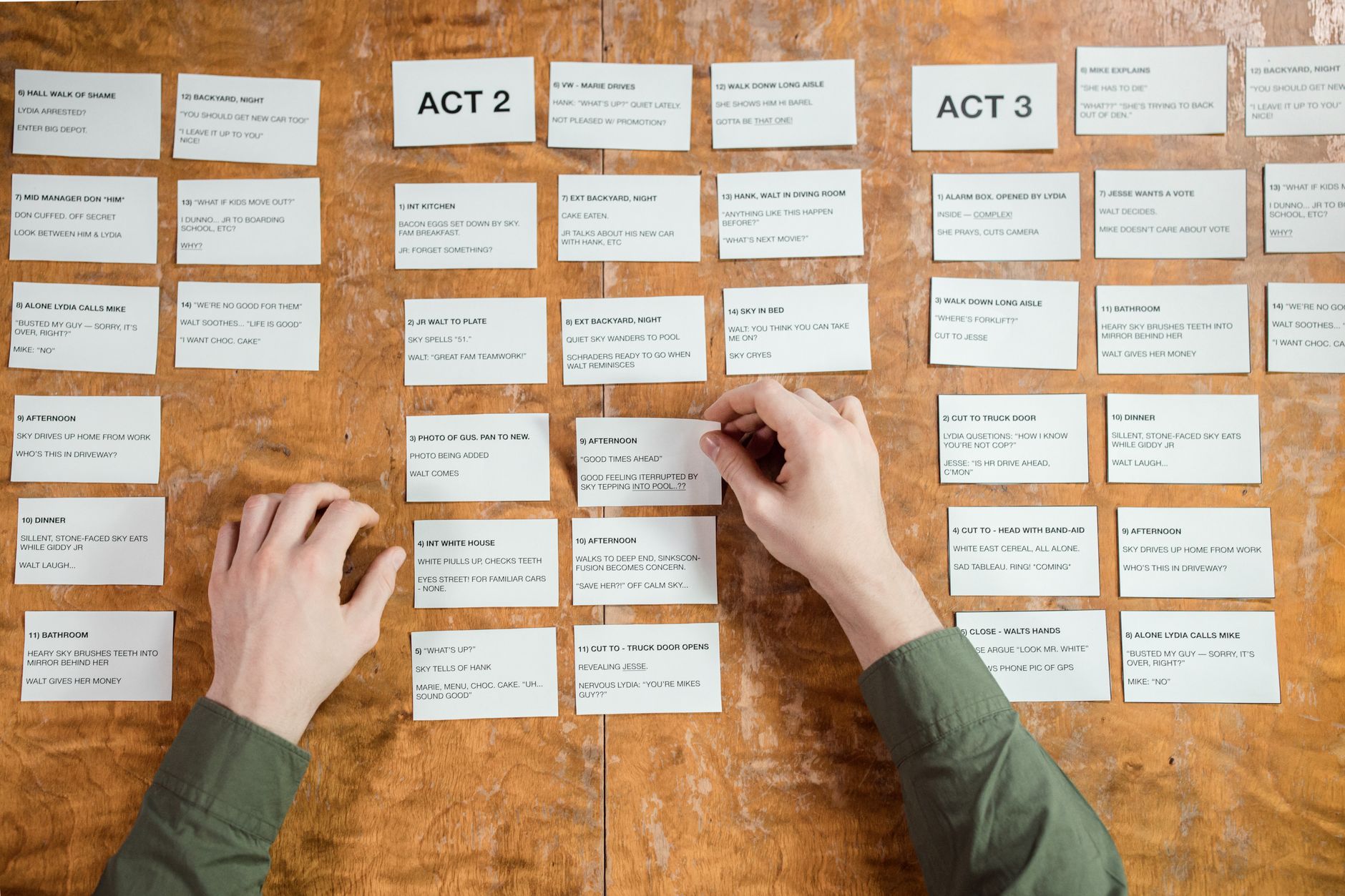
A simple shot list — establishing views, key actions, telling details — keeps you efficient on set and confident you have coverage. Pairing that planning with the storyboarding habits that guide any production turns B-roll from an afterthought into a deliberate part of telling your video’s story.
Key Takeaways
- B-roll is supporting footage that adds interest and covers cuts.
- Shoot varied shots, capture details, and over-shoot.
- Hold each shot steady for several seconds.
- Lay B-roll over A-roll audio to illustrate and hide edits.
Frequently Asked Questions
What is B-roll?
B-roll is supplementary footage that supports your main footage (A-roll, like an interview or presenter). It includes establishing shots, cutaways, and detail shots that add visual interest, illustrate the story, and cover edits.
How much B-roll should I shoot?
Over-shoot — it’s far better to have too much than to be missing a shot in the edit. Capture a variety of wide, medium, and close-up shots, and hold each one steady for at least five to ten seconds.
How do I use B-roll in editing?
Lay B-roll on the video track over your main audio, so the interview or narration keeps playing while the visuals change. This illustrates what’s being said and covers cuts in your A-roll, making edits invisible.
Sources: Wikipedia’s article on B-roll.
Elevate your edits at Adobe Video World
Train hands-on with Adobe Certified Instructors across 100+ Premiere Pro & After Effects sessions.