A workflow taught by Adobe Certified Instructors at Adobe Video World.
The typewriter effect reveals text one character at a time, as if it’s being typed live on screen. It’s a classic, attention-grabbing way to introduce titles, quotes, and code-style text, and After Effects builds it elegantly with text animators. This guide covers the easiest method, adding a blinking cursor, and selling the effect with sound.

What the Typewriter Effect Is
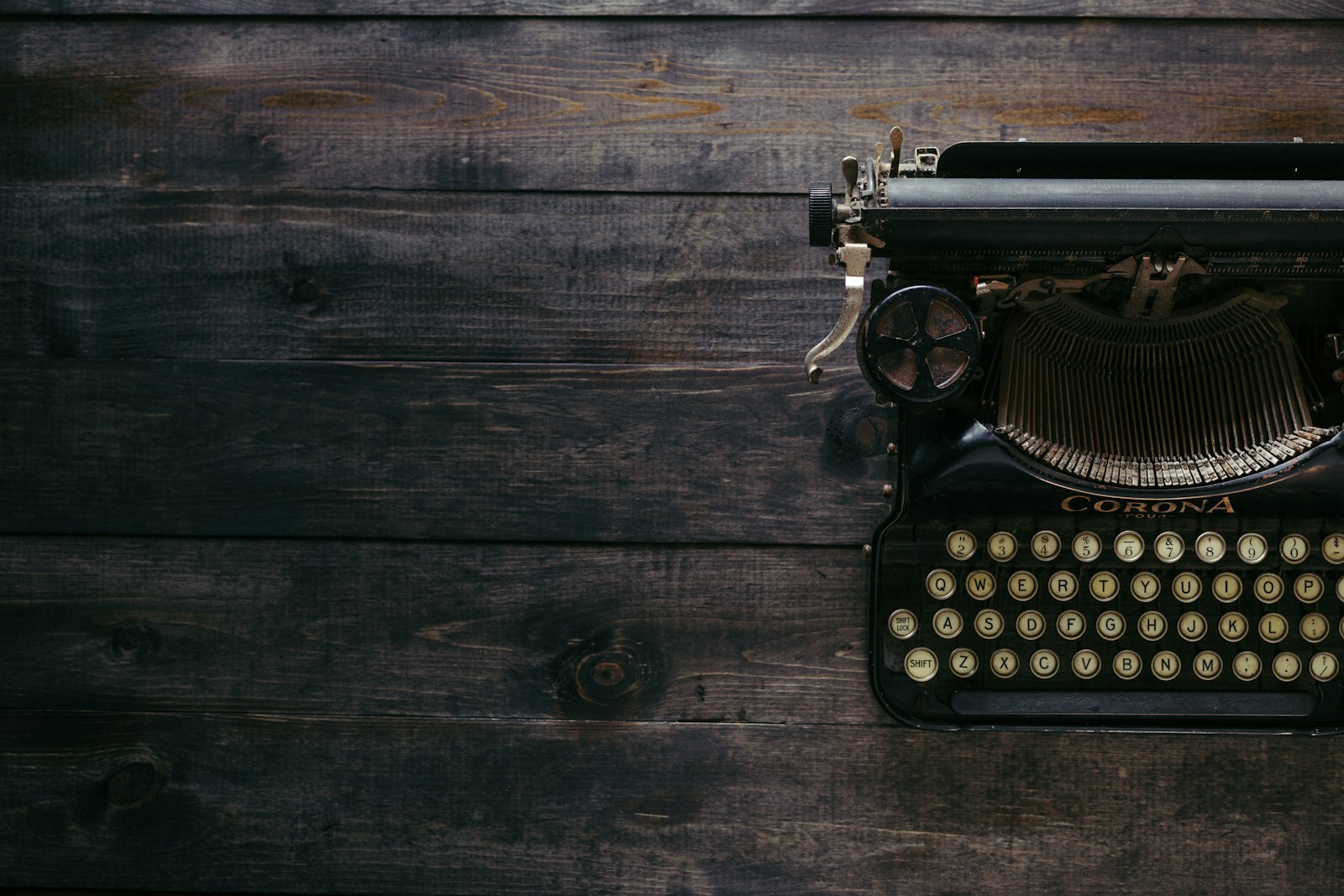
The typewriter effect makes text appear character by character, mimicking the rhythm of typing. Each letter pops in sequence until the full line is revealed, drawing the eye and building anticipation in a way that instantly appearing text never does.
It suits titles, on-screen quotes, terminal and hacker styles, and any moment where you want the audience to read along as the words form. Done well, it feels deliberate and polished, and After Effects makes it surprisingly simple to create.
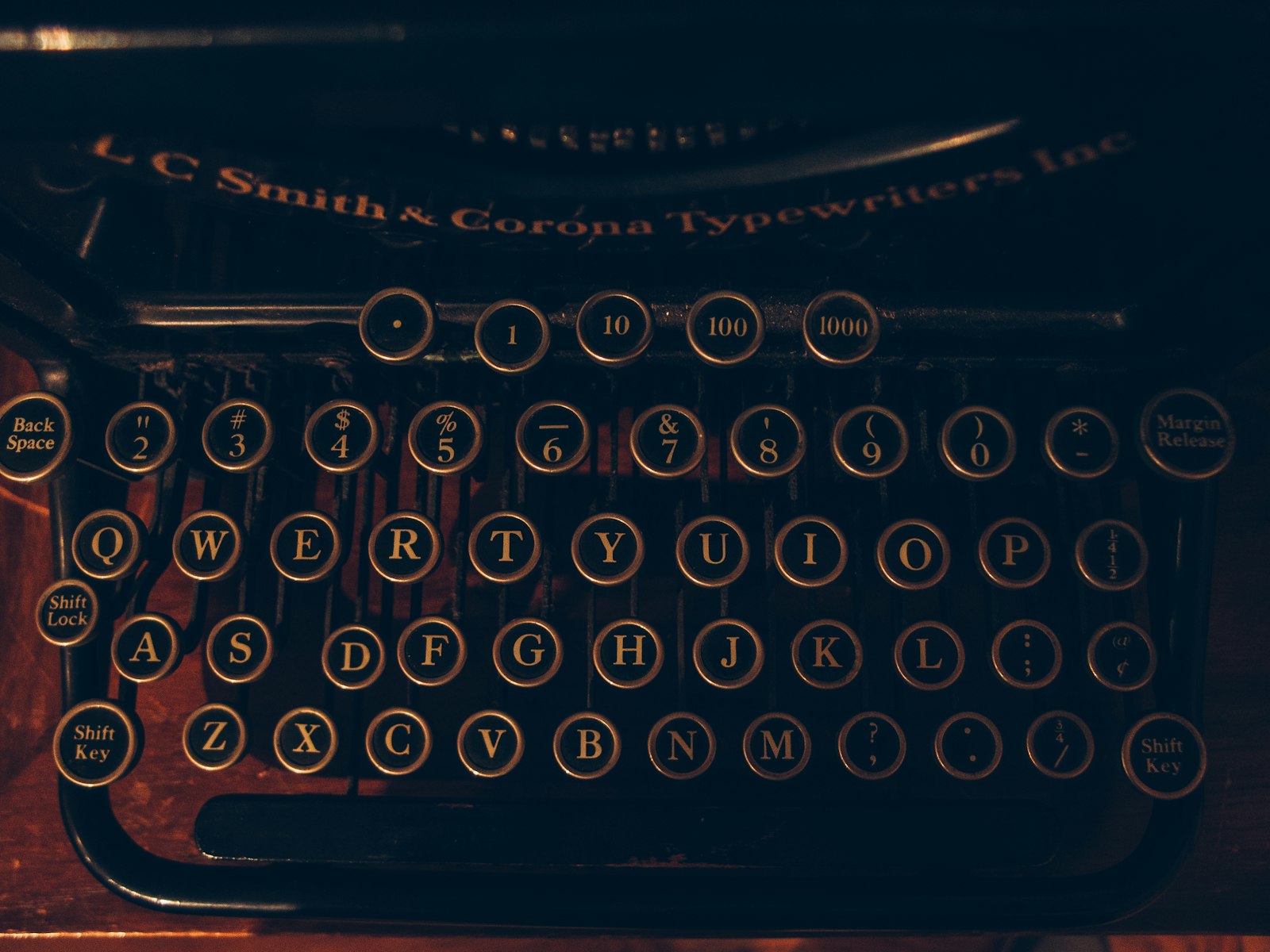
Use the Type On Preset
The fastest route is a built-in preset. Open the Effects & Presets panel, search for Type On, and drag the Typewriter animation preset onto your text layer, and After Effects sets up the character-by-character reveal automatically.
This preset does the heavy lifting, giving you an instant typewriter with sensible defaults. It’s the quickest way to get the effect on screen, and from there you can adjust the timing to suit your project.
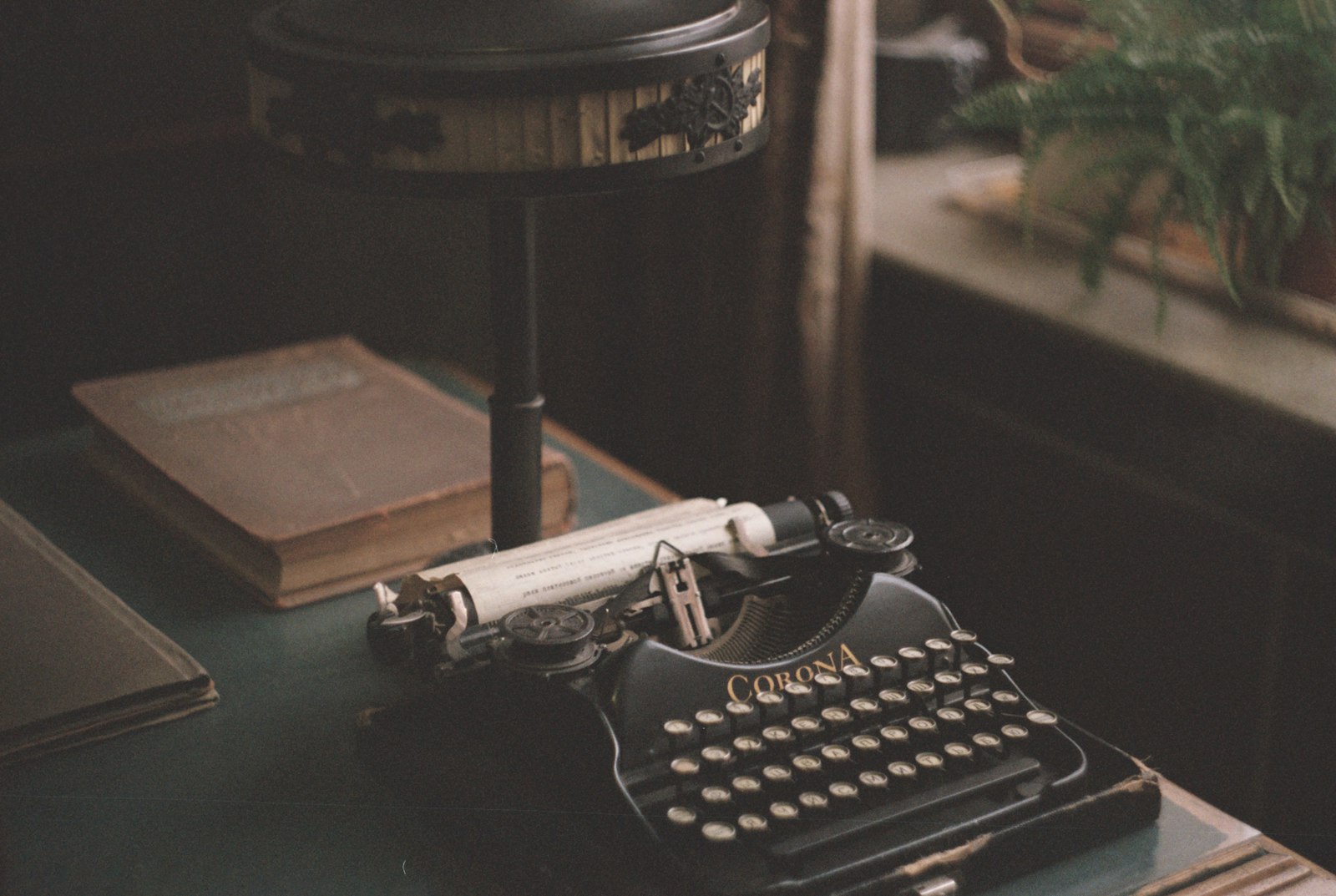
Build It Manually with a Text Animator
For full control, build the effect with a text animator. Add an Opacity animator to your text layer, set its value to 0 so the text starts invisible, then animate the Range Selector’s Start value from 0 to 100% across your chosen duration.
As the range selector sweeps across the text, each character’s opacity flips on in turn, typing the line into existence. Building it yourself this way, rather than relying on the preset, teaches you the text animator system that powers countless other effects.
Control the Typing Speed
The speed of the typing is set by how quickly the Range Selector animates from start to finish. Spread the keyframes over more time for slow, deliberate typing, or compress them for a fast, energetic reveal.
For realism, real typing isn’t perfectly even, so you can vary the rhythm slightly or use the Range Selector’s smoothness settings. Matching the typing speed to your video’s pace keeps the effect feeling natural rather than mechanical.

Add a Blinking Cursor
A blinking cursor sells the typewriter illusion. Add a cursor character — a vertical bar or underscore — that follows the end of the typed text, and animate its opacity to blink on and off at a steady rhythm.
You can drive the blink with a simple expression so it pulses automatically, using the techniques from our expressions guide. A cursor that blinks during and after typing makes the text feel genuinely live, like it’s being entered in real time.
Add a Typing Sound
Sound completes the effect. Layer a keyboard or typewriter clicking sound synced to the appearance of each character, and the reveal suddenly feels tactile and convincing, engaging the ear as well as the eye.
Sync the clicks to the typing rhythm so picture and sound match, following our audio guide. The right sound effect transforms a visual trick into an immersive moment, which is why professional typewriter effects almost always include it.
Style the Text to Fit
The font and color shape the effect’s character. A monospaced font reads as code or terminal text, a clean sans-serif feels modern, and a classic serif evokes an actual typewriter, so choose type that matches the mood you want.
Add subtle touches like a slight color or a background bar to reinforce the style, drawing on our motion graphics guide. The animation and the typography together create the finished look, so design both with intention.
Reveal Multiple Lines
For longer text, you’ll often type several lines in sequence. Stagger the animation so one line finishes before the next begins, or type a whole paragraph continuously, depending on the pacing you want.
Breaking text across separate layers gives you precise control over when each line starts, useful for dialogue or step-by-step reveals. Planning the timing of multiple lines keeps a longer typewriter sequence readable and well-paced.
Typewriter Effect Best Practices
- Use the Type On preset for speed, or a text animator for control.
- Set typing speed via the Range Selector keyframe spacing.
- Add a blinking cursor to sell the live-typing illusion.
- Sync a keyboard sound to the character reveal.
Common Typewriter Mistakes
- Typing so fast the effect is lost on the viewer.
- Omitting the cursor, which weakens the illusion.
- No sound, leaving the effect feeling flat.
- A font that clashes with the intended style.
A Real Typewriter Title Example
Imagine opening a documentary with a location card that types itself out — ‘Berlin, 1989’ appearing letter by letter in a clean monospaced font, a cursor blinking at the end. Each character is paired with a soft keystroke sound, and after the line finishes the cursor blinks twice before the scene fades in.
That simple sequence feels deliberate and cinematic, and it’s built from a single text animator, a cursor, and a synced sound effect. The same recipe scales to code reveals, chat-style messages, and quote cards, which is why the typewriter remains one of the most reusable text effects in motion design.
Animate Typewriter Text Off Screen
A typewriter effect doesn’t have to only type on — it can delete too. By reversing the Range Selector animation, you make the text disappear character by character, as if it’s being backspaced, which is perfect for swapping one line for another in sequence.
This typing-and-deleting cycle is the basis of the popular ‘rotating words’ effect, where a phrase like ‘Edit. Create. Inspire.’ types and erases each word in turn. Built with the same text animator controls, it adds a dynamic, looping energy that a static reveal can’t match, and it pairs naturally with expressions for automation.
Key Takeaways
- The typewriter effect reveals text character by character.
- Use the Type On preset or build it with a text animator.
- A blinking cursor and typing sound complete the illusion.
- Match font and speed to your video’s mood and pace.
Frequently Asked Questions
How do I create a typewriter effect in After Effects?
The fastest way is the Type On preset — search ‘Type On’ in Effects & Presets and drag it onto your text layer. For full control, build it with an Opacity text animator and animate the Range Selector’s Start value from 0 to 100%.
How do I add a blinking cursor?
Add a vertical bar or underscore character at the end of your text and animate its opacity to blink on and off, or drive the blink with a simple expression so it pulses automatically as the text types.
How do I control the typing speed?
The speed depends on how quickly the Range Selector animates from start to finish. Spread the keyframes over more time for slow typing, or compress them for a fast reveal that matches your video’s pace.
Sources: Wikipedia’s history of the typewriter.
Animate text like a pro at Adobe Video World
Train hands-on with Adobe Certified Instructors across 100+ Premiere Pro & After Effects sessions.